
Large manufacturers reveal strategies to launch more efficient and cheaper electric vehicles on the market

The global automotive industry is preparing a series of strategic launches aimed at consolidating electric mobility in the coming years, with a special focus on diversifying segments and increasing energy efficiency. Marcas leaders such as Audi, BMW and Kia are adjusting their portfolios to offer everything from affordable compact models to luxury vehicles with ranges that exceed current standards. The move includes the introduction of new dedicated platforms and battery technologies that promise to reduce costs and extend the range of vehicles.
The development of modular architectures allows automakers to optimize production by sharing essential components between different models and brands within the same group. Essa industrial approach aims not only to lower the final price for the consumer, but also to accelerate the technological innovation cycle, allowing for more frequent software and hardware updates.
New bets in the compact segment
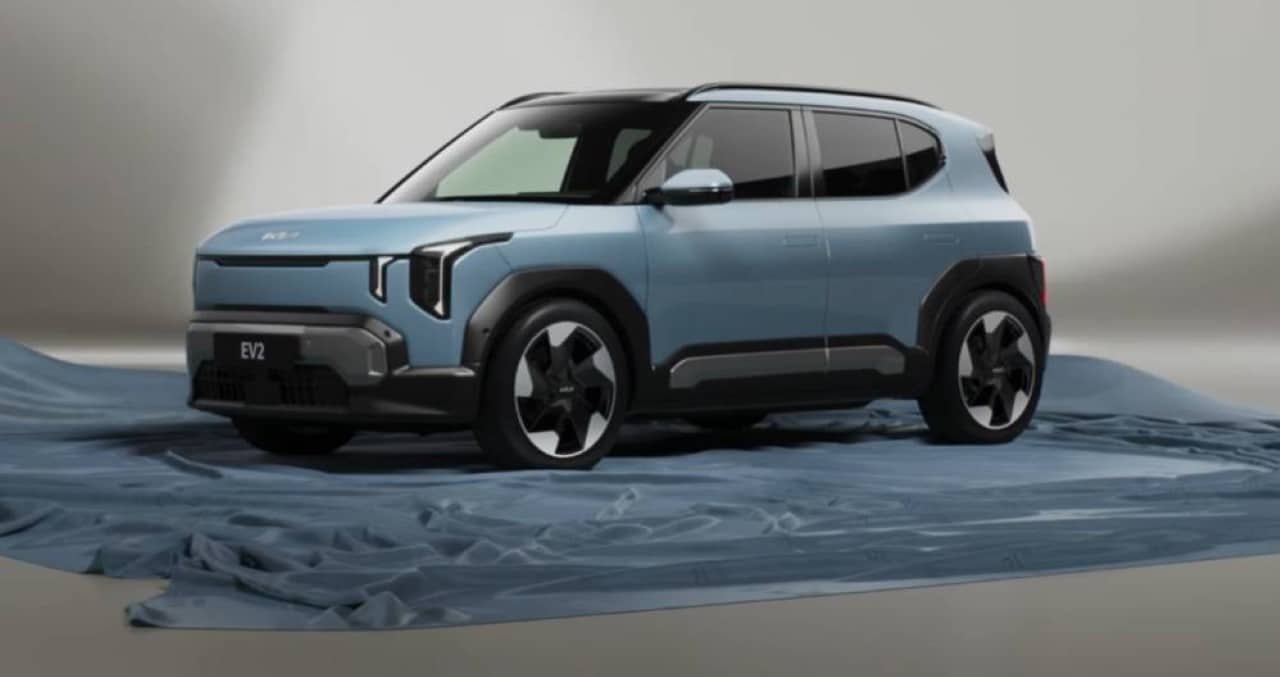
Kia plans to strengthen its presence in the entry-level market with the launch of the EV2, a compact SUV designed specifically for urban use and expected to debut soon. The model, just over four meters long, will be offered with two battery options, aiming to serve both those who need a vehicle for short trips and users who demand greater autonomy for travel. The entry-level version will feature a 42.2 kWh battery, while the long-range option will use a 62 kWh pack, capable of traveling around 448 kilometers on a single charge.
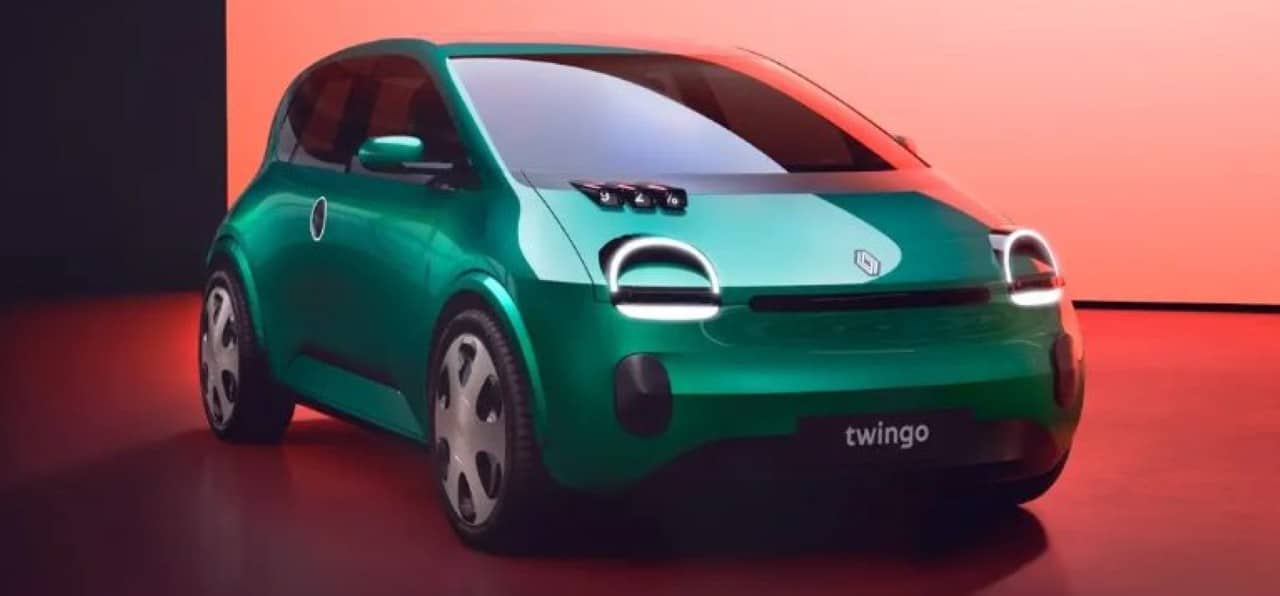
At the same time, Renault is betting on nostalgia combined with modernity with the return of the Twingo, now fully electric and with a target price below 20 thousand euros for the European market. The project prioritizes efficiency, using a compact 27.5 kWh lithium iron phosphate (LFP) battery, sufficient for a range of 263 kilometers, ideal for the urban cycle. The retro-futuristic design seeks to attract a young audience, while the engineering focuses on reducing energy consumption, achieving impressive efficiency marks per kilometer driven.
Evolution of German premium brands
BMW is redefining its mid-range line with the introduction of the new generation of the i3, based on the Neue Klasse architecture, which promises to revolutionize the brand’s performance standards. The sedan model will maintain the automaker’s characteristic driving dynamics, but will integrate an 800-volt electrical system for ultra-fast recharging and high-power engines. Preliminary specifications indicate versions with all-wheel drive that can exceed 800 kilometers of autonomy, establishing a new benchmark for the executive sedan segment.
The Audi, in turn, plans to revive the A2 name as an entry-level electric vehicle, positioned below the Q2, using the Grupo Volkswagen’s MEB+ platform. The model is expected to hit the market between 2026 and 2027, offering a combination of compact dimensions and optimized internal space, typical of dedicated electric vehicles. With a battery estimated at 63 kWh, the new A2 should deliver a range of more than 400 kilometers, in addition to having sports versions and quattro all-wheel drive.

Mercedes-Benz is also preparing its response with the electric version of the Classe C, built on the MB.EA platform, which prioritizes aerodynamic efficiency and technological luxury. The model should offer engine options ranging from 340 to 490 horsepower, maintaining the focus on comfort and sophistication that define the class, now with zero emissions propulsion.
Icon transformation and portfolio expansion
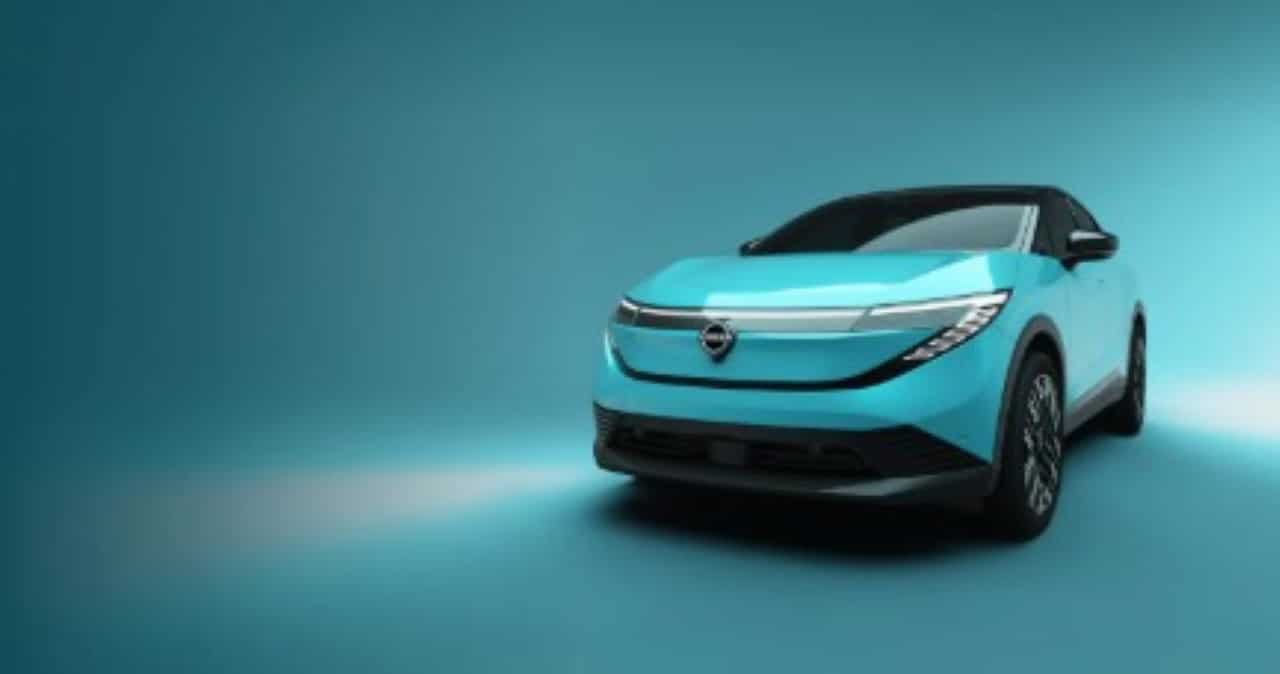
The Nissan and Toyota are adapting well-known models for the new era, with the Nissan Leaf evolving into a coupe SUV format, abandoning the traditional hatch style. Essa change aims to align the model with current consumer preferences, offering larger batteries that can provide up to 622 kilometers of range. Já to Toyota expands the C-HR family with a larger and more robust electric version, which uses the same battery base as the bZ4X to ensure competitiveness in the medium crossover segment.
2026年末には、MEBプラットフォームをベースとし、Cups e-tron#アウディ #A2etron #BEV #ムービダドエレクトリックカ pic.twitter.com/1b3z4nK2eX
— アントニオ・グスマン・ロペス (@AGuzmanLo)2026 年 2 月 11 日
The Grupo Volkswagen focuses its efforts on the production of compacts at the Espanha, where models such as the Cupra Raval and the Volkswagen ID.Polo will be manufactured. The platform sharing strategy allows brands like Skoda to also launch compact SUVs at reduced costs, democratizing access to electric technology at Europa.
Main technological trends in the sector
The innovations presented by manufacturers indicate a clear path for the future of mobility, focused on resolving the main barriers to the adoption of electric cars. The industry converges on solutions that balance cost, performance and convenience for the end user.
BMW i3 2026: 公式発表会に出席したところ、新しい BMW 3シリーズの電気モデルがすでに発売されていると聞きました!
おいしいサヴォアを注いでください 👉https://t.co/SRxRVlMC3d
📸 クレジット写真…pic.twitter.com/Le5dYBrKWm
— モンディアル ドゥ オート – パリ (@mondialdelauto)2026 年 2 月 11 日
- Massive adoption of 800-volt architectures to enable significantly shorter recharge times at high-power stations.
- Use of LFP batteries in entry-level models to reduce the final cost of the vehicle without compromising durability.
- Development of dedicated platforms that maximize internal space and aerodynamic efficiency.
- Deep software integration for energy management and driver assistance systems.
- Regionalized production strategies to optimize logistics and reduce the carbon footprint of manufacturing.




