
Mourning in Chaco: Sandra Mendoza, former Peronist federal deputy, dies at age 62 By Carolina Costa
6 min read
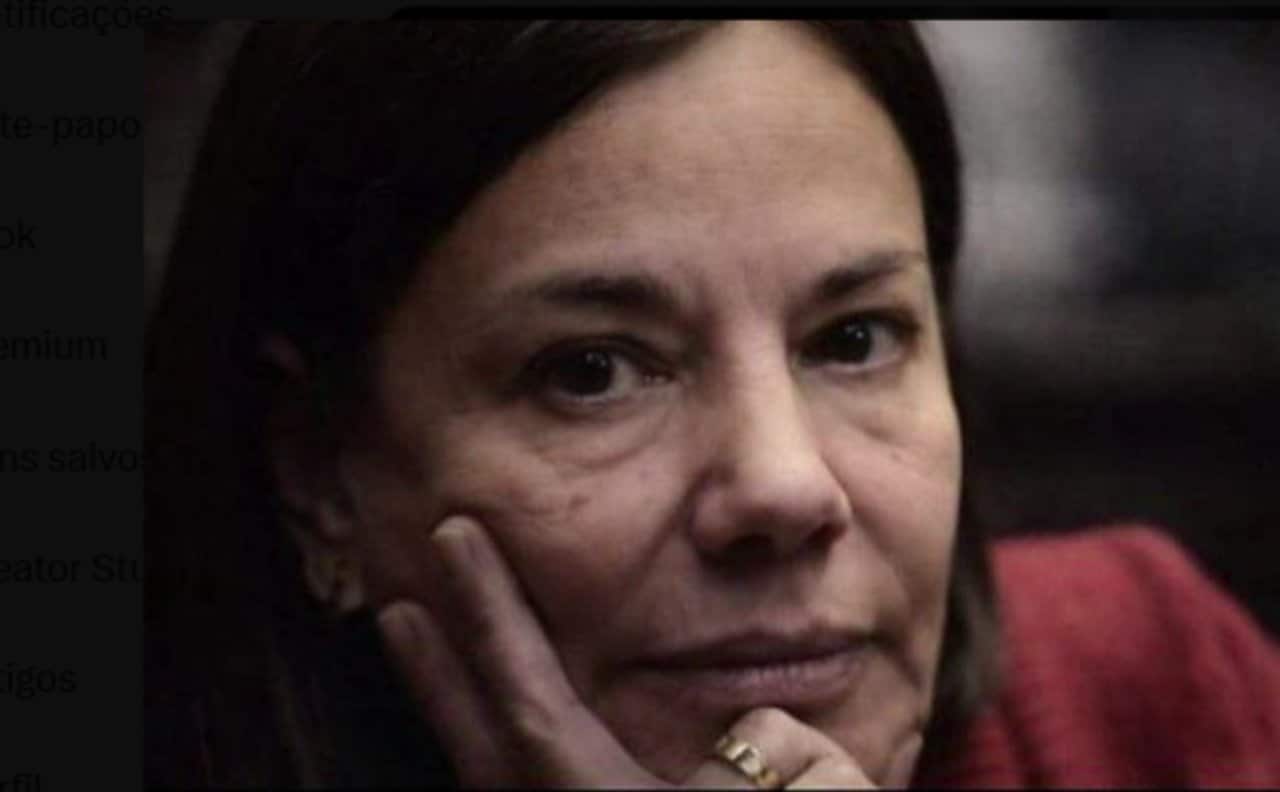 |
The Argentine political scene and, in particular, the province of Chaco, dawned in mourning this Wednesday with the news of the death of former federal deputy Sandra Mendoza. Aos 62 years old, the prominent figure of Peronism left a vast legacy, marking his performance both in the provincial parliament and in the Congresso Nacional.
The loss of the former congresswoman generated immediate repercussions. Durante a session of Senado, which debated a labor reform project, a minute of silence was observed in her honor, a gesture requested by senator Juliana Di Tullio and promptly welcomed by all party blocs.
Former president Cristina Fernández of Kirchner also expressed her regret. “Goodbye, dear Sandra, great comrade and activist of Peronism. Guerreira of life… may you rest in peace.
The former deputy had been facing a series of health complications since October last year, when her diagnosis of diabetes was worsened by the consequences of a domestic accident. Esses problems, which severely impacted his mobility, were a persistent challenge in the last months of his life.
Dear companion, ..my deepest condolences to your family and friends
—Rochi (@Rochipereira7)February 11, 2026
High speed Sandra Q.E.P.D. ❤🙏🇦🇷✌pic.twitter.com/hL7HHVrHR3
Political legacy and trajectory in Chaco
Born on April 20, 1963, Sandra Mendoza dedicated a large part of her life to public service and political activism. Sua journey began at university, where he graduated from Cinesiologia to Universidade Nacional from Nordeste. Foi It was in this academic environment that she took the first steps in her activism, a formative period that shaped her vision and commitment to social causes.
Her foray into formal politics began in 2005, when she was elected provincial deputy in Chaco. Essa’s first legislative experience lasted three years, a period in which Mendoza stood out for its incisive performance and for addressing issues relevant to the local population, consolidating its electoral base and prestige in the province.
In 2008, Sandra Mendoza left her position as provincial deputy to take on a new role in the cabinet of Jorge Capitanich, her ex-husband and then governor of Chaco. Ela was appointed Ministra of the province’s Saúde Pública, a position of great responsibility where she was able to apply her training and experience towards the well-being of citizens.
His work leading Ministério da Saúde paved the way for a new leap in his political career. In 2009, she was elected Deputada Nacional by Frente for Vitória, representing Chaco in the Argentine Congresso. Sua performance in Buenos Aires was recognized, resulting in his re-election in 2013, which demonstrated the strength of his mandate and his connection with the electorate.
Activism and strong connection with Peronism
Sandra Mendoza’s connection with Peronism was not just partisan, but a deep conviction that shaped his political and social identity. Desde the times of university activism, she embraced the Justicialist ideals of social justice, political sovereignty and economic independence, defending them with passion on all her fronts.
It was in this context of militancy and engagement that she met Jorge Capitanich, a central figure of Peronism in Chaco and who would become her companion and father of her two daughters. Essa family and political union reinforced her role within the movement, transforming her into a reference for many activists and voters.
Mendoza stood out as a “warrior of life”, in the words of Cristina Kirchner, for her tireless dedication to popular causes and the defense of the most vulnerable. Seu Peronism was lived in practice, in the search for public policies that guaranteed rights and improved the population’s quality of life, especially in a province with major social challenges like Chaco.
The importance of Peronism in Chaco is undeniable, being the main political force in the region for decades. Sandra Mendoza was one of the architects and maintainers of this hegemony, working to ensure that the principles of the movement were translated into concrete actions of government and popular representation, ensuring the continuity of a political project aligned with society’s desires.
Public health under your management
Sandra Mendoza’s passage through the portfolio of Saúde Pública and Chaco was a challenging period of great commitment. Assumindo the ministry in 2008, it inherited a structure with significant deficiencies and the urgent demand for improvements in access and quality of health services for a diverse and often needy population. Durante During his administration, Mendoza implemented programs to strengthen primary care, sought to expand vaccination coverage and worked to decentralize some services, aiming to bring medical care closer to the most distant communities. Enfrentou the complexity of a system that required constant investment and coordination between different levels of government, always with the goal of ensuring that health was an accessible right for all inhabitants of the province. Seu commitment to the area was an extension of his social activism, seeing health not just as a technical issue, but as a fundamental pillar for human dignity and social development.
Memory and posthumous recognition
The tributes to Sandra Mendoza at Senado reflected the respect and admiration she earned throughout her political career. The minute of silence, requested and accepted by all senators, transcended party differences, uniting parliament in a gesture of recognition for their dedication and public service.
Former president Cristina Kirchner’s message was not just a note of condolence, but a testament to the political and personal closeness that existed between the two leaders. CFK’s words highlighted the figure of Mendoza as a “great comrade and activist”, highlighting her role as a warrior dedicated to the Peronist cause and the fight for life.
Partido Justicialista from Chaco also spoke out with a moving message on his social media. In its statement, the party declared with deep sadness its goodbye to the former deputy, emphasizing the “indelible mark” she left on the political and social life of the province, an official recognition of her historical importance.
The note from PJ The party extended its support to the family, including Jorge Capitanich and his daughters Guillermina and Jorgelina, and reiterated that his memory “will remain alive in the collective memory and political history of Chaco”, underlining gratitude for his contribution to public service.
Repercussion among colleagues and on the political scene
In addition to the official demonstrations and that of the former president, the news of Sandra Mendoza’s death generated a wave of grief and solidarity among various political and social leaders across Argentina, especially in his home province, Chaco. Inúmeros bench colleagues, both from the government and the opposition, recognized his capacity for dialogue and his passion for constructive debates.
The loss of the former deputy represents a significant void in the regional political scene. Mendoza was an experienced and active voice, whose absence will be felt in the articulation of social agendas and in the defense of the principles that guided his career. Sua active militancy and its capacity for mobilization were attributes that made it a fundamental piece on the political board of Chaco.
Sua political dimension, however, transcended the borders of Chaco. Como national deputy for two consecutive terms, she participated in crucial debates for the country, presenting projects and defending positions that impacted the lives of Argentines. Her trajectory in the Congresso Nacional consolidated her as a relevant figure throughout the national territory, contributing to strengthening the representation of her province.
Personal life and academic background
Before diving into public life for good, Sandra Mendoza dedicated himself to academic studies. Sua training at Cinesiologia at Universidade Nacional at
It was during this period of training and activism that she met Jorge Capitanich, with whom she would build a family. Do marriage gave birth to his two daughters, Guillermina and Jorgelina, who were an integral part of his life and legacy. Sandra Mendoza managed to reconcile his intense political career with the challenges and joys of family life, always seeking a balance between his public and personal responsibilities.











