Square Enix ends exclusivity and confirms simultaneous release of Final Fantasy VII Part 3

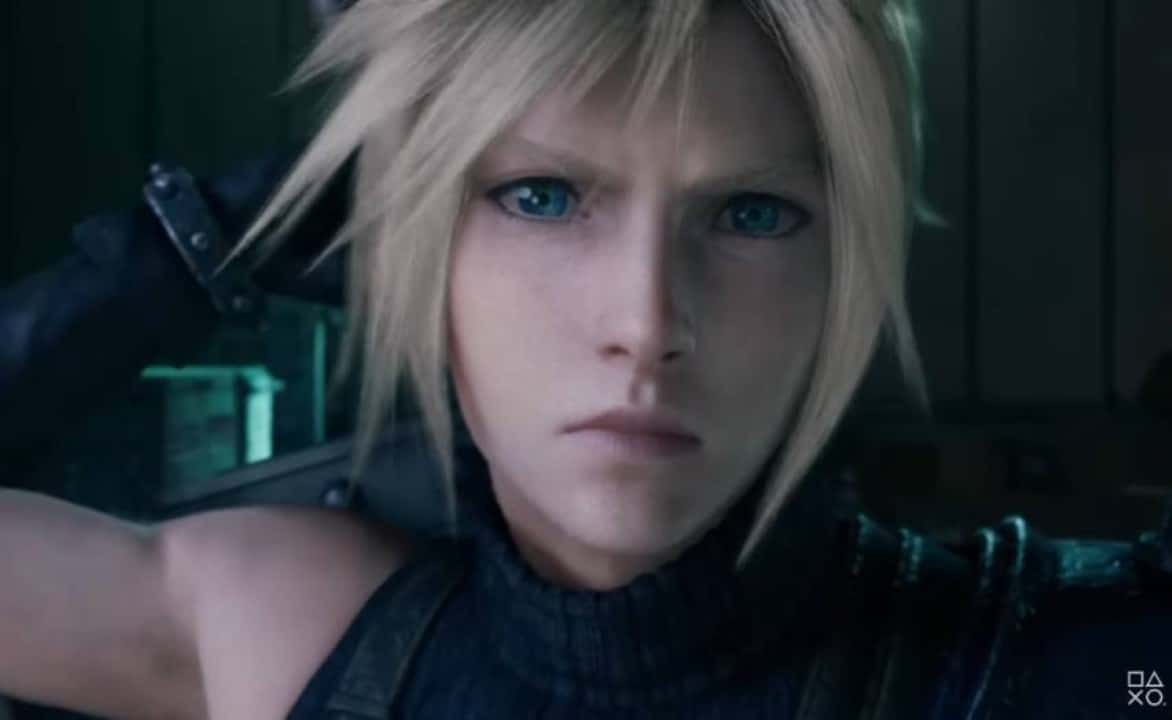
Square Enix has officially made a drastic and historic change in its distribution strategy to conclude the trilogy of the company’s most ambitious remake project. The third and final part of Final Fantasy VII Remake will not follow the temporary exclusivity model that marked the first two chapters of the saga. The Japanese developer confirmed that the title will be available simultaneously for PlayStation 5, Xbox Series X|S and PC, eliminating the agonizing wait that players on other platforms have faced in previous years.
This decision marks an inflection point in the management of the company’s large franchises, in line with the new “aggressive multiplatform” guideline recently announced by the board. The central objective is to maximize global reach and sales potential from day one, allowing the combined hardware installed base of all next-gen consoles and computers to have immediate access to the outcome of the journey of Cloud Strife and its allies.

Paradigm shift in distribution
During the life cycle of Final Fantasy VII Remake and Final Fantasy VII Rebirth, The first game, released in 2020 for PS4, took more than a year to reach PC and was never released for Xbox consoles. Já the second chapter, Rebirth, arrived exclusively on PS5 in February 2024, maintaining the tradition of dividing the fan base.
The new approach to the third part reflects a commercial need to monetize the high production costs of modern AAA games. By releasing the game on all fronts at the same time, Square Enix hopes to capitalize on unified marketing, avoiding the dilution of interest that occurs when a title arrives on a new platform months or years after its original release. The strategy also aims to regain investor confidence and strengthen the brand’s presence in markets where PC and Xbox have greater penetration.
Technical optimization and development
Simultaneous development for multiple platforms presents technical challenges, but also opportunities for optimization from the early stages of the project. The production team, led by franchise veterans, is working to ensure the visual and performance experience is consistent across all supported hardware. Isso means that the game architecture is being designed considering the specifics of Xbox Series and the infinite PC configurations, in addition to the hardware of Sony.
This change in workflow suggests that the game’s graphics engine and assets are being polished for greater scalability. Diferente of porting a ready-made game from one architecture to another, which often results in bugs and performance issues, native creation for the multiplatform ecosystem tends to deliver a more robust and stable final product for all consumers on launch day.
Expectations for the final chapter
The conclusion of the Final Fantasy VII Remake trilogy carries the weight of finishing one of the most iconic stories in video games, now expanded and reimagined. With the confirmation that there will be no platform barriers, the expectation is that the launch will become a global cultural event in the gaming industry, similar to what happens with major Western blockbusters. The narrative, which took creative liberties in relation to the original 1997 game, promises to answer the questions left open in Rebirth and define the fate of the characters.
In addition to the story, players await the return of the Highwind ship and the complete exploration of the world, elements that should benefit from the processing power of current machines. The promise is of an epic scale, with battles and scenarios that make the most of available technology, now accessible to a much wider audience without the need to own a specific console.
Impact on the gaming market
Square Enix’s decision echoes a larger movement in the industry, where third-party exclusivity has become increasingly less financially viable for productions with astronomical budgets. Para the gaming community, especially Xbox users who have been left out of previous releases in the
Market analysts point out that, although Sony loses an important catalog differentiator, the financial health of partner developers is crucial to maintaining the gaming ecosystem as a whole. With the launch expected to take place in the coming years, possibly targeting 2027, the industry is closely watching whether this opening strategy will result in the record sales numbers that Square Enix aims to achieve.