Texans may receive extra help in a plan that combines import tariffs and spending cuts

The discussion about the implementation of new direct financial transfers to American citizens has once again gained strength in the corridors of Washington, driven by recent economic debates. The central agenda revolves around the creation of mechanisms that make it possible to alleviate family budgets, especially in states like Texas, through revenues from commercial tariffs and government restructuring. The theme, which refers to payments made during previous crises, is now looking for a new source of sustainable financing.
The current focus of negotiations involves the strategic use of revenue generated by import tariffs to fund these benefits. The proposal suggests that the increase in taxation on foreign products can be converted into direct dividends for the population, creating a financial return cycle. However, experts warn that the measure depends on complex fiscal engineering and broad political consensus to get off the ground.
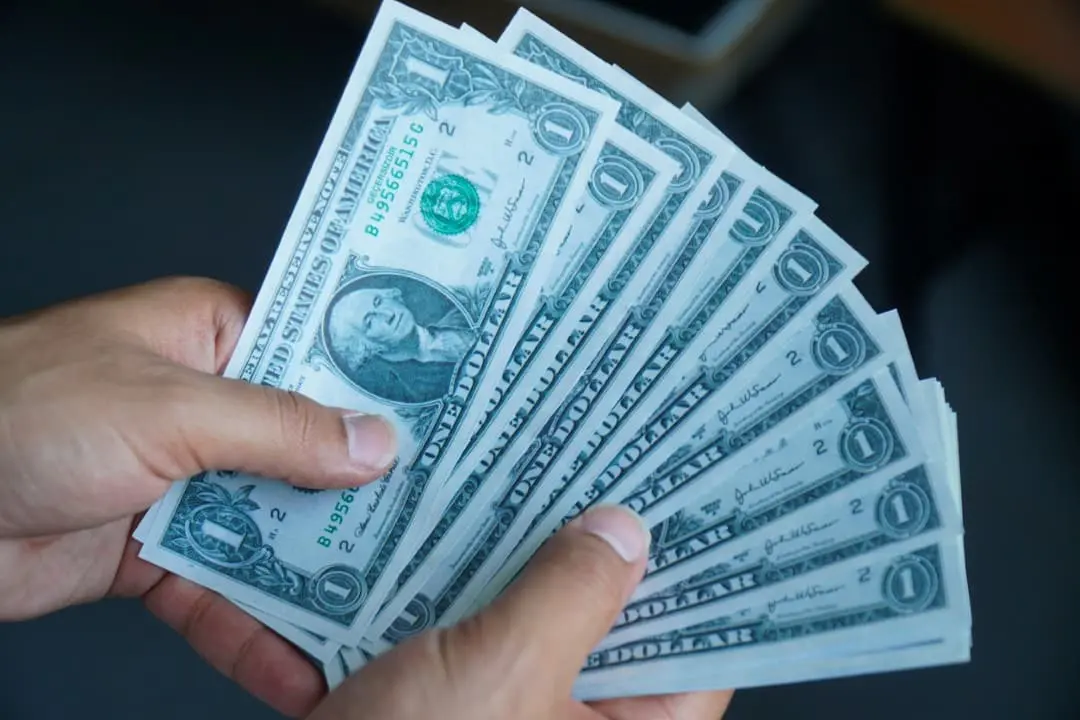
Although the idea of a “refund” is popular and generates expectations, the implementation of any payment requires rigorous bureaucratic procedures. The current economic scenario, which requires caution with inflation and the public deficit, puts a magnifying glass on the feasibility of injecting billions of dollars into the economy without clear counterparts. The proposal, therefore, walks between the promise of immediate relief and the need for long-term fiscal responsibility.
Proposals link tariffs to financial relief
Within the spectrum of suggestions presented to Legislativo, the initiative defended by congressman Ro Khanna, from Califórnia, stands out. The parliamentarian articulated the defense of a payment in the order of US$2,000 specifically aimed at the working class. The suggested eligibility criteria would focus on citizens with an annual income of less than US$100,000, aiming to protect the most vulnerable groups from price fluctuations.
More on this story: Nintendo refuses refunds to Switch 2 customers for voiding illegal fees
The logic behind this move is to establish a financial balance for consumers. When taxing imported products, there is a risk of increasing prices at domestic retail; Financial aid, in this context, would function as direct compensation to mitigate this impact on the taxpayer’s pocket. Essa approach attempts to transform tariff policy, often seen simply as trade protectionism, into an income distribution tool.
President Donald Trump has been a central figure in promoting this directive, repeatedly signaling an intention to use proceeds from tariffs to benefit Americans. The statements point to a model where the federal government acts as an intermediary, collecting taxes at the borders and redistributing part of the amount. Para For many Texans and residents of other states, this possibility represents a crucial support in the face of seasonal expenses and the high cost of living.
Government efficiency and values at stake
Parallel to the tariff issue, a new aspect of financing arises linked to the efficiency of the public machine. The concept, dubbed the “DOGE dividend,” refers to the Departamento of Eficiência Governamental, an initiative led by Elon Musk aimed at drastically tightening federal spending. The premise is that administrative modernization and cutting waste could free up substantial funds to be passed on to the people.
See Also



Speculation about the values of these possible checks varies considerably, reflecting the lack of a consolidated final text. At different times, amounts ranging between US$1,000 and US$5,000 per person were mentioned. The most optimistic proposal would link the payment to a percentage of the savings generated by DOGE, suggesting that 20% of the resources saved would return to taxpayers.
However, the disparity between the values discussed — from modest aid to a robust payment — demonstrates that the project is still in the conceptual maturity phase. Enquanto the idea of a US$5,000 check attracts media attention, more conservative proposals of US$1,000 to US$2,000 are seen by analysts as more plausible within the Estados Unidos budget reality.
Legislative path and challenges for approval
Despite the enthusiasm generated by public statements, institutional reality imposes significant barriers. The American Constituição determines that any federal spending must be authorized by the Congresso, which means that neither the president nor temporary departments have the autonomy to issue checks without legislative approval. The process involves the creation of a bill, debates in committees and votes in both Câmara and Senado.
Learn more: Nintendo denies refunds to consumers after Supreme Court ruling
The polarized political environment in Washington adds an extra layer of difficulty. Para For a measure of this magnitude to move forward, a bipartisan agreement or a solid majority would be required, which currently faces resistance on fiscal issues. The absence of an official schedule or a formally presented base text indicates that the measure still resides in the field of intentions, far from immediate practical implementation.
- The proposal needs to be written as a bill and approved by both legislative houses.
- Payments are not expected before major holidays or in the short term.
- The fiscal impact of a new round of stimulus needs to be evaluated by Escritório of Orçamento of Congresso.
- Disputes over the source of funds — tariffs or spending cuts — can stall negotiations.
Given this scenario, the recommendation for citizens is to maintain financial planning independent of government expectations. The complexity of the procedures in Washington and the need for economic validation make the “DOGE dividend” or tariff refunds a future possibility, but not an immediate guarantee for the household budget.