Unpublished record shows fungus controlling giant spider in the Amazon Rainforest
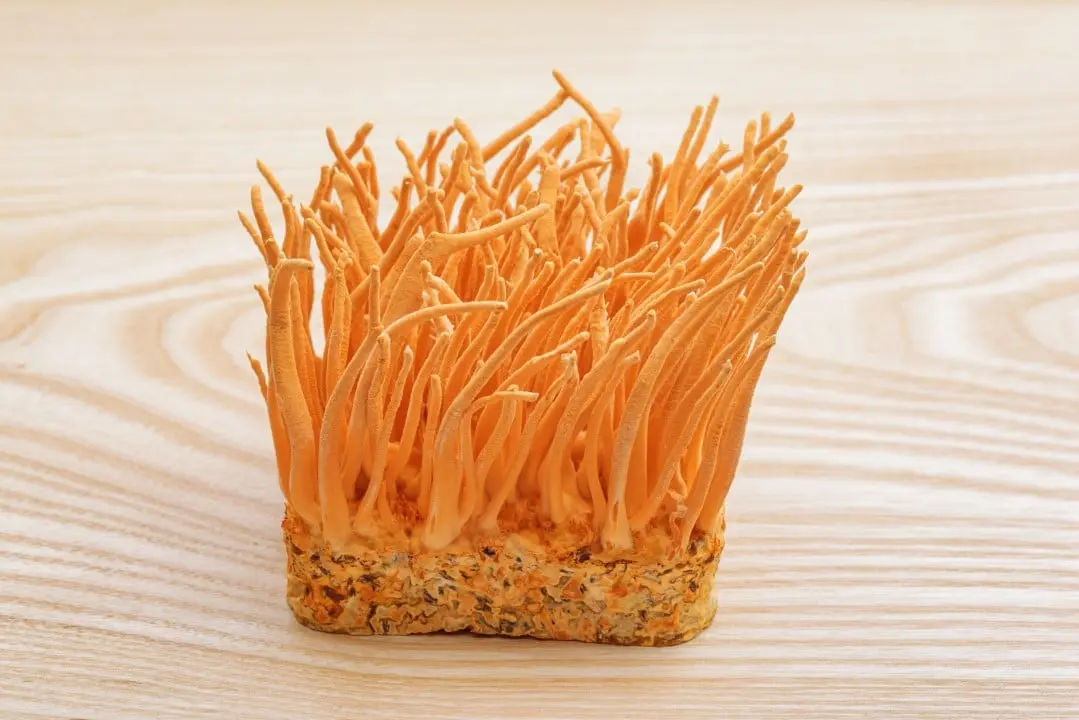
Researchers identified a goliath tarantula of the species Theraphosa blondi infected by the parasitic fungus The find occurred in January 2026, as part of Tropical Mycology Field Course, a course dedicated to the study of tropical fungi. The fungus invades the spider’s body, alters its behavior and, after the host’s death, develops external structures to disperse spores.
The goliath tarantula is considered one of the largest spiders in the world, with legs that can reach a wingspan of up to 30 centimeters. The parasite exploited the host’s size to form an elongated, orange reproductive structure visible externally.
The record highlights natural interactions between fungi and arthropods in Amazonian biodiversity. Especialistas emphasize that the phenomenon does not pose a risk to humans, as the fungus is highly specialized in specific hosts.
Mechanism of action of the parasite
Cordyceps caloceroides initiates infection through spores that adhere to the tarantula’s exoskeleton. Once inside the organism, the fungus uses enzymatic and mechanical processes to penetrate and consume internal tissues.
After establishing itself, the parasite interferes with the spider’s nervous system, causing behavioral changes that lead the animal to position itself in a location favorable to the future dispersion of spores. Esse control ensures the completion of the fungus’ reproductive cycle.
Stages of the infection cycle
- Spores adhere to the exoskeleton and penetrate the host’s body.
- The fungus consumes internal nutrients and alters the spider’s behavior.
- After death, reproductive structures grow out of the body.
- Orange tips release new spores into the environment.
These steps demonstrate the specialization of the parasite in arthropods. The process occurs naturally in dense forest ecosystems.
Context of the scientific expedition
The discovery was made by researcher Lara Erffritzsche during practical activities during the tropical mycology course. Professor Elisandro Ricardo Drechsler-Santos, from Universidade Federal of Santa Catarina, documented the specimen on video.
Reserva Adolpho Ducke covers a conservation area with a high diversity of species. Pesquisas carried out on site contribute to the mapping of little-known ecological interactions.
The course brought together Brazilian and international experts to study fungi in the field. Registros like this expand knowledge about the Amazon fungus.
Characteristics of the host tarantula
The Theraphosa blondi inhabits regions of humid tropical forest and builds burrows in the ground. Adultos reach a weight of more than 100 grams and have venom of low toxicity for humans.
These spiders play a role in controlling insect populations in the food chain. Sua presence indicates balanced ecosystems with high biomass.
The robust size provides enough energy for the fungus to develop larger reproductive structures. Isso differentiates the case of infections in smaller hosts.
Ecological role of parasitic fungi
Fungi of the genus Cordyceps regulate arthropod populations in natural environments. Eles contribute to the nutrient cycle by decomposing organic matter.
At Amazônia, thousands of fungal species remain poorly studied. Interações like this maintain the balance between predators and prey.
These organisms act as indicators of environmental health in preserved forests. Sua diversity reflects the integrity of tropical habitats.
Preservation of reserve Ducke
Reserva Florestal Adolpho Ducke covers around 10 thousand hectares close to the capital of Amazonas. Instituições scientists have been using the area for long-term research for decades.
Leia Também



Monitoring programs identify new species regularly. The conservation unit protects remnants of primary forest.
Controlled access guarantees the continuity of studies on biodiversity. Investimentos in field infrastructure facilitate expeditions like the one that resulted in the registration.
Differences for fictional cases
The phenomenon has gained comparisons with cultural representations of parasitic fungi. In reality, species such as Cordyceps caloceroides are limited to invertebrate hosts.
There are no records of infection in mammals or humans by these specialized fungi. The human immune system prevents the proliferation of spores inhaled daily.
Experts reinforce the distinction between scientific facts and fictional narratives. The find serves to illustrate ancient evolutionary processes.
Advances in the study of tropical mycology
Intensive field courses train researchers in fungal identification. Parcerias international institutions expand the exchange of knowledge about Neotropical species.
Detailed records allow comparisons with collections from other biomes. Bancos of global data incorporate new findings for phylogenetic analyses.
Brasil has the potential to lead studies on tropical fungi. Áreas preserved like Amazônia has high fungal endemism.
Observed reproductive structures
In the specimen found, the fungus formed orange branches of significant length. Essas structures emerge from the spider’s body after complete consumption of the internal tissues.
The fertile tips concentrate the production of spores. The coloring facilitates field identification by experts.
The size of the structure reflects the amount of nutrients obtained from the large host. Esse pattern varies depending on the parasitized species.
Contribution to environmental conservation
Documenting parasitic interactions reinforces the importance of conservation units. Áreas protected areas maintain conditions for the occurrence of rare phenomena.
Mycology research supports biodiversity preservation policies. The official recognition of funga as a distinct component expands protection actions.
Scientific records generate data for long-term monitoring. Environmental Mudanças can affect the frequency of these natural interactions.
The fungus Cordyceps caloceroides exemplifies the evolutionary sophistication of parasites in tropical ecosystems. Well-documented Casos and Reserva Ducke contribute to the global catalog of fungal species.
The interaction between the parasite and the goliath tarantula demonstrates specific adaptations developed over millions of years. Estudos continue to map regional variations of these fungi in América of Sul.