
Final part of Final Fantasy VII Remake will be released in 2027 with next-generation graphics engine


Square Enix has officially confirmed the release window for the long-awaited final chapter of the trilogy that recreates the classic 1997 RPG. The Japanese studio has set the year 2027 for the title’s arrival, a moment that will coincide with the original game’s 30th anniversary. The conclusion of the saga promises to tie up all the loose ends left by its predecessors, offering fans the definitive closure of this ambitious reinterpretation project.
Development follows a strict schedule to ensure the quality surpasses the first two games. The creative team highlighted that it is not just a direct sequel, but a work that seeks to raise the standard of the franchise, honoring the legacy of three decades while implementing modern mechanics that were not possible in previous generations of consoles.
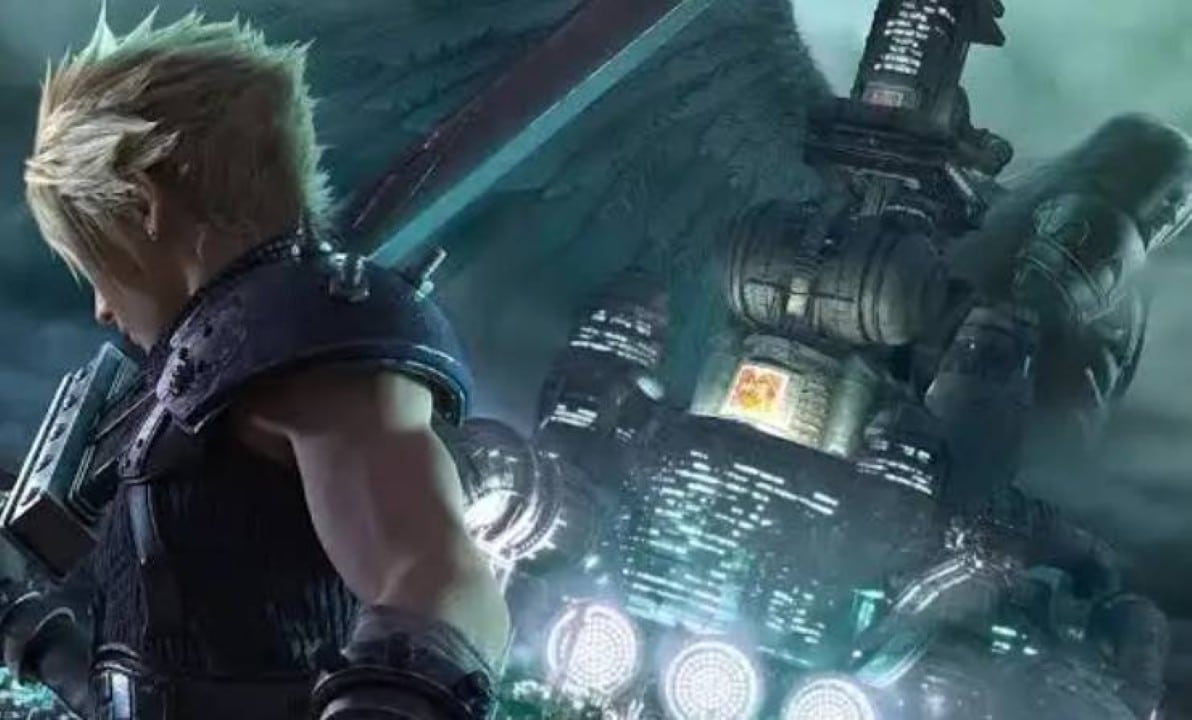
Technical evolution and visual engine change
One of the main technical novelties revealed for this third part is the complete migration to Unreal Engine 5. Enquanto the previous titles, Remake and The goal is to create more detailed environments and more realistic lighting, making the most of current hardware.
The change of graphics engine is not just aesthetic, but functional. Developers emphasized the importance of a seamless, seamless world. The new technology will allow the game to render vast scenarios without the need for visible loading screens, ensuring total immersion during the transition between countryside exploration, cities and battle sequences.
Aerial exploration and freedom on the map
The exploration mechanic will receive a fundamental addition with the introduction of the Highwind, the game’s iconic aircraft. Diferente of limited fast travel systems, the promise is that players will have real freedom to fly around the world map. Esta functionality was designed to offer an unprecedented perspective on the planet, allowing access to previously unreachable areas and reinforcing the global scale of the adventure.
In the narrative aspect, the game will maintain the hybrid combat system that mixes real-time action with strategic commands, a trademark of this recreation. The plot will focus on resolving the conflicts established in Rebirth, delivering the answers that the community awaits. Square Enix ensures that this will be the most robust content in the trilogy, serving as the final piece of the puzzle that modernized one of the most influential stories in video games.
Advances in technical development
Choosing Unreal Engine 4 avoids risks associated with migrating to Unreal Engine 5. The team has made several customizations to the engine over the years to optimize graphics, performance and mechanics. Essa approach ensures stability across multiple platforms from launch. The focus remains on the visual quality and fluidity already achieved in Final Fantasy VII Rebirth.
Hamaguchi highlighted that continuing with a known base speeds up the process without compromising the project’s ambition. Fans can expect incremental improvements to textures, lighting, and animations. The decision also facilitates adaptation to new generation consoles, including the Nintendo Switch 2.
Expectations for the end of the trilogy
Parte 3 will conclude the modern reinterpretation of the journey of Cloud and his allies against Shinra and Sephiroth. Elementos like Highwind and open world exploration should gain greater prominence. The game promises to resolve pending plot mysteries, including aspects of Corrente Vital and the characters’ fates.
Square Enix emphasizes that the final chapter will deliver an emotional and complete experience. Maintaining Unreal Engine 4 allows you to prioritize content and narrative over time-consuming technical adaptations. Fãs look forward to more details throughout the year.
Platforms and cross-platform strategy
The title should arrive simultaneously on multiple platforms from day one. Isso reflects Square Enix’s recent strategy of abandoning timed exclusivities. Ports from Remake and Rebirth to Xbox and Nintendo Switch 2 have already been confirmed or are in progress.
The approach expands the reach of the game to different audiences. Optimized performance in Unreal Engine 4 should ensure solid compatibility across a variety of hardware. Jogadores can expect support for features like simplified progression in some versions.
Chronology of the remake trilogy
Final Fantasy VII Remake was released in 2020 and focused on the events of Midgar. Final Fantasy VII Rebirth arrived in 2024 expanding into the open world beyond the industrial city. Parte 3 completes the main arc of the adapted original story.
The gap between releases reflects the growing scope of each chapter. The team accumulates experience with the engine and internal tools. The year 2027 marks the natural conclusion of the modern trilogy.
Additional details about the graphics engine
Unreal Engine 4 has received extensive modifications to support the detailed visuals of Rebirth. Essas changes include optimizations in rendering and asset management. Familiarity with the engine reduces learning time and potential bugs.
Although Unreal Engine 5 offers advanced features like Nanite, the transition could delay the schedule. The decision prioritizes delivery within the deadline aligned with the anniversary. The final visual results should surpass previous ones thanks to continuous refinement.
The trilogy continues to attract global attention for its fidelity to the original combined with innovations. The release in 2027 should consolidate the legacy of Final Fantasy VII in modern gaming.



