
Food influencer dies from devil crab toxins during video in Puerto Princesa By Jeronimo Santos
4 min read
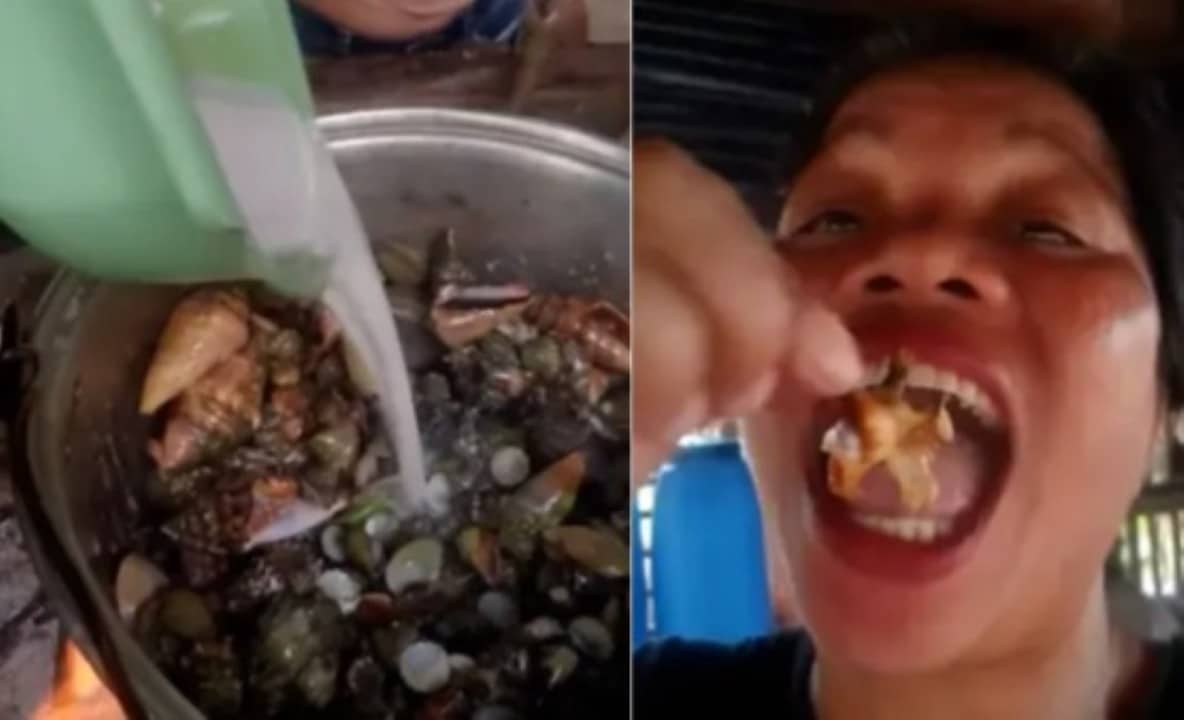 |
Gastronomic influencer Emma Amit, aged 51, died on February 6 in Puerto Princesa, in the province of Palawan, in Filipinas. Ela ingested a crustacean known as a devil crab while producing a video for social media.
Emma collected various seafood from a mangrove forest on February 4th. Entre the items included the highly toxic species Zosimus aeneus, which she prepared with coconut milk and consumed the next day.
Symptoms appeared quickly, including convulsions and darkening of the lips. Ela received initial care at a local clinic and was transferred to a hospital, where she died.
Authorities confirmed the presence of shells of the toxic species in the residence’s trash. The case highlights the risks of consuming seafood without proper identification.
Species with lethal toxins
The devil crab, scientific name Zosimus aeneus, lives in coral reefs in the Indo-Pacific region. Ele accumulates neurotoxins such as saxitoxin and tetrodotoxin when feeding on contaminated organisms.
These toxins block sodium channels in the nerves and are not neutralized by cooking. Ingestion causes progressive paralysis and can lead to respiratory failure within a few hours.
- Saxitoxin causes tingling, weakness and respiratory arrest.
- Tetrodotoxin, also present in pufferfish, causes similar symptoms with high lethality.
Cases of poisoning by this species are periodically recorded in coastal areas. Autoridades Philippines maintain constant alerts to the population.
Rapid progression of symptoms
Emma Amit showed serious signs on February 5th, one day after consumption. Vizinhos observed convulsions during transport to the clinic.
The condition quickly worsened, with him being transferred to hospital in an unconscious state. The darkening of the lips indicated cyanosis associated with poisoning.
Death occurred within hours of the onset of intense symptoms. The absence of a specific antidote makes the treatment essentially supportive.
Experts emphasize that the speed of the effects reduces the chances of recovery. Prevention remains the most effective measure.
Collection in mangrove area
Puerto Princesa has mangroves with a great diversity of marine species. Moradores and fishermen carry out regular collections for food.
Emma Amit produced content about fishing and local cuisine. Ela recorded the collection of several crustaceans, including the toxic specimen.
The province of Palawan is known for environmental preservation. Manguezais function as rich ecosystems, but they are home to dangerous organisms.
Authorities identified residues of the species Zosimus aeneus in the residence. The confirmation reinforced the cause of the poisoning.
Toxins accumulated in the body
Saxitoxin interrupts the transmission of nerve impulses. In high doses, it causes rapid respiratory failure.
Tetrodotoxin acts in a similar way, with potency comparable to that of known poisons. Ela concentrates through the marine food chain.
Toxic algae represent the primary source in Indo-Pacific waters. Caranguejos of reef absorb and retain the compounds.
Zosimus aeneus is considered one of the most dangerous species. Intoxicações mainly affect coastal communities dependent on fishing.
Previous cases in the region
Puerto Princesa recorded other deaths from toxic crustaceans. Autoridades issued recurring alerts to the population.
In nearby areas, similar occurrences present high mortality. Pescadores Experienced people avoid species with characteristic coloration.
The incident with Emma Amit gained attention because it involved video recording. The preparation with coconut milk has been documented.
Communities receive regular guidance on secure identification. Programas educational activities seek to reduce risks in collection zones.
Recommendations from authorities
Health officials in Palawan stepped up guidance following the case. Eles recommend avoiding consumption of items collected without expertise.
Two previous deaths in the city involved similar species. Materiais newsletters are distributed in communities.
Immediate care is essential at the slightest sign of poisoning. Hospitais maintain protocols for marine poisoning.
Inspection covers collection points and local markets. The objective is to prevent the sale of dangerous items.
Appearance of Zosimus aeneus
The devil crab is reddish-brown in color with white spots. The carapace measures between 5 and 10 centimeters.
It inhabits shallow waters in reefs and mangroves. Feed includes detritus and contaminated organisms.
The distinct coloration serves as a warning to traditional fishermen. Iniciantes are often confused with edible species.
The species occurs from África Oriental to central Pacífico. Nas Filipinas, is common in provinces like Palawan.
Risks to coastal communities
Populations dependent on fishing face constant exposure. Manual collection increases the chances of wrong identification.
Visitors seek authentic experiences in natural areas. Lack of knowledge contributes to incidents.
Trained local guides accompany safe collections. Programas encourage preventive practices.
The biodiversity of Palawan includes few high-risk species. Awareness reduces serious occurrences.
Species identification
The pattern of white spots on a dark background characterizes Zosimus aeneus. The tweezers are uniformly colored.
Educational materials include images for visual recognition. Distribution takes place in community centers.
Traditional fishermen pass on generational knowledge. Novas generations do not always take precautions.
Comparisons with collected specimens confirm the species involved. Post-incident identification reinforces alerts.
Preventive measures
Experts advise consulting experienced residents before consumption. Identificação preview prevents fatal errors.
Illustrated guides help distinguish species. Aplicativos begin to provide visual support.
Purchasing from certified markets guarantees health safety. Produtos undergo basic inspection.
Periodic training reaches vulnerable groups. Participation increases after cases of repercussion.
Occurrence in Indo-Pacific
Zosimus aeneus is distributed across broad tropical regions. Países like Indonésia and Malásia record similar cases.
In Filipinas, Palawan concentrates occurrences due to abundance. Outras coastal provinces report poisoning.
Studies monitor toxin levels in populations. Variações seasonal influence concentrations.
Regional alerts share risk data. Cooperation aims to reduce incidents in coastal areas.











