Nvidia advances in Physical AI and ensures that robots can now develop fast reasoning with current data, says executive
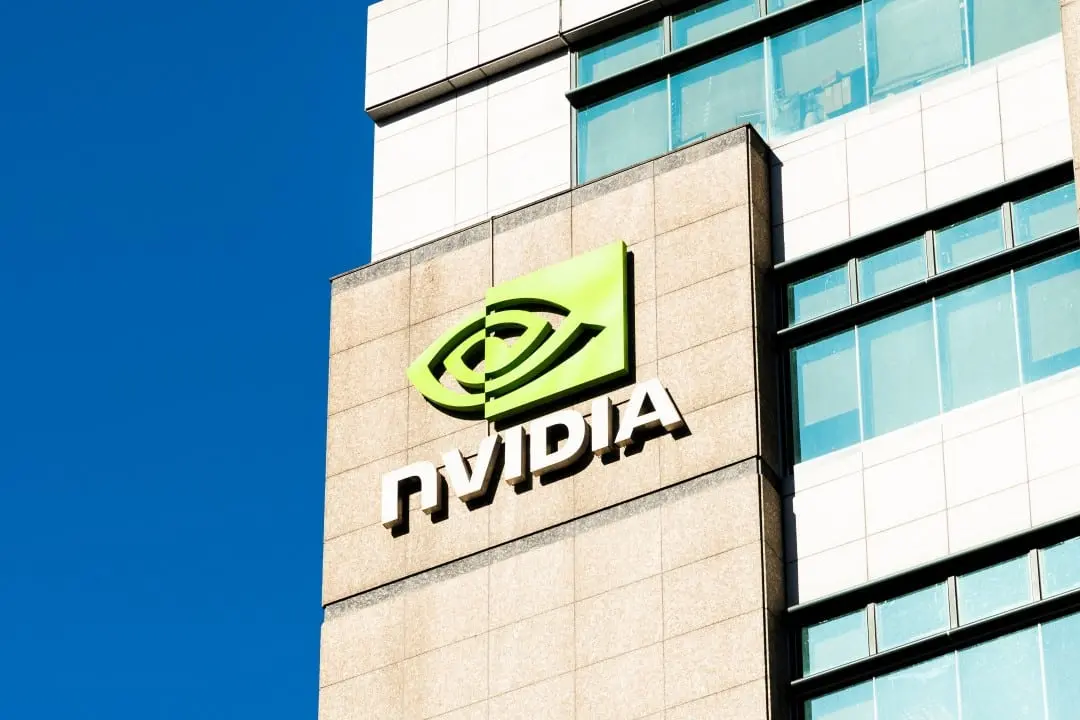
Marcio Aguiar, director of Essa evaluation took place during the Microsoft event in São Paulo, where the executive highlighted the transition to Physical AI.
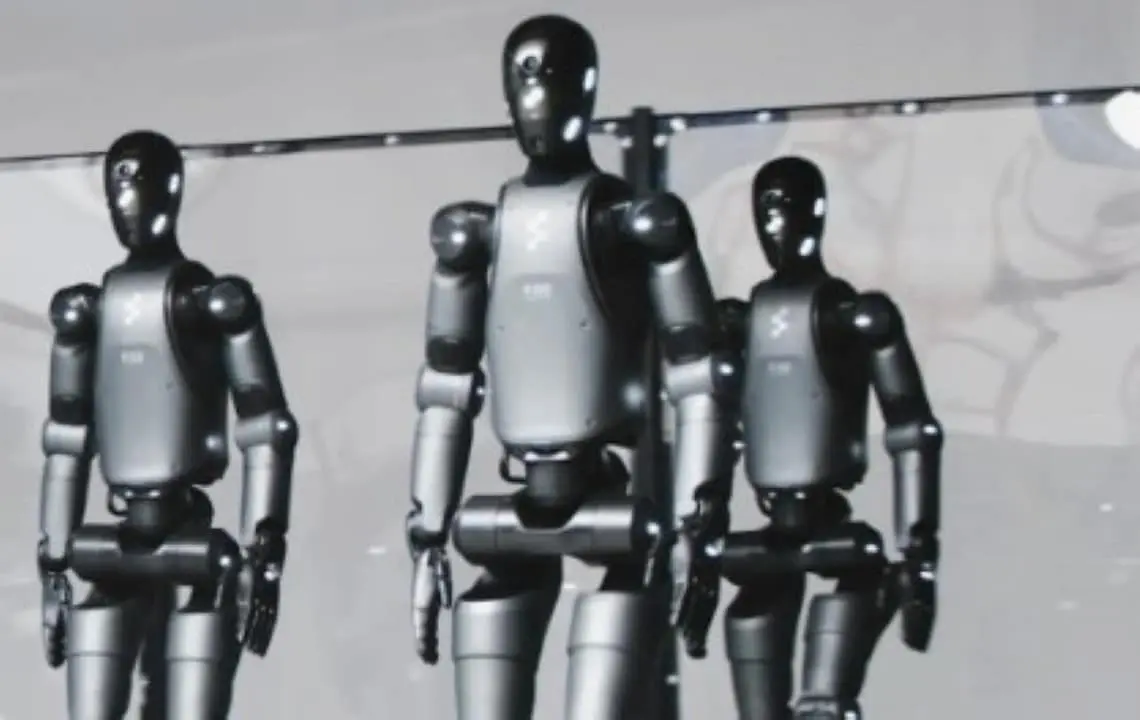
The technology integrates generative artificial intelligence into physical systems, enabling applications in humanoid robots and other autonomous machines. Aguiar emphasized that previous phases of AI, such as generative and agentic, created solid foundations for this advancement.
The executive participated in the Microsoft AI Tour and reinforced that Nvidia has been investing in robotics solutions for years. The company provides hardware and software that equips the main companies in the sector.
Recent Advances in Physical AI
Nvidia launched open models for Physical AI in early 2026, accelerating the training of humanoid robots. Esses models include tools like GR00T, designed to simulate complex behaviors in virtual environments before physical implementation.
Global partners use these platforms to validate robot actions in factories and urban spaces. Integration allows machines to perceive their surroundings and react autonomously.
More on this story: Wedbush Analyst Sees Tesla as Top Stock in Physical AI with Robotics and Autonomy
Practical applications in industries
Robots equipped with computer vision already operate on production lines, identifying objects and adjusting movements in real time. Essa capability reduces errors and increases efficiency in industrial environments.
In the automotive sector, autonomous vehicles and robotaxis incorporate similar technologies for safe navigation. The Nvidia provides the processors that process large volumes of sensory data.
International implementation examples
In Japão, humanoid robots assist medical teams in hospitals, transporting medicines and supplies to patients. Essas machines operate integrated into the hospital workflow.
Companies like Figure and NEURA Robotics adopt Nvidia platforms to develop more natural behaviors in humanoids. Testing includes extensive simulations to ensure accuracy in everyday tasks.
Learn more: The evolution of artificial intelligence: developers swap chatbots for physical AI
Hardware and software development
Nvidia focuses its efforts on specialized chips for training AI models applied to robotics. Mais out of one hundred leading companies in the segment use these components in their projects.
The ecosystem includes open frameworks that facilitate collaboration between developers. Essas tools allow training robots in varied scenarios without the need for initial physical data.
Integration with generative AI
Combining generative AI with physical systems creates robots capable of learning tasks through observation. Modelos recent Nvidia processes videos and instructions to generate autonomous actions.
See Also



This approach accelerates the development of humanoids for human environments. Simulations in Omniverse reproduce real-world conditions with high fidelity.
Robots in factories and hospitals
Smart mechanical arms already monitor assembly lines and adjust operations based on detected variations. Technology minimizes interruptions and optimizes production processes.
On the same topic: Researchers use AI to discover hidden laws in charged particle systems
In healthcare facilities, robots deliver essential items and monitor routes to avoid obstacles. Gradual implementation ensures safety in interactions with humans.
Autonomous vehicles and robotaxis
The autonomous mobility sector receives continuous investment in data processing platforms. Carros and robotic taxis use integrated sensors for split-second decisions.
Nvidia collaborates with automakers to expand testing in real urban conditions. Advancements include accurate mapping and prediction of pedestrian behaviors.
Prospects for general humanoids
General-purpose humanoid robots adapt to multiple tasks in spaces designed for humans. The Nvidia provides the computational core that enables continuous learning.
- Training in virtual simulations accelerates the improvement of motor skills.
- Open models allow contributions from the developer community.
- Integration with computer vision improves interaction with various objects.
- Dedicated processors support real-time inference during operations.
Gradual expansion of technology
The adoption of Physical AI occurs progressively in different sectors. Usuários interact with smarter machines without realizing the underlying complexity.
Full coverage: News (EN)
Nvidia maintains a focus on maturing generative solutions before larger expansions. Essa strategy ensures stability in critical applications.
Open platforms and collaboration
Isaac Lab and OSMO facilitate robotic policy assessments in controlled environments. Desenvolvedores access libraries for performance benchmarking.
Integration with open source communities accelerates innovations in robotics. Empresas partners test new behaviors in next-generation robots.
Nvidia continues to expand its portfolio to support the growth of autonomous robotics. Investments in computational infrastructure support the processing of large datasets necessary for advanced reasoning in physical machines.