

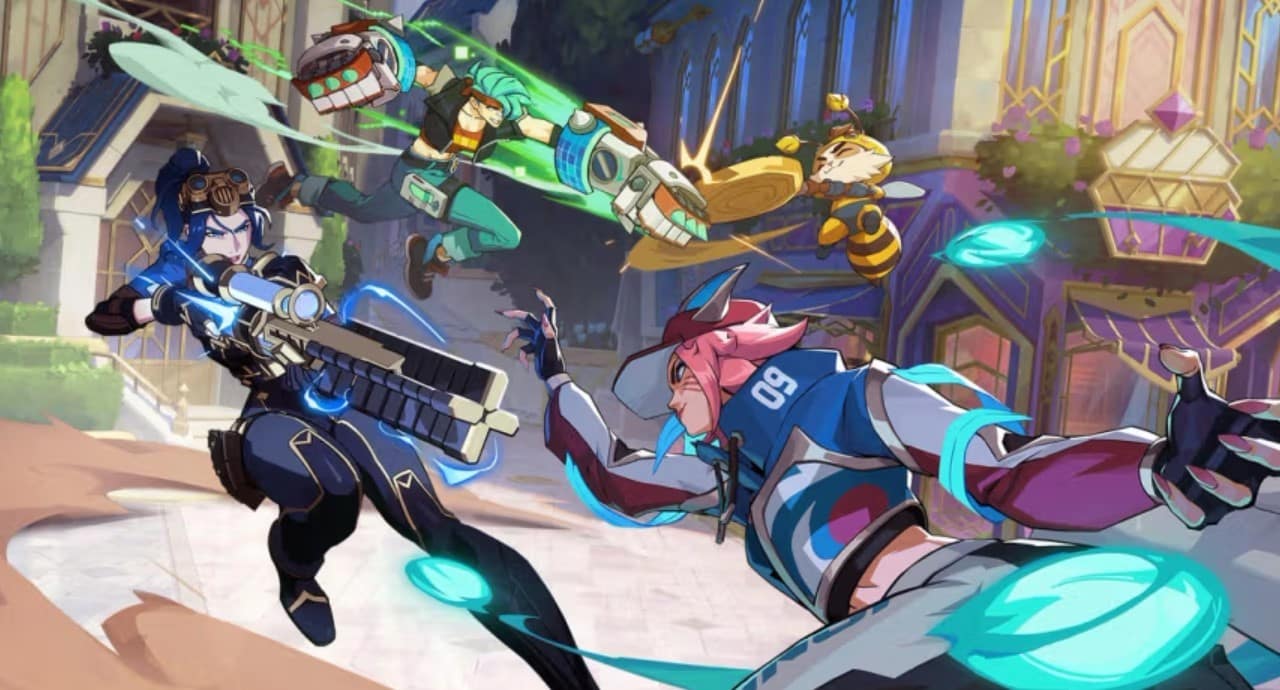
Riot Games announced a significant restructuring of the team responsible for developing its highly anticipated fighting game. The project’s executive producer, Tom Cannon, officially announced that the team will undergo a drastic reduction, affecting around 80 professionals who worked directly on the creation of the title. The decision comes at a crucial moment, aiming to adjust the scope of the project to the financial and engagement reality observed during the testing phases.
Sustainability and engagement challenges
The main reason given for the cuts was the need to balance production costs with the expected return. Segundo the studio’s leadership, the game, which operates on a free model with microtransactions, did not reach the player retention metrics necessary to justify such a large team at this stage. The previous structure was considered unsustainable for the current stage of product maturation, requiring a course correction to ensure long-term viability.
The proposal for 2XKO, a tag team fighting game (2v2) set in the universe of League of Legends, was always ambitious. However, data collected during alpha tests and in-person events indicated that, although the gameplay was praised by genre enthusiasts, the growth of the user base was not keeping up with internal projections. The company therefore chose to focus efforts on a smaller, more agile team, focused on the quality of the core experience before expanding the content.
Maintaining the schedule and focusing on quality
Despite the reduction in workforce, Riot Games has ensured that development of the title remains active. Planning for the launch on PlayStation 5 and Xbox Series X|S consoles, scheduled for the beginning of 2026, remains on the developer’s horizon. The strategy now focuses on polishing the mechanics and delivering a solid product, instead of trying to scale production quickly with an inflated team.
Professionals affected by the decision will receive support from the company during the transition process. The measure reflects a broader movement in the gaming industry, where large studios have reevaluated their investments in high-risk projects, prioritizing operational efficiency and financial sustainability in the face of an increasingly competitive and demanding market in terms of technical quality.



