
Risk of battery fire forces BYD to recall almost 90,000 Qin Plus model vehicles in China


The Chinese automotive giant has initiated a wide-ranging safety procedure involving a significant number of its most popular plug-in hybrid sedans. The preventive measure aims to correct defects identified in the manufacturing process of energy components, which have the potential to cause serious thermal incidents in affected vehicles.
Origin of the technical failure and associated risks
The central problem was located in the battery pack assembly process of the Qin Plus DM-i model. Investigações pointed out that controller capacitors can physically interfere with the power cell casing due to inconsistencies in the production line. Essa interference creates the risk of microcracks and internal structural damage.
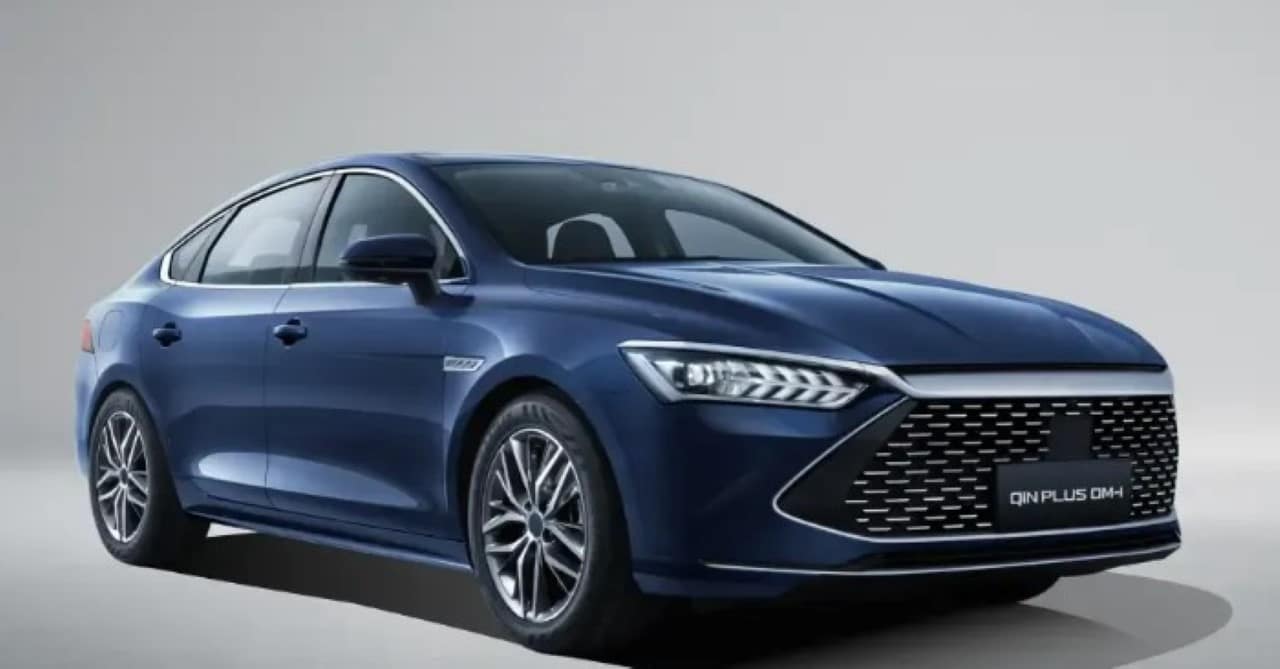
When this protection is compromised, there is the possibility of electrolyte leakage or internal short circuits. In extreme scenarios, this failure can trigger thermal runaway, a phenomenon where excessive heat quickly propagates between cells, resulting in a fire in the vehicle, even when it is parked or charging.
Scope of call and production dates
According to the documents submitted to Administração Estatal of Regulação of Mercado of China, the corrective action covers exactly 88,981 units. The vehicles included in this call were manufactured during a specific period, between January 2021 and September 2023, and it is essential that owners check the assembly date of their cars.
Solutions implemented by the automaker
To resolve the issue, the company adopted a hybrid approach involving technology and physical inspection. Inicialmente, vehicles will receive a software update in Sistema of Gerenciamento of Bateria (BMS). Este new code is capable of detecting voltage and temperature anomalies with greater precision, alerting the driver immediately of any irregularity.
If the diagnostic system identifies imminent risks or already consolidated damage, owners will be advised to visit an authorized dealer. In Nestes cases, the complete replacement of the battery pack will be carried out at no cost to the customer, ensuring the integrity of the electrical system and the safety of the occupants.
Market context and quality control
This procedure occurs at a time of strong global expansion for the brand, which seeks to consolidate its reputation for reliability in international markets. The action demonstrates an effort to maintain transparency with consumers, as other models in the line, such as the Tang DM-i, have previously undergone similar checks to ensure the quality of high-voltage components.



