
Suzuki renews top-of-the-line SUV based on the RAV4 and bets on a high-power hybrid engine By Luís Henrique Costa
4 min read
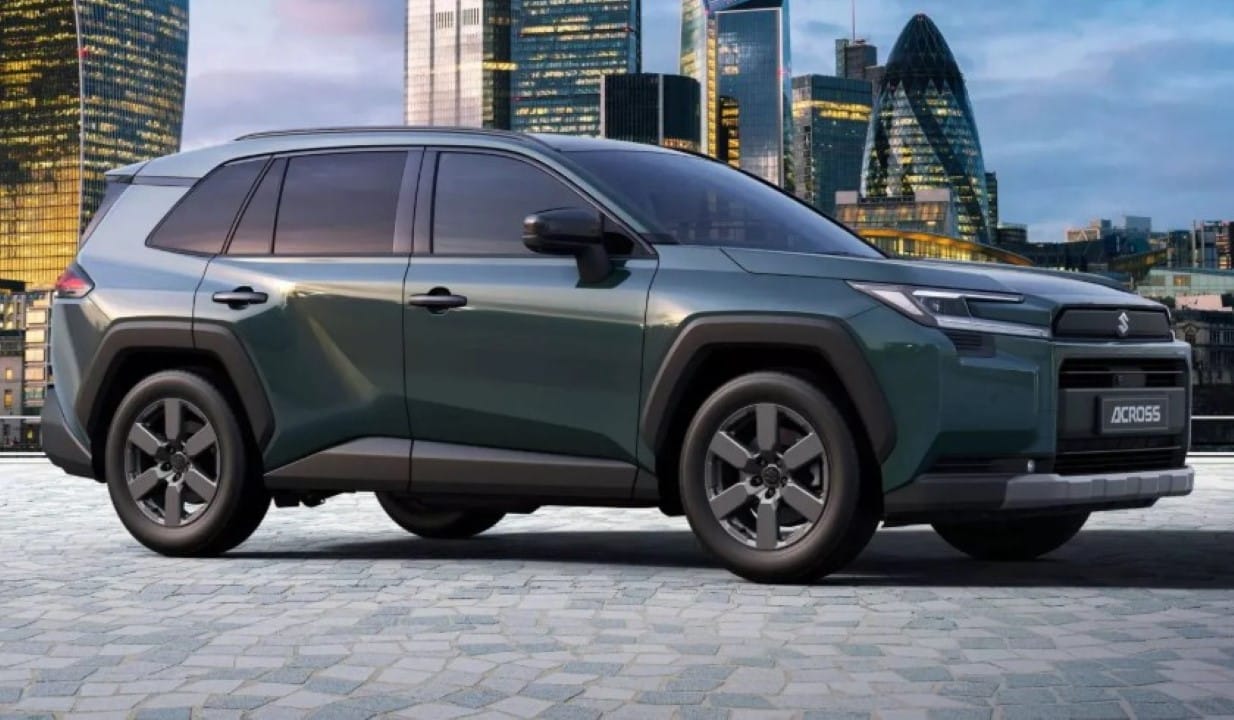 |
The Suzuki officially announced the arrival of the new Across update to the European market, reinforcing its presence in the electrified sports utility vehicle segment. The model maintains its shared architecture with the Toyota RAV4 PHEV, the result of a strategic partnership between the two Japanese manufacturers, but seeks to establish its own visual identity through specific aesthetic adjustments to the front.
The vehicle is positioned as the brand’s top of the line vehicle in the region, offering a robust package of equipment and an engine focused on energy efficiency and performance. The update brings elements that try to distance the SUV from its “brother” from the Toyota, with emphasis on the new front grille and the Suzuki logo in evidence, as well as headlights with a revised light signature.
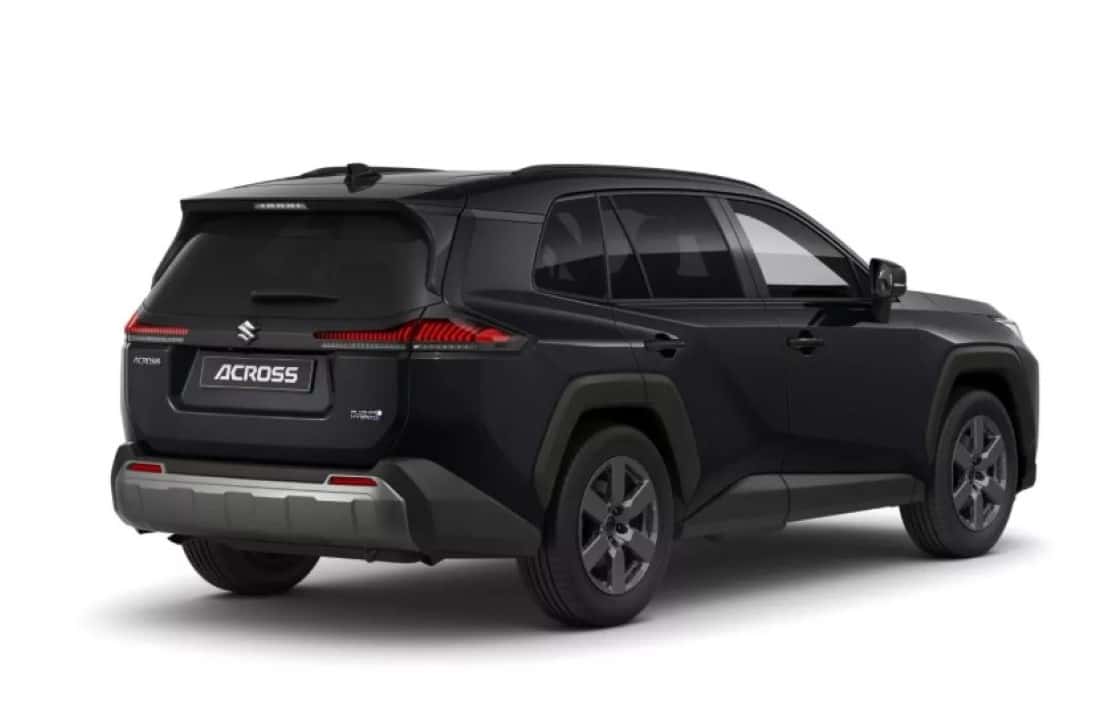
This renewal is strategic for the automaker, which needs models with low pollutant emissions to comply with the strict environmental standards of Europa. The Across acts as a key piece on this board, allowing the company to compensate for the emissions of other vehicles in its fleet, taking advantage of the plug-in hybrid technology already consolidated by the partner.
Visual details and external finish
The exterior design received subtle modifications, mainly concentrated in the front section to create a necessary differentiation in relation to the original design. The front grille adopts a specific pattern that harmonizes with the redesigned bumper, giving the SUV a slightly more aggressive and distinct appearance on European streets.
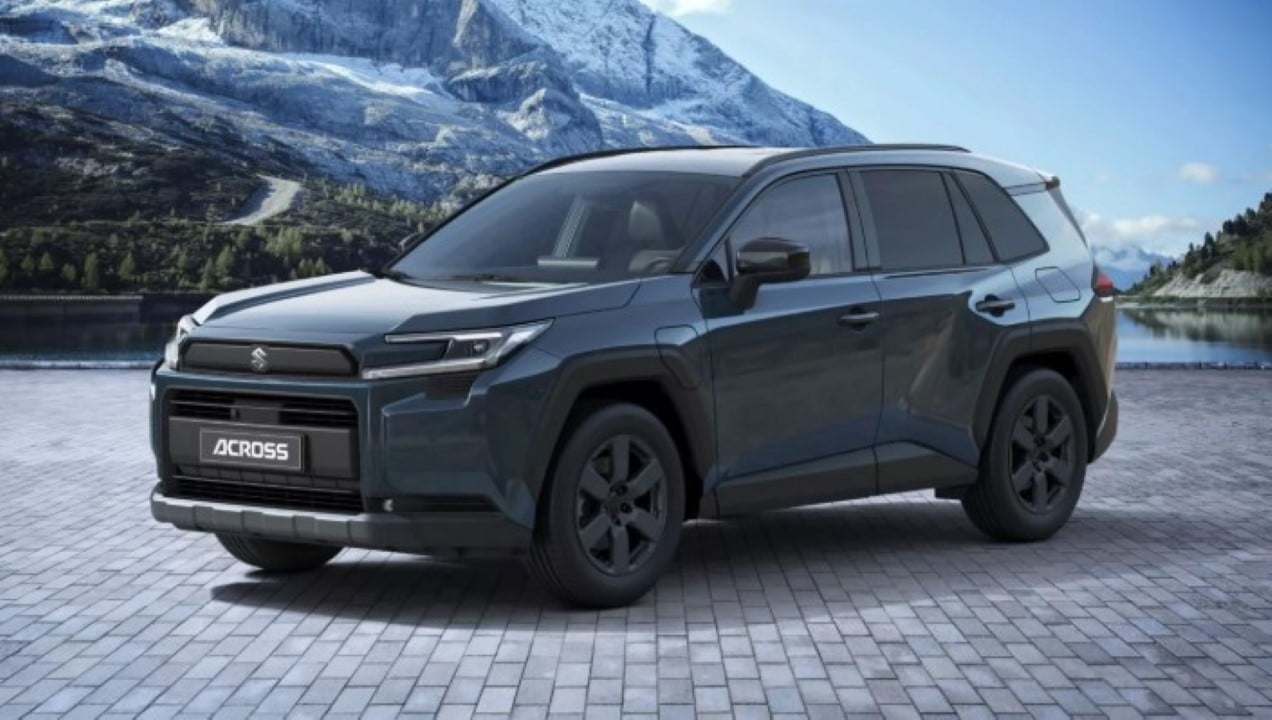
On the sides, the model sports 19-inch alloy wheels finished in glossy black, which reinforce the vehicle’s sophisticated proposal. The color palette available for the bodywork includes sober and elegant options, such as shades of white, black, gray and metallic red, in line with the taste of the local consumer who seeks discretion combined with modernity.
Embedded technology and internal comfort
The cabin of the new SUV has undergone a significant technological update, aiming to maintain competitiveness against modern rivals. The dashboard now accommodates a 12.3-inch fully digital instrument cluster, which offers multiple viewing options for driving information and hybrid system status. Next to the console, a new 12.9-inch infotainment screen dominates the console, responsible for managing media, navigation and connectivity functions, reducing the number of physical buttons and cleaning up the panel design. The interior finish prioritizes soft-touch materials and dark tones, creating a premium environment, complemented by USB-C ports distributed throughout the cabin and wireless charging for smartphones, ensuring that all occupants remain connected during travel.
Mechanical set and performance
Under the hood, the sports utility vehicle hides a high-performance mechanical package that combines a 2.5 gasoline engine with two electric engines. Essa configuration delivers a combined power of 306 horsepower, a number that places the model among the most powerful in its category and guarantees safe overtaking on highways.
The lithium-ion battery, with a capacity of approximately 20 kWh, is the heart of the plug-in system, allowing autonomy in pure electric mode sufficient to cover most daily urban journeys. The E-Four all-wheel drive system automatically manages the distribution of force between the axles, optimizing grip on slippery surfaces or during dynamic driving.
Preliminary data indicates that acceleration from 0 to 100 km/h is achieved in 6.1 seconds, an impressive mark for a vehicle of this size and weight. The E-CVT transmission works to keep the engine in its ideal rpm range, smoothly switching between propulsion modes to maximize fuel efficiency.
Driving safety and assistance
Safety has been treated as a priority in this update, incorporating the latest suite of driving assistants available on the platform. The system uses cameras and radar sensors to monitor the vehicle’s surroundings in real time, acting preventively to avoid collisions or mitigate their effects.
- Adaptive cruise control with automatic stop and start function in traffic jams.
- Lane keeping system with active steering correction.
- Blind spot monitoring and rear cross traffic alert.
- Traffic sign recognition integrated into the digital panel.
- Autonomous emergency braking with pedestrian and cyclist detection.
These features increase the vehicle’s level of automation, providing more relaxed driving on long journeys and greater safety in chaotic urban traffic.
Market positioning and competition
The launch faces fierce competition in the electrified medium SUV segment at Europa, competing for space with consolidated models from other Asian and European brands. The Honda CR-V and the Mitsubishi Outlander are direct rivals that also rely on hybrid technology to attract families looking for economy and space.
The Suzuki pricing strategy should position the model as a high-value-added alternative, focusing on the complete package of standard equipment to justify the investment. The immediate availability and reputation for reliability of the Toyota mechanics are assets that the brand intends to exploit to gain its market share.
Industrial strategic partnership
This launch symbolizes the continuity and strengthening of technical collaboration between Suzuki and Toyota, essential for the survival and competitiveness of both on the global stage. Enquanto to Toyota expands its production scale and dilutes development costs, the











