

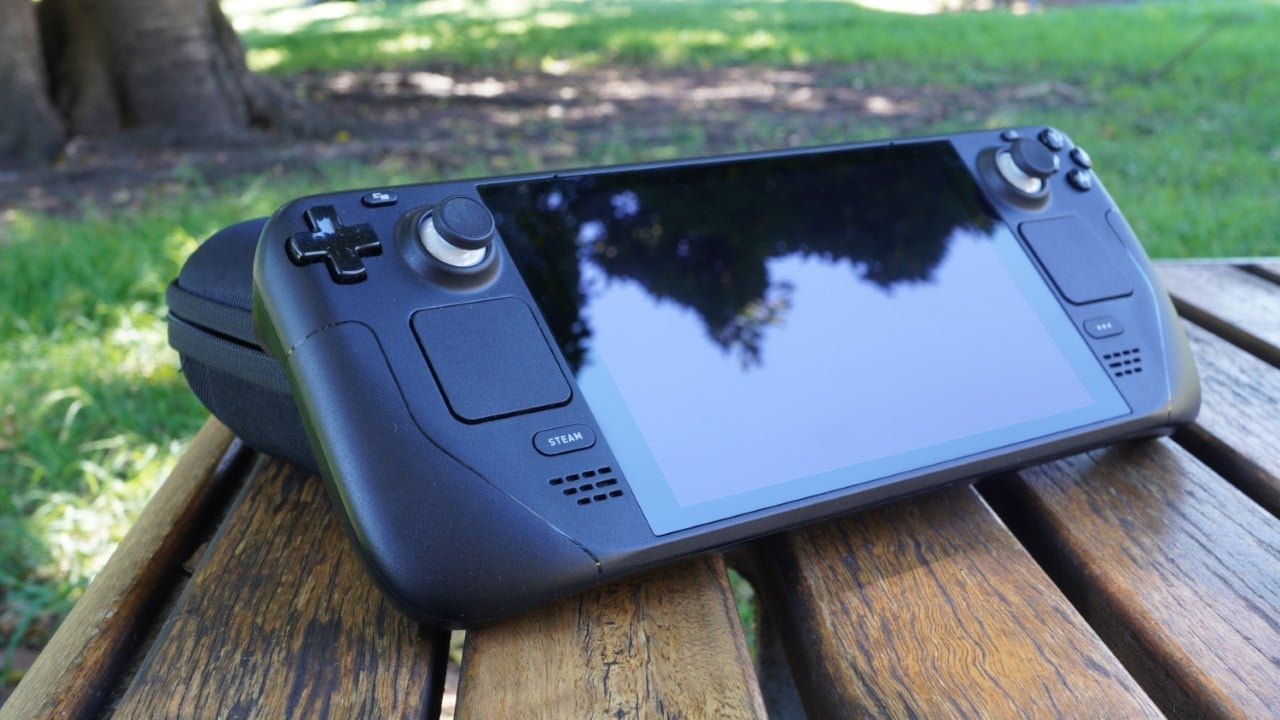
All models of the Steam Deck have been sold out at the official Valve store in the Estados Unidos since the beginning of February 2026. The unavailability covers the 512 GB and 1 TB OLED versions, in addition to the entry-level remanufactured LCD model. Consumidores who access the website only find the zero stock message.
The situation generated immediate speculation in the gaming community. Observadores relate the shortage to the global RAM and storage crisis, driven by high demand for components in artificial intelligence servers. Valve has not yet officially commented on the causes or deadlines for replacement.
The phenomenon occurs at a time of instability in the semiconductor market. Fabricantes as well as SK Hynix and Micron have already signaled LPDDR5X memory supply restrictions until the end of 2027, affecting portable devices.

Current stock status
The Valve online store at Estados Unidos displays all Steam Deck models as unavailable for direct purchase. The interruption began gradually in recent days and affected all variants available in the American catalog.
Users report that the 1TB OLED model was the first to disappear, quickly followed by the 512GB version. Certified refurbished devices were also in short supply, limiting options for those looking for more affordable prices.
Possible causes of burnout
The main hypothesis involves the shortage of LPDDR5 memories, an essential component of the Steam Deck OLED. Explosive demand for high-performance chips for training AI models has reduced the supply available to other segments.
Analysts point out that manufacturers prioritize large-volume contracts with technology companies. Isso leaves producers of gaming devices in a secondary position in supply.
Other factors contribute to the current situation:
- Sudden increase in purchases due to fear of rising prices.
- Gradual reduction in production of the LCD model since the end of 2025.
- Relocation of components for future Valve projects.
Context of the memory crisis
The semiconductor market has faced severe constraints since the second half of 2025. Preços of DRAM and NAND modules have risen significantly due to the concentration of production on high-bandwidth memories.
Companies like Nvidia and large data centers absorb most of the manufacturing capacity. Isso has a ripple effect on products that use similar technologies, including portable consoles.
The situation affects not only Valve. Outros handheld manufacturers report similar difficulties in planning inventory for 2026.
Experts’ forecasts indicate that restrictions will be maintained at least until mid-2027.
Changing handheld market
The Steam Deck has consolidated its prominent position in the portable PC segment since its launch. The OLED version, introduced in 2023 and improved in 2025, received praise for its higher quality screen and extended battery life.
Competitors like Asus ROG Ally and Lenovo Legion Go maintain regular stock in most regions. However, they also face cost pressure on memory components.
The temporary absence of Steam Deck could benefit rivals in the short term. Consumidores in search of alternatives migrate to devices with similar AMD processors.
The Valve maintains an advantage in integration with the Steam platform. Milhões of users prefer the native ecosystem for game library.
Varied regional availability
While the Estados Unidos register a total absence, other regions present a different situation. Países Europeans still have units available in limited quantities.
Select Asian markets also maintain stock of OLED models. The difference suggests a regional distribution strategy on the part of Valve.
American buyers turn to third-party resellers. Preços on these channels already show an increase in relation to the official values.
Reactions from the gaming community
Forums and social networks record intense debates about burnout. Parte of users expresses concern about a possible increase in replacement prices.
Another group interprets the situation as a sign of transition to a new generation. Rumores about Steam Deck 2 have been circulating for months, although without official confirmation.
Players who planned recent acquisition look for refurbished options. Valve’s certified program gains attention as a temporary alternative.
The community awaits a clear position from the company. Previous Comunicados indicate that Valve prioritizes transparency in supply issues.
Recent product evolution
Valve gradually discontinued LCD models throughout 2025. The strategy focused efforts on the OLED line, considered more competitive compared to rivals.
Software updates remained frequent even with hardware restrictions. SteamOS has received improvements in compatibility and performance in demanding titles.
The device remains popular for allowing AAA games to be played in a portable format. Bibliotecas extensive features of the Steam platform reinforce users’ attachment.
Prospects for replacement
Experts estimate that a new batch could hit American shelves in the coming weeks. Standardization depends on negotiations between Valve and component suppliers.
The company has already faced similar situations in previous cycles. Reposições usually occur without drastic price changes when the cause is logistics.
Interested consumers recommend visiting the official store. Notificações of stock returns help ensure unity upon reopening.
The handheld segment continues to expand despite current difficulties. Lançamentos predicted for 2026 indicates sustained market interest.



