


Toyota intensifies its strategy in the national market with the launch of a model that promises to redefine efficiency standards in the compact sports utility vehicle segment. The Japanese automaker is betting all its chips on flex hybrid technology to face the growing wave of imported electrified vehicles, positioning its new product as the ideal bridge between traditional combustion and total electrification. The vehicle arrives at dealerships with the mission of regaining market share and offering a robust alternative to consumers looking to save fuel without relying exclusively on external charging infrastructure.
Energy efficiency and mechanical performance
The heart of the new SUV is a propulsion system that combines the best of both worlds, focused strictly on reducing emissions and low consumption. The mechanical package delivers a combined power of 111 horsepower, combining a combustion engine with 91 hp and 12.3 kgfm of torque to an electric propellant with 80 hp and 14.4 kgfm. Embora acceleration from 0 to 100 km/h is not the main focus, the response at low speeds guarantees agility in urban traffic.
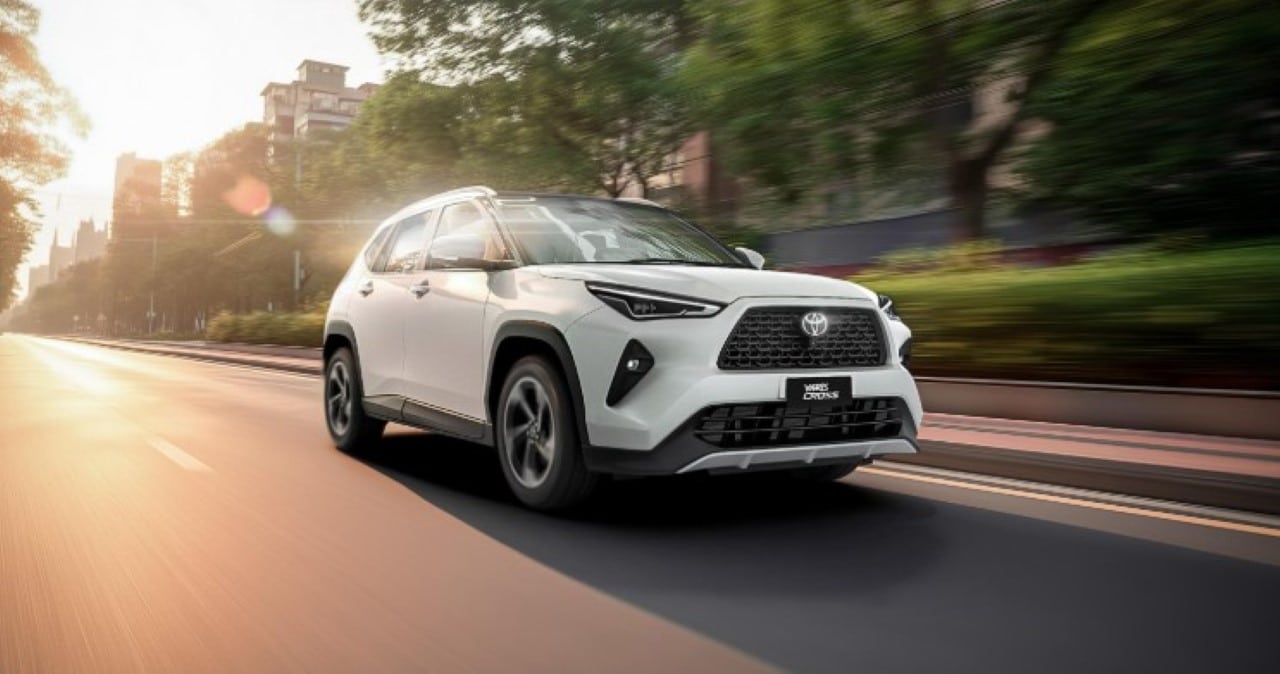
Technical data reveals that efficiency is the biggest differentiator of this project. The model presents impressive consumption figures, exceeding the category average by around 30% when fueled with gasoline and 33% with ethanol. The brand’s engineering worked to optimize the engine’s operating cycle, ensuring that autonomy is one of the strong points to attract drivers who travel long distances daily.
Internal space and strategic dimensions
To stand out in a saturated niche, the automaker opted for dimensions that flirt with superior categories. The utility vehicle measures 4.31 meters in length, with a wheelbase of 2.62 meters, which translates into a more generous cabin for rear seat occupants. The width of 1.77 meters and the height of 1.66 meters give it a robust stance, conveying security and visual stability.
Carrying capacity was also prioritized in the development of the project. The trunk offers 400 liters of volume in the combustion version and 391 liters in the hybrid variant, an imperceptible difference in everyday use. Esse intelligent use of internal space, combined with a modern design, aims to serve everything from small families to professionals who need versatility to transport equipment and luggage.
Pricing strategy and fierce competition
The marketing positioning was calculated to reach a wide range of consumers, with values ranging between R$149,990 and R$189,990. Essa pricing puts the model on a direct collision course with Chinese SUVs, which have recently gained ground. The brand’s focus lies in consumer confidence in the after-sales network and the lower depreciation of locally produced vehicles compared to imported ones.
The economic scenario of 2026, with the resumption of import taxes on foreign electric and hybrid vehicles, favors national production. Toyota uses this context to strengthen the narrative that the flex hybrid is the most logical solution for the Brazilian reality, where ethanol is widely available and the electric charger network still faces expansion challenges outside large urban centers.
Overcoming production challenges
The arrival of the model on the streets also symbolizes the industrial recovery of the Porto Feliz factory. Após faced incidents that impacted the schedule, such as a fire in the engine unit, the assembly line resumed its pace to meet pent-up demand. The adaptability of the industrial plant was crucial to ensure that the launch did not suffer significant delays that could compromise the brand’s commercial strategy this year.



