
Five European countries confirm Navalny’s poisoning with poisonous frog toxin and blame Russia By Bruna
6 min read
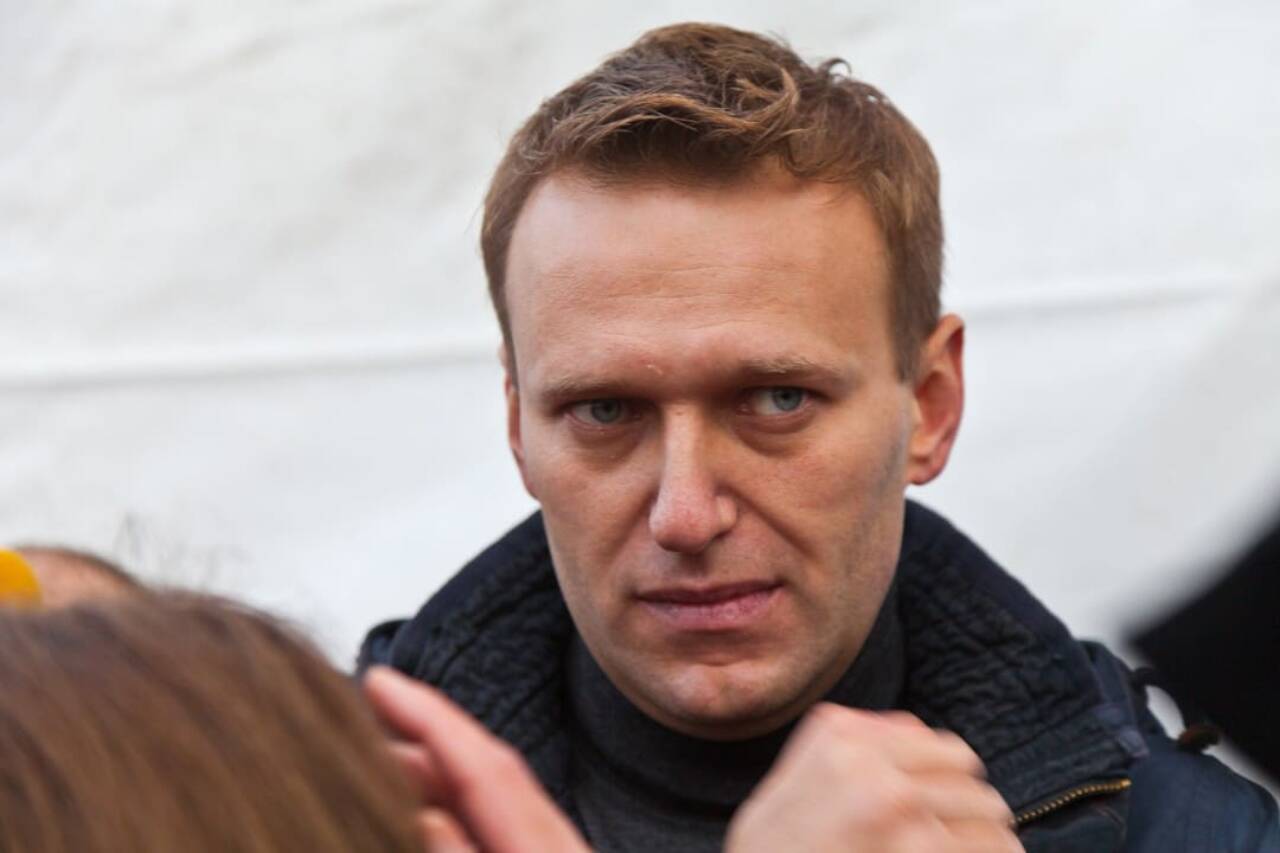 |
Five European countries announced this Saturday that laboratory analyzes confirmed the presence of epibatidine in the body of Alexei Navalny, a lethal toxin derived from the skin of South American poison frogs. The substance, which does not occur naturally in Rússia, was identified in samples collected after the death of the opposition leader, which occurred in February 2024 in a penal colony in Ártico. The governments of Reino Unido, França, Alemanha, Suécia and Países Baixos issued a joint statement holding the Russian Estado responsible for the poisoning.
The statement highlights that Rússia had the means, motive and opportunity to administer the toxin. The countries stated that they will report the case to Organização to Proibição of Armas Químicas (OPCW), alleging violation of Convenção over Armas Químicas. Navalny’s death, aged 47, occurred while he was serving a 19-year sentence for charges he considered politically motivated.
Yulia Navalnaya, the opponent’s widow, reacted immediately to the announcement. Ela reiterated that he always knew about the poisoning and now has concrete evidence provided by independent laboratories.
Joint statement by European governments
The ministries of Relações Exteriores of the five countries released an official coordinated statement in Londres. The document details the results of tests carried out on samples preserved since 2024. Epibatidine acts as a potent neurotoxin, causing paralysis and heart failure in minimal doses.
Governments have emphasized that the presence of the substance can only be explained by deliberate action. Eles pointed out the history of use of chemical agents by the Russian Estado in previous cases. British minister Yvette Cooper stated that the method reveals the scope of the tools available to the Russian government against opponents.
Characteristics of the identified toxin
Epibatidine is extracted from poisonous arrow frog species native to América and Sul, especially Colômbia and Equador. Pesquisas Scientific studies indicate that the substance is hundreds of times more potent than morphine in terms of analgesic effects, but extremely toxic in uncontrolled doses. Seu use as a chemical weapon is rare due to its exotic origin and difficulty in obtaining it.
Toxicology experts consulted confirm that epibatidine causes symptoms such as convulsions, respiratory distress and cardiovascular collapse. Esses effects match reports about Navalny’s condition before his death. The toxin does not leave immediate traces detectable by conventional tests, which explains the delay in identification.
- Main symptoms of epibatidine: progressive muscular paralysis, cardiac arrhythmia and respiratory failure.
- Natural origin: skin of frogs of the genus Epipedobates, restricted to South American tropical forests.
- Lethal potential: minimal doses can cause death within hours without specific treatment.
- Absence in Rússia: there are no records of natural occurrence or known local production.
Political trajectory of Alexei Navalny
Alexei Navalny emerged as President Vladimir Putin’s main critic from the 2010s onwards. Suas investigations reached millions of views on digital platforms despite internal censorship.
Navalny organized large-scale protests against electoral fraud and government corruption. Ele survived a poisoning in 2020 with a nerve agent from the Novichok group, attributed to Kremlin by international laboratories. Após treatment at Alemanha, voluntarily returned to Rússia in 2021 and was immediately arrested.
During his incarceration, he faced harsh conditions in remote penal colonies. Ele maintained contact with supporters through messages and broadcast court hearings. Sua influence persisted even in prison, inspiring opposition movements inside and outside Rússia.
Previous poisoning in 2020
The 2020 attack occurred during a domestic flight on Sibéria. Navalny lost consciousness and was hospitalized in Omsk before being transferred to Berlim. Laboratórios Germans, French and Swedes confirmed traces of Novichok, a military-grade chemical agent developed in the Soviet era.
The OPCW validated the findings and classified the incident as the use of a prohibited chemical weapon. Rússia denied involvement and refused joint investigations proposed by Western countries. Sanções international charges were imposed against Russian officials suspected of involvement.
The case generated widespread condemnation in the international community. Navalny used the episode to reinforce his narrative of systematic political persecution. Ele produced documentaries and statements that increased its global visibility.
Immediate reactions from the widow and allies
Yulia Navalnaya published a message on social media hours after the European declaration. Ela stated that he was certain of the poisoning from the first day and now has irrefutable evidence. Navalnaya directly called Putin a murderer and demanded international accountability.
Allies of Navalny exiled in Europa organized demonstrations in several capitals. Eles called for expanded sanctions against the Russian government and a full independent investigation. Equipes legal entities prepared additional complaints in international courts.
Fundação Anticorrupção, now operating from abroad, has released new material on corruption. The group linked Navalny’s death to the growing repression against dissidents. Ativistas highlighted the continuity of the fight initiated by the opposition leader.
Official position of the Russian authorities
Kremlin rejected the European accusations and classified them as unfounded. Porta-voices stated that Navalny’s death resulted from natural causes after feeling unwell while walking in prison. Autoridades Russian prisons released initial version of sudden death syndrome.
Internal investigations concluded that there was no crime, according to official statements. Rússia questioned the chain of custody of samples analyzed by European laboratories. Diplomatas Russians promised a formal response to the complaints at the OPCW.
The Russian Ministério of the Relações Exteriores accused European countries of politicizing the case. Eles alleged motivation to interfere in the internal affairs of Federação Russa. Declarações officials maintained a tone of total denial of state involvement.
Context of current Russian opposition
The death of Navalny intensified the fragmentation of the internal opposition in Rússia. Muitos activists emigrated after police repression in spontaneous protests in 2024. Organizações independents face classification as foreign agents or extremists.
Alternative digital channels continue to disseminate criticism of the government. Apoiadores use virtual private networks to bypass blocks. Eventos annual memorials bring together participants despite police restrictions.
Exiled leaders coordinate international advocacy actions. Eles press for the release of political prisoners and an end to judicial persecution. The legacy of Navalny remains central to contemporary oppositional narratives.
Procedures on Organização to Proibição from Armas Químicas
The five countries plan to present a formal complaint at the next OPCW session. The protocol requires provision of detailed technical evidence to Estados-members. Independent Investigadores can be mobilized for additional verification.
Previous cases involving Russian chemical agents have generated damning resolutions. The organization maintains mechanisms for monitoring prohibited substances. Violações confirmed results in recommendations for collective sanctions.
Countries that signed the convention committed to cooperating in investigations. Rússia, as a member, has the right to formal defense in the process. Decisões finals depend on consensus or qualified voting among participants.
Details about the penal colony on Ártico
The prison where Navalny died is located in the region of Yamalo-Nenets, above Círculo Polar Ártico. Condições extreme weather conditions include temperatures below -40°C in winter. Presos face prolonged isolation and strict disciplinary regime.
Navalny reported frequent transfers to punishment cells. Ele reported a lack of adequate medical care in smuggling letters. Relatórios of human rights documents document similar patterns in other remote installations.
The colony houses those convicted of serious and political crimes. Acesso of family members and lawyers was restricted even before death. Autoridades Prisoners control information about internal incidents.
Navalny’s international legacy
Documentaries about his life have won awards at global festivals. The 2022 film “Navalny” won Oscar in the documentary category. Autobiografia posthumous “Patriota” reached best-seller lists in several countries.
European parliaments have awarded posthumous human rights awards. Cidades Westerners named streets and squares in his honor. Fundações continue their independent journalistic investigative work.
Young activists cite Navalny as inspiration for civic engagement. Sua phrase “don’t be afraid” became a motto in opposition demonstrations. The impact transcends Russian borders and influences debates about authoritarianism.











