
Food influencer dies in the Philippines after eating toxic crab during video recording By Carolina Costa
5 min read
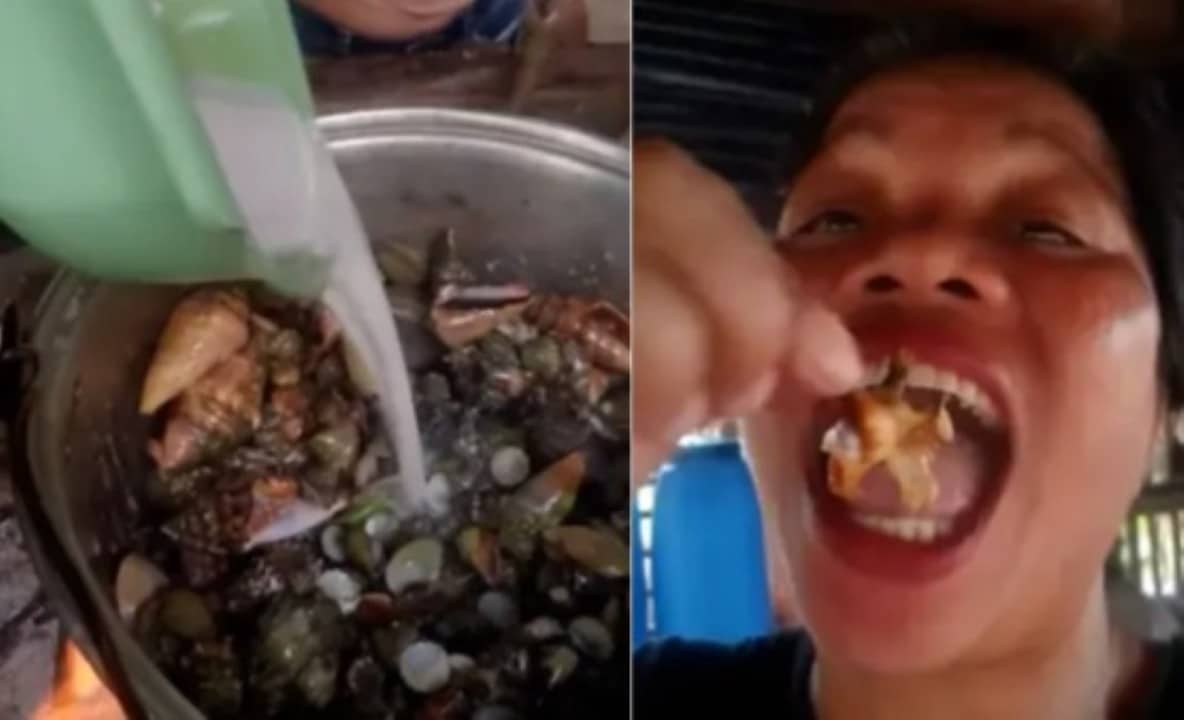 |
A tragedy shook the local community and followers of gastronomic content in the province of Palawan, in Filipinas. Emma Amit, a 51-year-old content creator, passed away on February 6 in the city of Puerto Princesa after consuming a lethal crustacean. The victim prepared and ingested a specimen popularly known as a devil crab while producing a video for his social networks, unaware of the high toxicity of the animal that he had captured days before in a mangrove area.
The animals were collected on February 4th, when Emma was exploring a local mangrove forest in search of ingredients for his rustic cooking videos. Entre the various seafood collected, was theZosimus aeneus, a visually distinct but extremely dangerous species. The day after capture, the influencer cooked the crab using coconut milk, a traditional preparation in the region, and consumed the dish, which triggered a series of severe biological reactions in her body.
The effects of the poison manifested themselves quickly and aggressively. Pouco time after ingestion, neighbors and family noticed that Emma presented alarming symptoms, including intense convulsions and darkening of the lips, a clinical sign of cyanosis and lack of oxygenation. Ela was rushed to a local clinic for first aid and, due to the severity of the condition, transferred to a larger hospital. Apesar Despite the medical efforts, the influencer could not resist the systemic failure caused by the neurotoxins and died.
Health authorities and police from Puerto Princesa carried out an inspection of the victim’s residence to determine the exact cause of death. Durante the inspection, the crab shells were found in the domestic waste, confirming the ingestion of the toxic species. The case served as an immediate warning to the population and tourists about the hidden dangers of indiscriminately collecting seafood without proper technical knowledge of local species.
Mechanism of action of neurotoxins
The devil crab, scientifically cataloged asZosimus aeneus, is a common inhabitant of coral reefs and mangroves in the Indo-Pacific region. The lethality of this species lies in its ability to accumulate potent neurotoxins, specifically saxitoxin and tetrodotoxin, in its tissues. Essas substances are acquired through the crab’s own diet, which consumes contaminated organisms and toxic algae present in the marine ecosystem.
Upon entering the human body, these toxins act by blocking sodium channels in nerve cells, interrupting the transmission of vital impulses. The process results in progressive muscular paralysis that, in severe cases, affects the diaphragm and intercostal muscles, leading to respiratory failure in a matter of hours. An aggravating factor is that both saxitoxin and tetrodotoxin are thermostable, that is, they are not neutralized by the heat of cooking, making the culinary preparation ineffective for food safety.
Tetrodotoxin, also found in the famous pufferfish, is known for its high mortality rate and the lack of a specific antidote. Medical treatment for victims of poisoning by these substances is purely supportive, focused on maintaining vital functions such as breathing and circulation while the body attempts to metabolize and excrete the poison. The rapidity with which symptoms evolve, as observed in the case of Emma Amit, drastically reduces the windows of opportunity for successful clinical intervention.
Visual characteristics and identification
The visual distinction ofZosimus aeneusIt is one of the main factors that should serve as a warning, but which often attracts the curiosity of inexperienced collectors. The animal has a carapace that varies between shades of brown and red, adorned with bright spots and patterns that may appear attractive. Its body size generally varies between 5 and 10 centimeters, and its pincers have a uniform color, differentiating it from other edible species that inhabit the same shallow waters.
Traditional fishermen in the Palawan region have ancestral knowledge about which species to avoid, recognizing the devil crab by its warning colors. However, lack of familiarity among new generations or amateur fishing enthusiasts can lead to fatal errors in identification. The species is widely distributed from África Oriental to Pacífico Central, being particularly abundant in Philippine provinces rich in marine biodiversity.
After the incident, informational materials with detailed images of the crab began to be distributed in community centers and local markets. The objective is to reinforce visual identification through the pattern of white spots on a dark background, a striking characteristic of the animal. Especialistas emphasize that comparison with safe specimens is the best form of prevention for those who carry out manual collection for subsistence or leisure.
Impact on the community and preventive measures
The death of Emma Amit was not an isolated event in the recent history of Puerto Princesa, which has already recorded other deaths related to the consumption of poisonous crustaceans. The recurrence of these cases led health authorities in Palawan to intensify awareness campaigns and emergency protocols in local hospitals. The main guideline is to completely avoid the consumption of any marine animal whose identification is not 100% safe and certified by experienced fishermen.
The tourist appeal and the search for authentic experiences in nature have increased the presence of visitors and content creators in mangrove areas. Para To mitigate risks, local programs encourage the presence of trained guides during fishing and collecting expeditions. Supervision at markets and points of sale has also been strengthened to ensure that dangerous specimens are not inadvertently sold alongside regular fish.
The local community, shaken by the loss of the influencer who promoted the region’s culture and cuisine, has actively participated in the orientation sessions. The case highlighted the importance of respecting local biodiversity and the dangers inherent to tropical ecosystems. The medical recommendation remains strict: if you experience any symptoms of tingling, numbness or difficulty breathing after consuming seafood, seek hospital care immediately.











