

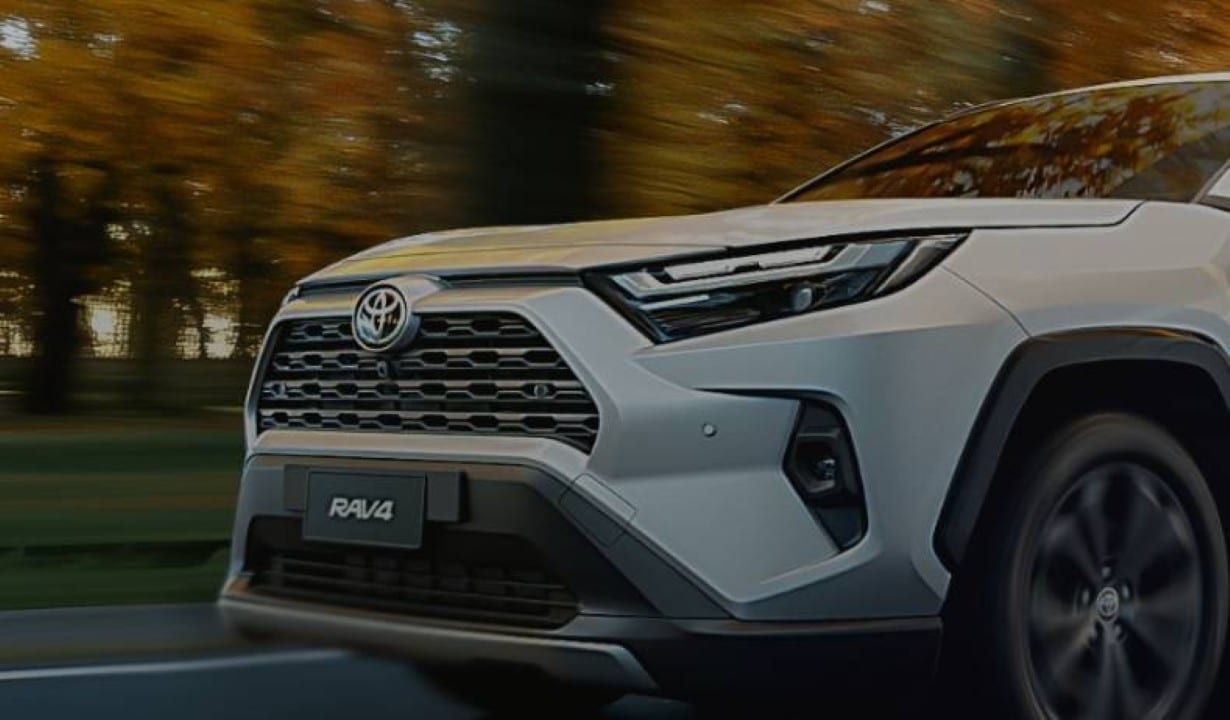
The automotive industry faces a new scenario of supply constraints involving one of the most popular sports utility vehicles on the planet. Toyota issued recent statements warning about the low availability of the new RAV4 Hybrid 2026 at dealerships in several strategic markets. The phenomenon occurs precisely at a time when the Japanese automaker is implementing a complete reformulation of the model, which now adopts the hybrid engine as standard across its entire line, eliminating the exclusively combustion versions that previously existed.
This radical change in the engineering and market positioning of the SUV generated a significant increase in consumer interest, creating an immediate bottleneck on the assembly lines. The decision to transform the RAV4 into an exclusively electrified vehicle increased logistical and manufacturing complexity, putting pressure on the company’s manufacturing capacity. Para To mitigate frustration at points of sale, the manufacturer has already started communication work with resellers to manage customer expectations during this initial launch phase.
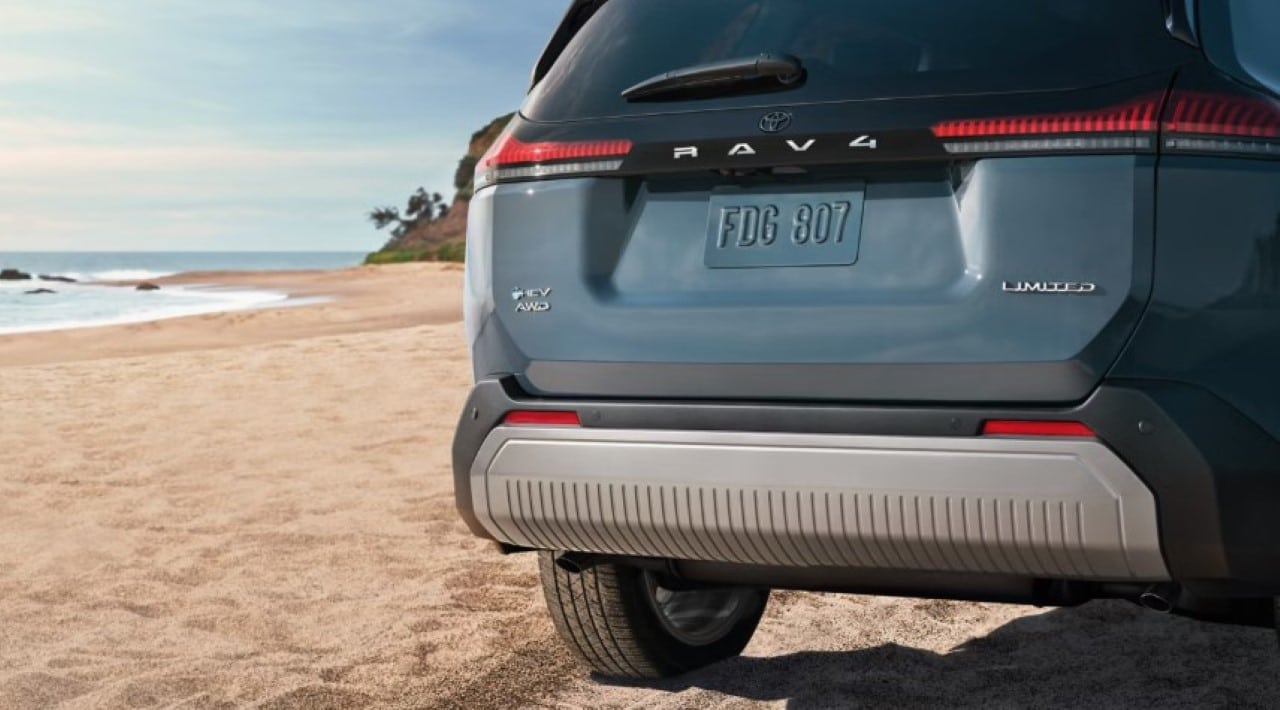
The current context of the automotive sector, marked by an incessant search for energy efficiency, has amplified the search for the new model. Motoristas around the world are prioritizing options that offer greater fuel economy without sacrificing space and versatility, features that keep the RAV4 at the top of global sales rankings. The convergence between the car’s generational renewal and the market’s voracious appetite for hybrids has resulted in limited stocks for the start of the 2026 calendar.
Faced with momentary shortages, the corporation has guided its distribution network to present other products in the portfolio to buyers who do not wish to wait in queues. The strategy aims to maintain active business volume and redirect the flow of customers to models with immediate availability, while industrial adjustments are made to increase the production level of its main product.
Industrial challenges and production adjustments
Manufacturing the RAV4 Hybrid 2026 requires more elaborate processes than previous generations. The mandatory integration of the hybrid system in all units requires significant adaptations on the assembly lines, a technical procedure that consumes more time and resources. Diferentemente from the past, where there was a mix with simpler conventional engines, the standardization of electrified technology requires specific components and a perfectly synchronized supply chain, which impacted the initial volume of completed units.
Another factor that contributes to supply restrictions is the automaker’s resource allocation. Atualmente, the company also dedicates a significant portion of its production capacity to other profitable segments, such as the pickup truck line. Essa division of industrial priorities ends up temporarily limiting the maximum capacity that could be dedicated exclusively to the compact SUV, creating a scenario of restricted supply in the face of elastic demand.
The transition to a fully hybrid fleet represents an increase in operational complexity. The pace at which vehicles leave factories is naturally slower during the first months of a new generation, especially when it involves new propulsion technologies. The expectation is that production speed will gradually increase as teams and robots adjust to the new assembly parameters of the 2026 model.
Technical specifications and efficiency of the new model
The big attraction that has taken consumers to stores is the refined mechanical package of the new RAV4. The vehicle is equipped with a 2.5-liter combustion engine that works in harmony with two electric motors. Esta configuration was calibrated to deliver a combined power of 169 horsepower, focusing primarily on thermodynamic efficiency and economy in daily use, meeting the public profile that seeks rationality in operating costs.
The consumption figures are the highlight of the technical sheet, with the model achieving an impressive average of approximately 18 kilometers per liter (43 mpg) in the combined cycle. With a fuel tank of around 55 liters (14.5 gallons), the SUV offers a theoretical range that can surpass the barrier of 1,000 kilometers on a single fill-up. Essa feature is essential for families who use the car for both urban commuting and long trips, drastically reducing the need for stops at gas stations.
Internally, the project maintained the focus on comfort and habitability. The interior space was designed to comfortably accommodate five adults, while the trunk offers a volumetric capacity of 37.8 cubic feet, ideal for family luggage. Externamente, the design broke with conservatism, adopting more aggressive and modern lines that provide a more robust visual presence on the streets.
Price positioning also plays in favor of high demand. Nos Estados Unidos, the initial value was maintained at around 31,900 dollars. In a market where the average price of new vehicles has already surpassed the $50,000 mark, the 2026 RAV4 positions itself as an extremely competitive value option, offering cutting-edge technology at a cost accessible to the middle class.
Commercial alternatives and sales management
To overcome the lack of product in the window, salespeople are being trained to offer viable alternatives within the brand itself. The Corolla Cross Hybrid appears as the most natural option for those looking for a compact SUV with similar technology and energy efficiency, serving as an outlet for pent-up demand. Da In the same way, the Camry Hybrid is presented as a solution for customers who prioritize comfort and performance, maintaining fidelity to the Toyota’s electrified engine.
This diversification tactic allows dealerships to maintain profitability and customer relationships, preventing buyers from migrating to competing brands. By highlighting the reliability and efficiency present across the entire hybrid range, sales consultants are able to convert interest in the RAV4 into sales of other models that currently have greater stock availability.
In addition to the traditional hybrid options, the brand also uses this moment to present the Prius, a historic reference in electrification, and the bZ4X, a fully electric model. Essa portfolio breadth is crucial to navigating periods of product transition, ensuring there are mobility solutions for different consumer profiles while flagship production normalizes.
Market impact and future prospects
The RAV4’s track record of success is indisputable and increases the pressure on the launch. The previous generation recorded sales of more than 479 thousand units in 2025 alone in selected markets, consolidating the brand’s strength in the segment. The decision to make the model 100% hybrid is seen by analysts as a bold move that reinforces the company’s electrification strategy, serving as an example for the entire sector.
Market experts predict that the inventory situation should normalize over the next few months. The Toyota monitors demand in real time and has the flexibility to adjust its production shifts. The tendency is that, once the initial launch bottleneck has been overcome, the manufacturing volume will reach the levels necessary to serve both the domestic market and global exports.
The commitment to total hybridization of the RAV4 reflects increasingly stringent environmental demands and the change in consumer mentality. The model continues to be a reference for balance between performance, maintenance costs and respect for the environment. The brand’s reputation for durability, combined with low depreciation, keeps the SUV as a safe purchase, justifying, for many customers, the decision to join a waiting line.



