
Moon phases in February begin with full and influence tides along the entire Brazilian coast

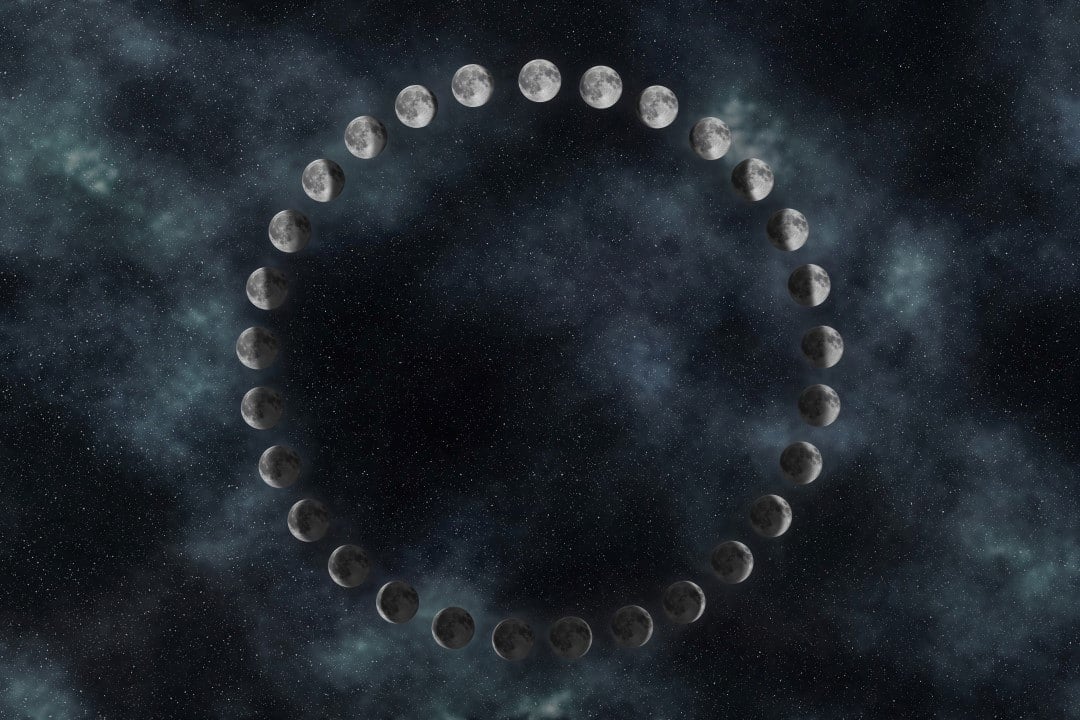
The second month of 2026 presents a dynamic astronomical scenario, marked by the immediate beginning of Lua Cheia on the first day. The natural satellite’s cycle follows its regular pattern of approximately 29 and a half days, known technically as a synodic month, completing all its stages within the monthly calendar itself. The transitions in luminosity and orbital positioning predicted for the period directly impact tidal behavior and sky observation activities throughout the national territory.
Especialistas and astronomy institutions highlight that the visibility of the phenomena will depend on local meteorological conditions, but the times calculated for phase changes are accurate and follow the official time zone of Brasília. The alignment of the stars this month provides different opportunities for both those looking for clear nights and those who prefer the darkness of Lua Nova to observe less bright stars.

Detailed timeline of lunar transitions
For observers who want to follow changes in the sky, the astronomical calendar defines exact moments for each of the four main phases. The cycle begins with full force in the satellite’s illumination and progresses to a gradual reduction in reflected light until the process begins again.
The official dates and times for phase changes in February are:
- Lua Cheia:Ocorre on February 1st, at 7:10 pm, time of maximum lighting.
- Room Minguante:Inicia occurred on February 9, at 9:44 am, reducing the visibility of the lunar disk.
- Lua Nova:Acontece on February 17, at 9:03 am, when the satellite becomes practically invisible at night.
- Room Crescente:Fecha the main cycle on February 24th, at 9:28 am, indicating the return of luminosity.
Gravitational impact and tidal phenomena
The orbital configuration of Lua in relation to Terra and Sol during February generates direct effects on the oceans, known as spring and neap tides. From Durante to Lua Cheia on the 1st and to
On the other hand, in the phases of Quarto Minguante and Quarto Crescente, the 90 degree angle formed between the Sol, the Terra and the Esse phenomenon, called neap tide, results in much smoother and more moderate sea level variations, stabilizing conditions on the seafront during the second and fourth week of the month.
Visibility conditions at Brasil
The observation of lunar phenomena in February will be favored in several regions of the country, especially in Norte and Nordeste, where the incidence of cold fronts tends to be lower at this time. The inaugural Lua Cheia offers the best moment for those using simple equipment, such as binoculars, allowing detailed viewing of lunar craters and seas due to the high contrast caused by direct sunlight on the satellite’s surface.
Já the phase of Sem the interference of lunar light, the night sky becomes darker and deeper, making it easier to identify celestial bodies that are normally overshadowed by the brightness of the natural satellite.
It is important to note that residents of large urban centers, such as São Paulo and Rio of Janeiro, may face viewing difficulties due to intense light pollution. Para a complete experience, it is recommended to travel to rural or remote coastal areas, where the horizon is clearer and the atmosphere interferes less with the propagation of starlight.
Importance of continuous monitoring
The systematic monitoring of the phases of Lua goes beyond visual curiosity, serving as a fundamental basis for various human activities, from agriculture to fishing and navigation. Institutos of meteorology and national observatories use this data to calibrate forecasts and better understand the atmospheric and oceanic dynamics that govern the planet’s climate, keeping historical records updated for future scientific research.



