
Toyota makes sixth generation RAV4 official with full hybrid system and profound visual renovation


The global automotive market receives confirmation of a significant update to one of the world’s best-selling sport utility vehicles. The Japanese automaker officially presented the sixth generation of its successful model, bringing a complete redesign that ranges from external aesthetics to the engine, now focused exclusively on hybrid sets to meet demands for energy efficiency and reduced emissions.
This new phase of the vehicle represents an aggressive strategy by the brand to maintain its leadership in the medium SUV segment. The changes are not just superficial; the platform has been improved to offer better drivability and technological integration, while the design adopts a bolder and more futuristic visual identity, in line with the manufacturer’s recent launches on the international scene.
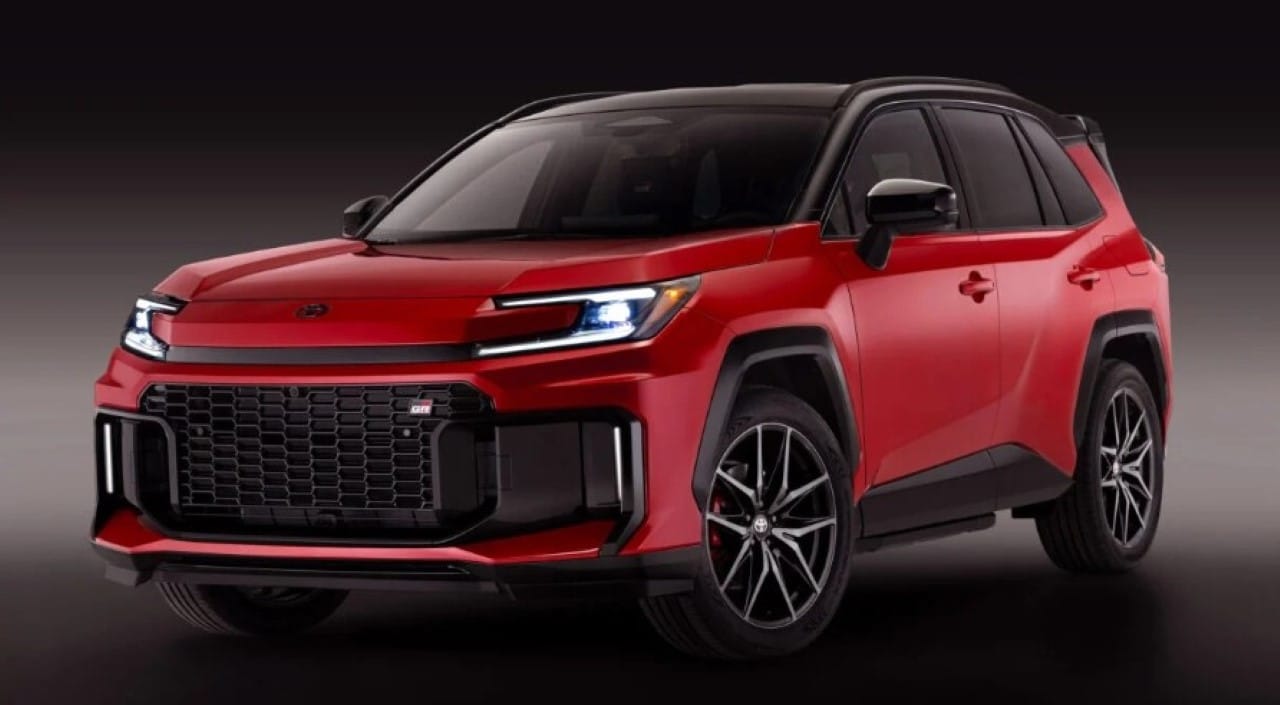
The arrival of the model to the Brazilian market is already on the radar, with arrival scheduled for the first half of 2026. The expectation is that the vehicle will maintain its reputation for robustness and reliability, but now with a technological package capable of rivaling the new electrified options that have flooded dealerships in recent years.
The development of this generation focused intensely on user experience and sustainability. By abandoning purely combustion versions in favor of conventional and plug-in hybrid systems, the automaker signals a clear commitment to the energy transition, without giving up the autonomy and practicality that have established the model among families on several continents.
Visual identity and external design
The aesthetics of the sixth generation break with conservatism and adopt the design concept known as “Hammerhead”, or hammerhead shark head. Esta visual language, already seen in other recent models of the brand, gives the SUV a more aggressive and aerodynamic appearance, characterized by sharp lines and a lowered front that improves air flow.
The front optical assembly is one of the highlights, featuring “C”-shaped LED headlights that harmoniously integrate with the front grille. Esta light signature not only modernizes the car’s face, but also improves nighttime visibility, contributing to active safety. At the rear, the headlights connected by an illuminated bar reinforce the perception of the vehicle’s width and stability.
The sides of the utility vehicle display striking creases and robust wheel arches, maintaining the adventurous essence that the model’s name conveys. However, the refinement is noticeable in the surface finish and the choice of new alloy wheels, which vary according to the version, balancing urban elegance with off-road capability.
Technological revolution in the interior
Upon entering the cabin, one notices a radical transformation aimed at digitalization. The analog instrument panel gives way to configurable high-resolution screens, allowing the driver to customize the information displayed according to the need of the moment, whether prioritizing navigation or the energy flow of the hybrid system.
The central infotainment system has received a massive upgrade, now operating on a 14-inch screen in its most complete versions. The interface has been simplified to be more intuitive, with fast touch responses and improved wireless connectivity for smartphones, eliminating the need for cables for application mirroring.
An important feature of this new system is the ability to receive “over-the-air” (OTA) updates. Isso means that the vehicle’s software can be improved remotely over time, correcting faults or adding new features without the owner having to visit a dealership, keeping the car always up to date.
The reduction of physical buttons on the center console contributes to a cleaner, more minimalist look. However, ergonomics have been preserved, ensuring that essential functions are within easy reach. The use of soft-touch materials and reinforced acoustic insulation raise the level of comfort on board, bringing the model closer to premium categories.
Performance and energy efficiency
Under the hood, the sixth generation bets all its chips on electrification. The main mechanical package combines a 2.5-liter combustion engine with powerful electrical units, resulting in a combined power exceeding 220 horsepower. Essa configuration guarantees vigorous acceleration and safe restarts on roads, without compromising fuel consumption.
The E-Four all-wheel drive system is a relevant technical difference. Utilizando an electric motor dedicated exclusively to the rear axle, the vehicle can distribute torque intelligently between the wheels, ensuring grip on slippery terrain or tight curves, without the mechanical complexity of a traditional driveshaft.
For consumers looking for even more efficiency, the plug-in hybrid version (PHEV) offers extended electric range. With higher capacity batteries, it is possible to travel more than 100 kilometers without using a drop of gasoline, ideal for daily commutes in the city. Esta version combines the best of both worlds: the silent driving of an electric car and the freedom of travel of a combustion car.
Advances in active security
Occupant and pedestrian protection received special attention with the introduction of the latest generation Safety Sense package. Sensors and cameras have been recalibrated to detect dangers with greater precision and in advance, acting autonomously to avoid collisions or mitigate their effects.
The pre-collision system is now capable of identifying pedestrians and cyclists even in low light conditions, a crucial development for urban nighttime safety. Além Additionally, adaptive cruise control has been refined to offer a smoother drive in traffic jams, reducing driver fatigue.
Another innovation is driver attention monitoring, which uses internal cameras to detect signs of tiredness or distraction. Caso the system notices that the driver is not focused on the road, audible and visual alerts are issued and, in extreme cases, the vehicle may initiate a controlled emergency stop.
Perspectives for the Brazilian market
The launch on the Brasil is eagerly awaited as the mid-size SUV segment is highly competitive. The estimated arrival for the first half of 2026 puts the model on a collision course with strong competitors, such as the Honda CR-V and the Volkswagen Tiguan, in addition to Chinese brands that have recently gained ground.
The automaker’s local engineering team is already working on the tropicalization of the project. Isso includes adjustments to the suspension to deal with the irregularities of Brazilian roads and, mainly, the calibration of the hybrid system to accept ethanol. Flex-hybrid technology is a strategic bet to further reduce the vehicle’s carbon footprint in the country.
Dealers have already started preparing to receive the news, with training focused on the new onboard technologies. Maintaining leadership and customer loyalty will depend not only on the product itself, but also on the quality of after-sales and the guarantee that technological developments have not compromised the historical durability associated with the brand.



