
AirPlay update releases videos in parked cars and improves driver safety


The integration between smartphones and automotive systems reached a new level with the recent software update made available by the North American technology giant. The newly implemented feature allows drivers and passengers to mirror video content directly to the vehicle’s dashboard screen, significantly expanding in-vehicle entertainment options. However, the functionality was designed to operate under strict guidelines, ensuring that leisure does not compromise the necessary attention in traffic.
Smart sensors and automatic locking
To ensure that the driver’s attention remains focused exclusively on the road while traveling, the system uses advanced digital communication with the car’s sensors. The engineering behind the novelty established a strict security protocol that prevents the display of moving images while the vehicle is not completely immobilized.
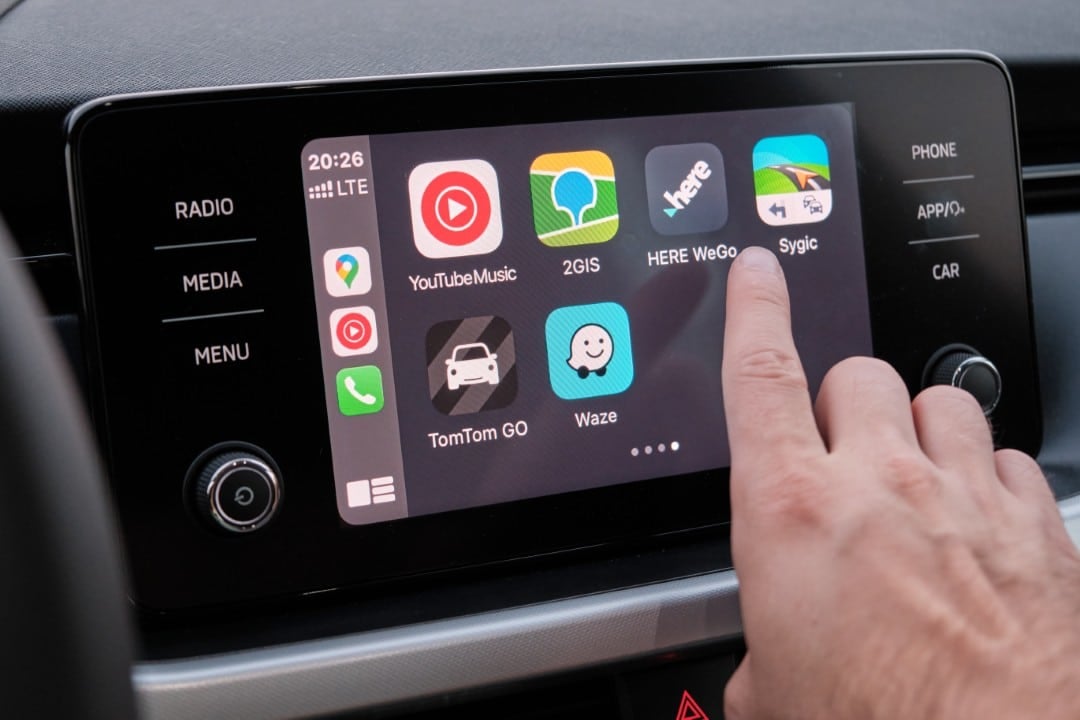
The operation of the technology depends on the validation of several mechanical and electronic parameters before releasing the video signal to the central screen. The system instantly checks the status of the gearbox and parking brake, creating a digital barrier against misuse. Caso any movement of the wheels is detected, the visual transmission is immediately cut off, leaving only the audio or standard navigation interface.
- Real-time monitoring of the position of the gear lever and handbrake.
- Immediate interruption of the video when detecting the beginning of vehicle movement.
- Absolute priority for navigation and audio interfaces while driving.
Time optimization in electric vehicles
This technological innovation speaks directly to the new demands generated by the electrification of the global fleet and the need to manage downtime. Proprietários of electric cars often face waiting periods during charging cycles at public stations, moments that can now be enjoyed with greater comfort.
Transforming the vehicle’s cabin into a temporary living room allows occupants to watch films, series and personal videos with the quality of the car’s sound system. The strategy aims to make the charging experience less monotonous, adding value to the time the driver spends in the stationary car, without the need to hold the mobile device or limit themselves to small screens.
Infrastructure and hardware compatibility
Effective implementation of this feature requires more than just an update to the phone’s operating system; it demands a compatible hardware infrastructure from automakers. Delay-free high-definition video transmission requires a robust, direct Wi-Fi connection between the device and the vehicle’s infotainment system, surpassing the capabilities of traditional Bluetooth connections.
Car manufacturers need to certify their equipment to guarantee fluid data exchange and immediate response to security protocols. Este movement puts pressure on the automotive industry to modernize its internal components, ensuring that new generations of vehicles leave the factory ready to support increasingly complex and integrated digital ecosystems.



