


Great Wall Motors (GWM) implemented an aggressive pricing strategy for the Brazilian market, specifically focusing on the Pessoas with Deficiência (PcD) segment. The medium SUV The movement positions a medium-sized vehicle in the same price range inhabited by compact models from other brands, changing the dynamics of competition in the sector.
This restructuring of values seeks to attract buyers who would traditionally opt for top-of-the-line versions of smaller SUVs, offering in exchange a car with larger dimensions and a more powerful engine. The initiative gained strength after presentations aimed at customers and mobility specialists, where the brand reinforced its commitment to keeping the mechanics unchanged, even with a reduction in the final cost.
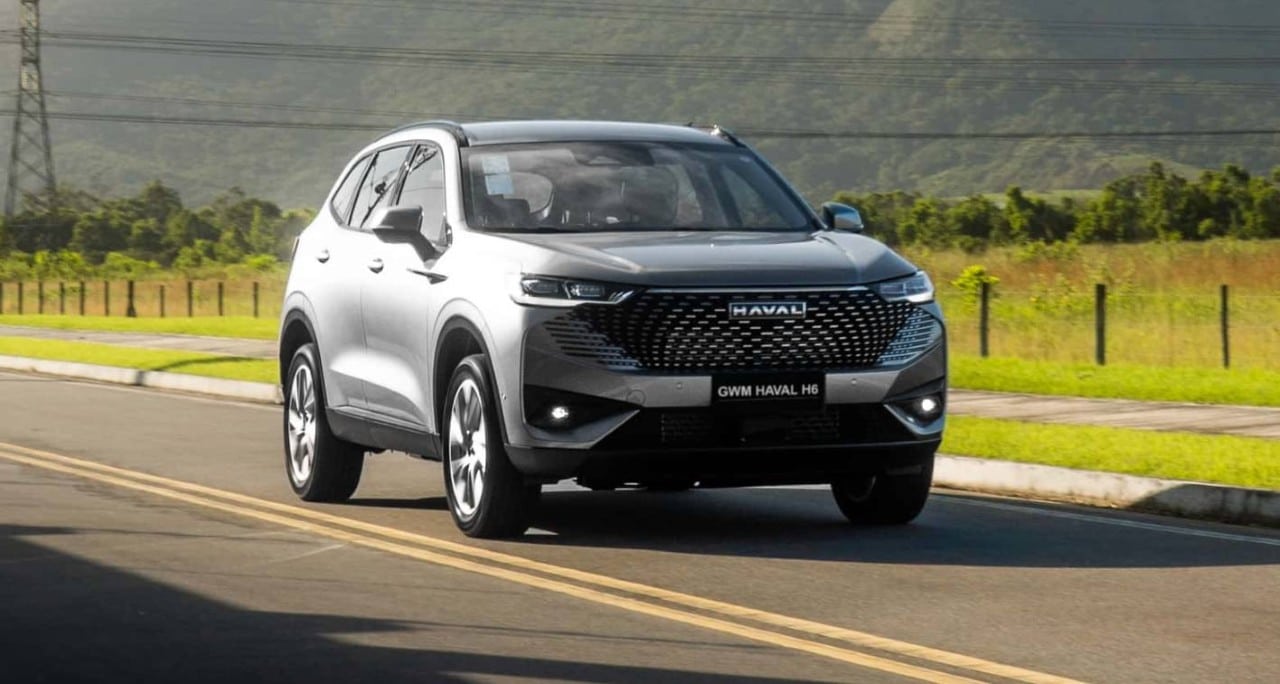
To make the new competitive price viable, the automaker made specific adjustments to the list of standard equipment, removing items considered to be of aesthetic convenience or unnecessary for safe driving, without affecting the vehicle’s main structure. The technical decision allowed the model to be placed in a more attractive tax and commercial range, preserving the technological essence that characterizes the H6 line in the country.
Power maintenance and mechanical assembly
One of the main differences of the version aimed at the PwD public is the full preservation of the hybrid powertrain. Diferente In addition to other market strategies that reduce power to reduce costs, the model continues to be equipped with a 1.5 turbo gasoline engine combined with an electric drive. Juntos, they deliver a combined power of 243 horsepower and a torque of 55 kgfm, figures significantly higher than the average for the compact segment.
The two-speed DHT transmission, developed specifically for hybrid systems, remains responsible for force management, ensuring linear accelerations and vigorous restarts. Performance from 0 to 100 km/h remains within 8 seconds, offering a dynamic response that favors both safety when overtaking and comfort on road trips.
In terms of energy efficiency, official data from Inmetro points to a consumption of 14.7 km/l in the urban cycle and 11.4 km/l on highways. The ability to run in purely electric mode at low speeds and in heavy traffic situations directly contributes to fuel savings, making the cost per kilometer driven an additional attraction for the owner.
Adjustments to standard equipment
The specific configuration for PwD required the removal of some components to reach the desired price ceiling. The most visible change is the absence of the panoramic sunroof, an item with high production and maintenance costs. Além In addition, the Head-up display (HUD), which projects information onto the windshield, and the front and rear parking sensors were removed from this version.
Despite these removals, GWM maintained technologies fundamental to the user experience:
- Camera with 360-degree vision to assist with maneuvers;
- Automatic parking assistant (Park Assist);
- Two-zone digital air conditioning;
- 50W induction cell phone charger;
- Sound system with 8 speakers;
- 19-inch alloy wheels.
The maintenance of full-LED headlights and external design ensures that, visually, the car remains identical to conventional versions sold to the general public. The strategy focuses on delivering a product that does not look like a “basic version”, but rather a rationalized option.
Driving safety and assistance
Active and passive security were not cut in the transition to the PCD offer. The level 2 ADAS package (Systems Avançados from Assistência to Adaptive cruise control (ACC), which adjusts speed according to the traffic ahead, and lane keeping assistant are standard features.
The autonomous emergency braking system, capable of detecting pedestrians, cyclists and other vehicles, operates fully. The chassis structure, built with high-strength steel, and the complete set of airbags guarantee physical integrity in the event of collisions, maintaining the good evaluations obtained in international impact tests.
Another preserved feature is blind spot monitoring, which works together with the 540-degree camera (360 view plus chassis transparency) to eliminate areas of visual risk while driving. Para drivers with reduced mobility, these technological assistance represent not only comfort, but an extra layer of autonomy and safety in daily traffic.
Connectivity and internal comfort
The interior of the Haval H6 HEV maintains the standard of technological finishing, with emphasis on the digital screens. The 12.3-inch multimedia center dominates the dashboard, offering wireless connectivity for Android Auto and Apple CarPlay, while the 10.25-inch digital instrument panel provides all driving information in a clear and customizable way.
Ergonomic comfort is ensured by seats covered in ecological leather, and the driver’s seat has electrical adjustments, facilitating ideal positioning for different body types. The internal space, benefiting from the wheelbase of 2.73 meters, offers generous accommodation for rear seat passengers, surpassing the space found in compact SUVs.
Embedded technology also allows for remote (Over-the-Air) software updates, ensuring that the vehicle’s operating system remains up to date without the need for frequent visits to the dealership. The brand’s proprietary app allows control of various functions via smartphone, adding convenience to daily use.
Market positioning and competition
With a price set at R$164,990, the Haval H6 HEV is on a direct collision course with top-of-the-line versions of compact SUVs such as the Volkswagen T-Cross, Chevrolet Tracker and The value proposition is based on delivering a superior size and hybrid engine for the price of smaller combustion vehicles.
The expansion of the dealership network and the nationalization of production in Iracemápolis reinforce the brand’s commitment to the Brazilian market. The availability of parts and after-sales service are points that GWM has been working on to consolidate consumer confidence, especially in the PwD segment, which requires agility and specialized support.
The growth in demand for electrified vehicles in the Brasil creates a favorable scenario for this strategy. By reducing the financial entry barrier for a mid-size hybrid, the automaker not only increases its potential sales volume, but also accelerates the technological transition of the national fleet, offering a more efficient and less polluting alternative for a public that seeks rational purchasing.



