
Kawasaki Z1100 arrives in the country with a 1,099 cm³ engine and advanced electronics package for riders By Luís Henrique Costa
3 min read
 |
The Kawasaki Motores of the Brasil officially expanded its high-displacement portfolio with the confirmation of a new model for the national market. Prevista to be available in the dealership network from February, the motorcycle arrives to replace the old lineage of the Z family in the supernaked category. The manufacturer is betting on the evolution of the “Sugomi” design concept and a comprehensive mechanical redesign to compete more aggressively in the premium segment, seeking to serve both urban motorcyclists and those who prioritize performance on highways.
The main focus of the update lies on the mechanical assembly, which has undergone significant re-engineering to deliver greater volumetric capacity. The four-cylinder in-line engine was enlarged to 1,099 cm³, a change achieved by increasing the piston stroke, which increased from 56 mm to 59 mm. Essa physical change in the propellant results in a more robust power delivery, totaling 136 horsepower of maximum power.
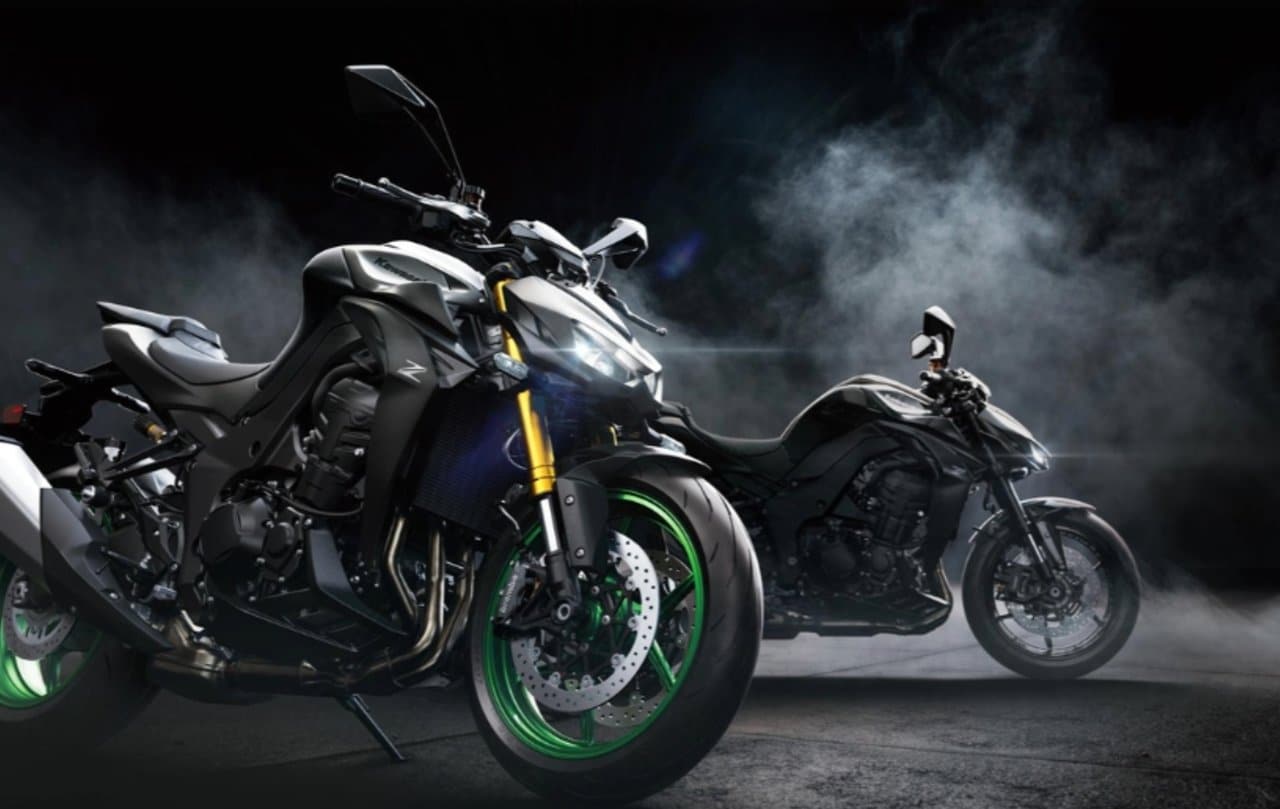
In addition to the raw power, the torque also benefited from the modifications, reaching 11.5 kgfm. Para To manage these numbers and ensure efficient fuel burning, the intake system has been completely renewed, working together with optimized valves that facilitate the flow of gases and improve throttle response at different speed ranges.
Electronic and cycling management
The introduction of an advanced technology package was necessary to tame the engine’s new performance. The central system is based on a six-axis Unidade (IMU), which monitors the inclination and dynamic behavior of the bike in real time. Esse feature acts directly on safety assistants, such as traction control and the ABS braking system, which now incorporates management functionality during curves, increasing safety in risky maneuvers.
Drivers will have four different riding modes available, allowing them to customize the engine’s response and the level of intervention of the electronic systems according to the scenario, whether on rainy days or on dry asphalt. In the structural part, the Kawasaki maintained the double-spar aluminum chassis, known for its rigidity, and equipped the front with a large piston SFF-BP suspension, guaranteeing stability under sudden braking.
Another relevant mechanical change occurred in the transmission, where the fifth and sixth gear ratios were lengthened. The strategy aims to reduce engine speed at cruising speeds, which translates into greater vibrational comfort for the pilot on long journeys and an optimization of fuel consumption.
SE version differences and connectivity
To serve the public that demands competition components, the brand will also bring the Z1100 SE version. The Esta variant is distinguished by the use of high-performance items, including Brembo front brake calipers, model Stylema, and a rear suspension set with Öhlins S46 shock absorber, which offers remote preload adjustment. The front of the SE version also receives special treatment, with gold outer tubes and refined internal adjustments for a more accurate reading of the ground.
In terms of human-machine interface, both versions leave the factory with a new 5-inch color TFT panel. The display offers full integration with smartphones via the Rideology app and Bluetooth connection. The system allows you to view call and message notifications, in addition to recording piloting telemetry data. The update also includes support for voice commands and turn-by-turn navigation, aligning the riding experience with the connectivity needs of modern motorcyclists.











