Square Enix ends exclusivity and confirms simultaneous release of Final Fantasy VII Part 3 on Xbox

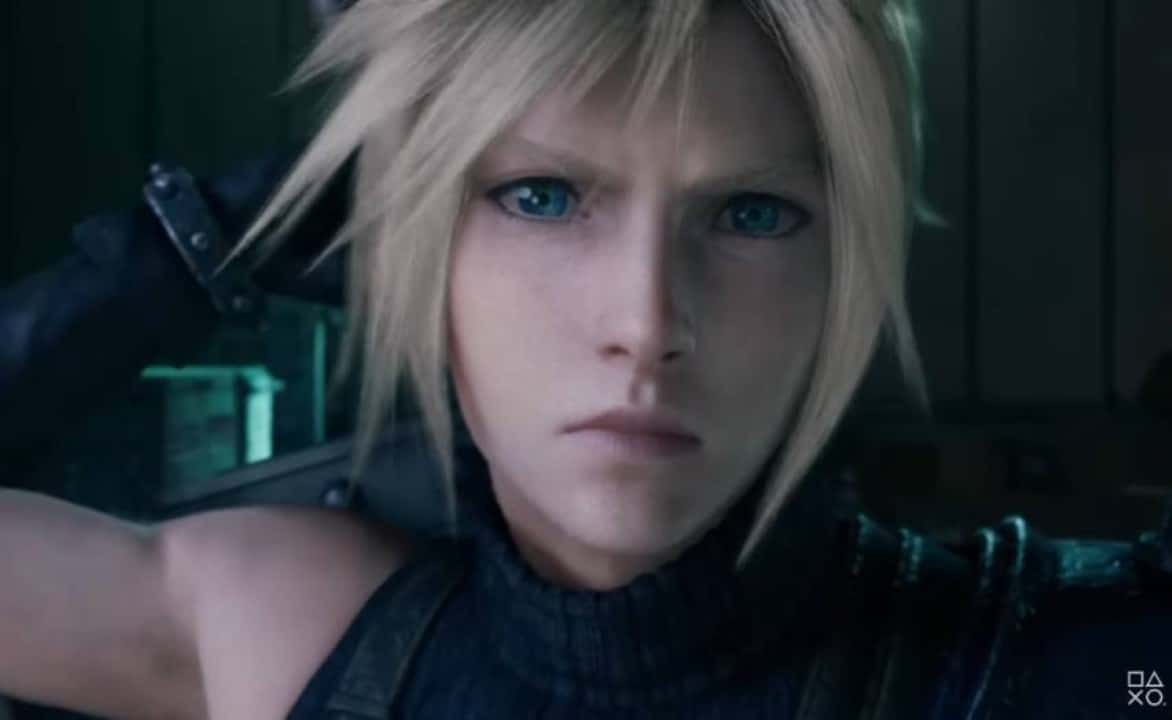
Square Enix has officially made a drastic and historic change in its distribution strategy for the long-awaited conclusion of the trilogy that recreates the 1997 classic. The Japanese studio confirmed that the third and final part of the remake project will not follow the temporary exclusivity model adopted in the previous two titles. Desta time, the launch will take place simultaneously on PlayStation 5, Xbox Series X|S and PC, marking a new era for the franchise that, for years, has maintained close ties with the Sony ecosystem.
This decision represents a significant departure from the commercial tactics used during the publication of Remake and Rebirth, which first arrived on PlayStation consoles before being ported to computers months or years later. The new approach aims to eliminate the waiting gap between platforms, allowing a much wider player base to access the title on the first day of sales. The confirmation aligns with recent statements from the company’s management, who expressed a desire to maximize revenue through aggressive multiplatform launches.

The strategic move comes after internal analyzes of the commercial performance of the second chapter of the saga. Embora Critically acclaimed, initial sales figures indicated that hardware constraints may have limited the product’s profit potential in an increasingly diverse market. By including the Xbox ecosystem and PC on opening day, the developer hopes to mitigate the financial risks associated with the high production costs of a modern AAA title.
For consumers, the news ends years of speculation about the franchise’s arrival on Microsoft consoles. The barrier to entry imposed by temporary exclusivity forced many enthusiasts to purchase a specific console or wait long periods to play. Agora, the unification of the release calendar promises to democratize access to the outcome of the story of Cloud Strife and his allies against the threat of Sephiroth.
New commercial guideline seeks to expand global reach
The restructuring of Square Enix’s release policy reflects a broader trend in the games industry, where inflated development costs require a faster and larger return on investment. Exclusivity, previously seen as a guarantee of financial and marketing support by console manufacturers, began to be reevaluated in light of the need to reach the largest possible number of global consumers instantly.
Executives at the Japanese company noted that the fragmentation of the user base hurt the sales momentum of previous titles. By restricting initial access to PlayStation 5 only, a significant portion of the consumer market, specifically PC and Xbox users, was left out of the initial conversation and engagement cycle, which directly impacts the long tail of sales. The cross-platform strategy aims to correct this course, ensuring the game’s launch is a unified global event.
In addition to the financial aspect, the decision strengthens the brand’s presence in the West, where the PC and Xbox have robust installed bases. Microsoft has been actively working to attract major Japanese franchises to its ecosystem, and the simultaneous arrival of one of the most important RPGs in history is seen as a significant victory for the technology giant’s gaming division, which seeks to diversify its catalog with deep narrative experiences.
Technical challenges and cross-platform parity
Simultaneous development for three distinct hardware architectures poses new challenges for the production team led by Yoshinori Kitase and Naoki Hamaguchi. The need to ensure that the game runs with acceptable visual fidelity and performance on both the PlayStation 5 and the Xbox Series X and on various PC configurations requires much more complex optimization work than that focused on a single platform.
The technical team is using the latest versions of Unreal Engine to ensure that the graphical quality, a hallmark of the remake trilogy, is maintained on all systems. The objective is to avoid significant technical disparities that could generate negative comparisons between versions. Recursos as fast loading via SSD, essential for the seamless experience of the game world, are being adapted to take advantage of the storage specificities of each console.
The desktop version, in particular, will receive special attention to support upscaling technologies like DLSS and FSR from launch. Isso é fundamental para garantir que o jogo rode de maneira fluida em uma variedade maior de hardware, não se limitando apenas às máquinas de última geração mais potentes. Technical parity is considered crucial for critical reception to be uniform regardless of where the consumer chooses to play.
The end of the saga and fan expectations
Narratively, the third part promises to be the most ambitious of all, connecting the loose ends left by the previous games and offering a definitive conclusion to the reinterpretation of the original story. The developers have confirmed that the Highwind airship will be fully functional, allowing aerial exploration of the world map, a technical feature that directly benefits from the processing power of current generation consoles and PCs.
The inclusion of all final narrative content without additional cuts or divisions is a promise from the creative team. The game is set to address the final events of the 1997 original, including the decisive confrontation at Norte and the resolution of iconic character arcs like Tifa, Aerith, and Zack. The expectation is that the creative freedom adopted in the “Remake” project will bring surprises even for veterans of the series, maintaining the emotional essence that defined the classic.
With the simultaneous release, the gaming community will be able to experience these final moments together, without the risk of spoilers resulting from staggered releases. The unification of the fan base at the time of premiere creates an environment conducive to engagement on social media and streaming platforms, amplifying the game’s cultural impact and serving as a powerful organic marketing tool for Square Enix.
Impact on the market and future of exclusives
Square Enix’s decision to abandon exclusivity with Sony for this specific title raises questions about the future of partnerships between major third-party studios and console manufacturers. Durante years, the Final Fantasy franchise was a pillar of hardware sales for the PlayStation line. The loss of this exclusivity, even if just for one title, signals that developers are prioritizing their own financial sustainability above historical loyalties.
Para to For Microsoft, it is validation of its strategy of making Xbox a place where all games are welcome, breaking the perception that the console lacks support from major Japanese developers.
The market is closely watching the results of this change. If the simultaneous release of Final Fantasy VII The total exclusivity model may become increasingly restricted to studios that belong directly to console manufacturers, while large independent productions seek ubiquity to justify their astronomical budgets.