

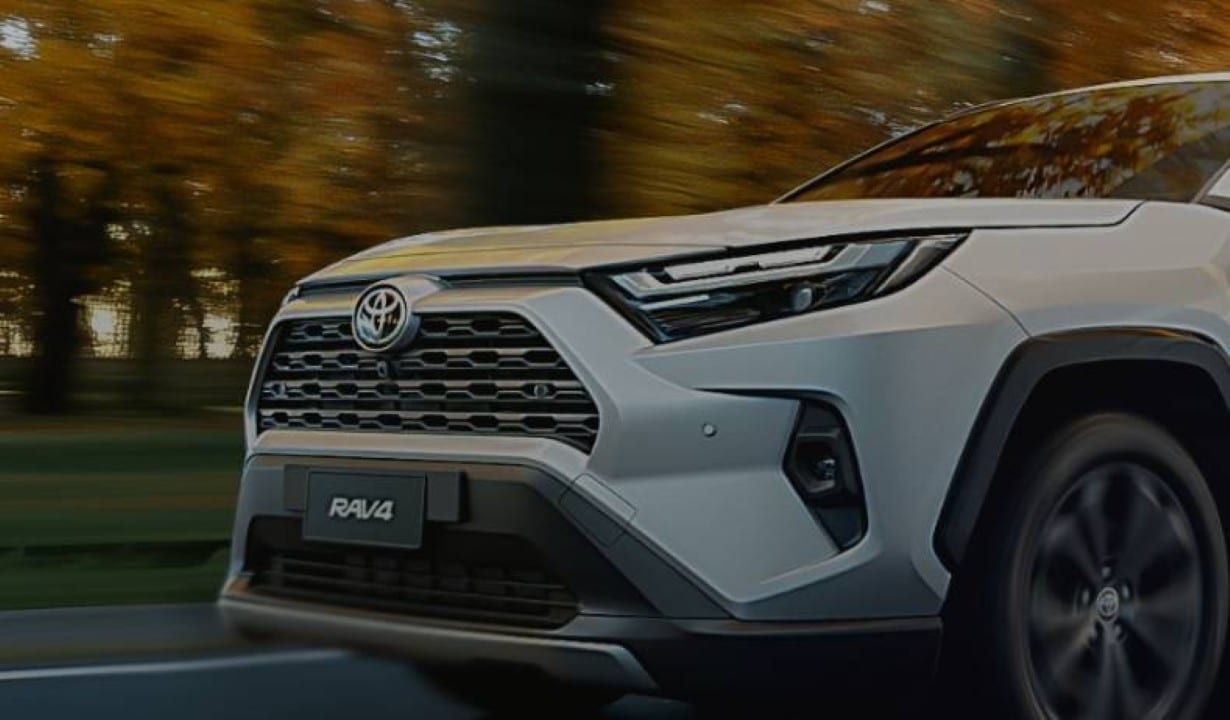
Toyota confirmed difficulties in meeting initial demand for the new RAV4 Hybrid 2026 in several global markets, generating waiting lines at dealerships and extended delivery times. The shortage arises from the complete redesign of the model, which now adopts a hybrid engine as standard in all versions, requiring complex and time-consuming adjustments on the Japanese automaker’s assembly lines and supply chain.
The significant increase in demand for electrified vehicles, driven by consumers’ search for energy efficiency and reduced fuel costs, coincided with the period of manufacturing transition to the new generation. The SUV, which remains one of the best-selling SUVs on the planet, now faces the logistical challenge of balancing limited production capacity with the renewed interest generated by the new design and consumer specifications.
Industrial adjustments and manufacturing priorities
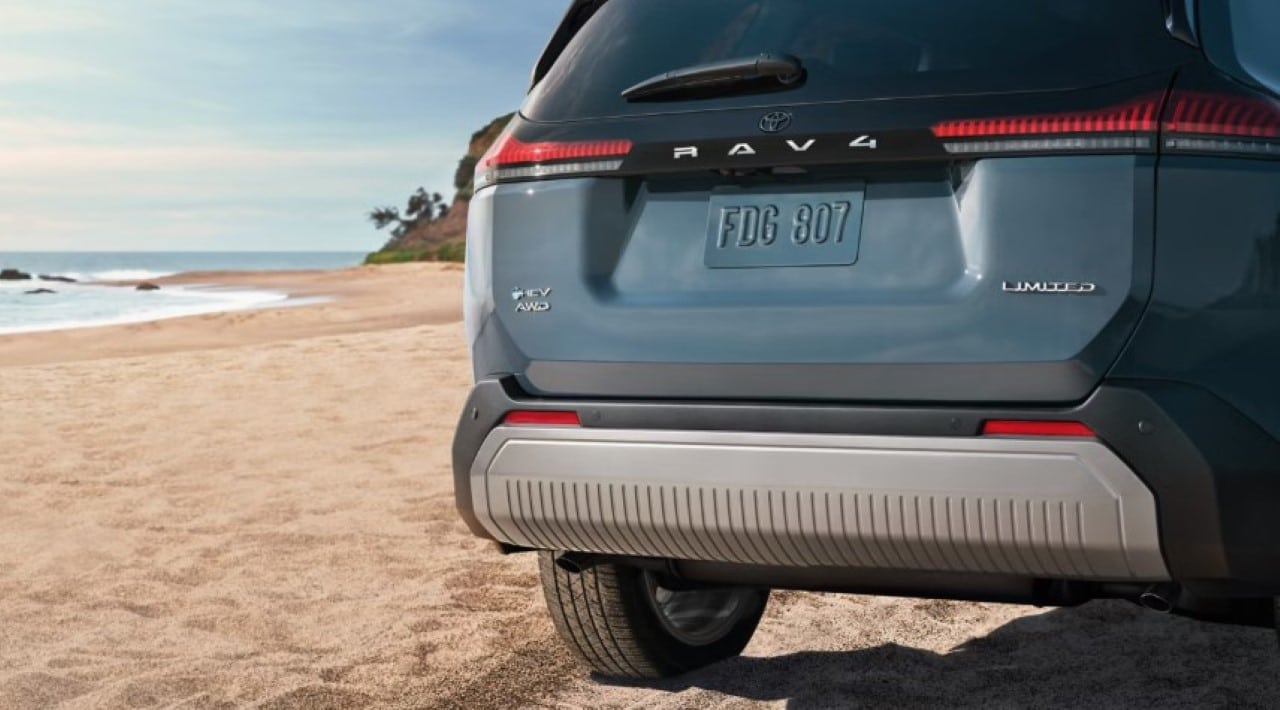
The migration to an exclusively hybrid platform in the 2026 cycle forced Toyota to make significant modifications to its industrial plants to accommodate new technologies. The process of integrating electric propulsion systems with combustion engines requires a longer assembly time than previous generations, resulting in a lower initial delivery volume than usually recorded in major launches of the brand.
In addition to the technical complexities inherent to the new drive system, the manufacturer has also directed resources and components to other strategic segments, such as the line of pickup trucks and commercial vehicles. Essa alocação de capacidade produtiva acaba por limitar, momentaneamente, a velocidade de reposição dos estoques do RAV4, criando um cenário de oferta restrita justamente no momento de maior curiosidade do público e da mídia especializada sobre o lançamento.
Technical specifications and attractions of the model
The new mechanical package of the 2026 RAV4 combines a 2.5-liter engine with auxiliary electric thrusters, delivering a combined power of 169 horsepower focused on efficiency. Official data indicate an impressive average consumption, capable of reaching around 18 kilometers per liter (43 mpg) in a mixed cycle, which positions the model as a reference in economy within its size and weight category.
Autonomy is one of the strong points highlighted by the brand’s engineering, with the vehicle capable of traveling more than 1,000 kilometers on a single tank of fuel, depending on driving conditions and terrain. The suggested starting price, around $31,900 for the North American market, keeps the SUV competitive against rivals that surpass the $50,000 barrier, further increasing the pressure on available stocks.
- Energy efficiency validated by new cycles of driving tests on urban roads and highways.
- Optimized and versatile internal space to accommodate five occupants in comfort.
- Modernized exterior design with more aggressive and aerodynamic lines than the previous generation.
- Resale value preserved by the brand’s high reputation for durability and low maintenance.
Alternatives suggested by the dealership network
Given the prolonged waiting scenario, the corporate guideline for resellers has been to present immediate options within the Toyota portfolio so as not to lose sales. The Corolla Cross Hybrid appears as the main alternative for those looking for an SUV with similar technology, offering ready delivery in many markets and an equipment package that rivals the entry-level version of its bigger brother.
For customers who don’t compromise on space and superior comfort, the Camry Hybrid has been positioned as a viable solution, especially for families who value performance on paved roads. The strategy aims to prevent the migration of buyers to competing brands, keeping consumers loyal to the Japanese manufacturer’s service and warranty ecosystem while RAV4 production does not reach its operational peak.
Commercial performance and expectations
The model’s sales history reinforces the importance of normalizing stocks as quickly as possible to maintain hegemony in the sector. Apenas in the previous year, the vehicle registered more than 479 thousand units sold in selected markets, consolidating its absolute leadership. The bet on total hybridization is seen by analysts as a bold and necessary move to comply with environmental regulations without sacrificing the practicality that made the car a global success.
The expectation is that the distribution flow will stabilize over the next few months of 2026, as factories reach the ideal cadence. Até there, managing customer expectations and offering temporary substitute products will be crucial for Toyota to maintain its market share in a segment increasingly contested by Chinese and European automakers that are also investing in electrification.
Main keywords:Toyota RAV4 2026, hybrid production, SUV sales, Corolla Cross Hybrid.
Long-tail keyword:stock shortage of the new Toyota RAV4 Hybrid 2026.
Sources researched:
https://www.toyota.com/rav4/
https://www.caranddriver.com/toyota/rav4-hybrid
https://www.motor1.com/news/toyota-rav4-production-updates/



