

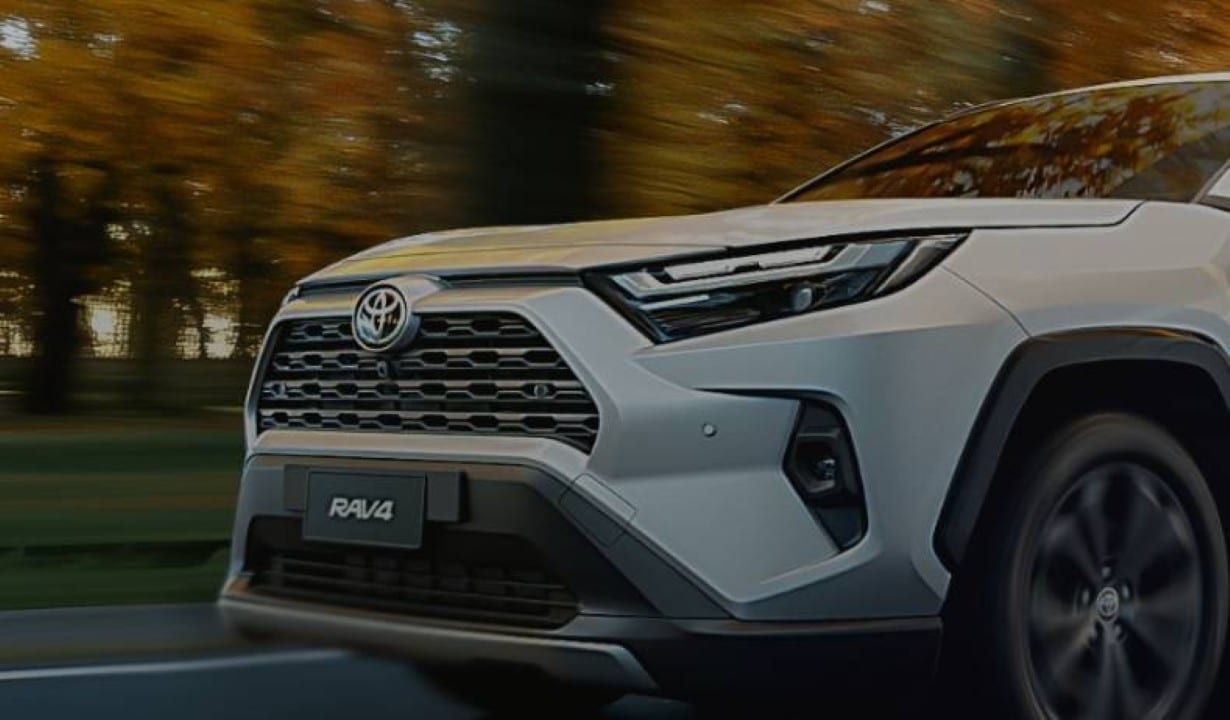
Consumers interested in the new generation of the most popular SUV from Toyota are finding it difficult to close a deal at the beginning of the year. The Japanese automaker faces a significant logistical and production bottleneck after deciding to transform the entire model line into exclusively hybrid vehicles, eliminating combustion-only versions. Essa strategic change, although aligned with global decarbonization goals, generated an immediate mismatch between high demand at dealerships and the delivery capacity of factories.
The situation requires patience from buyers, as the volume of units available on the forecourts is considerably lower than the demand recorded in recent weeks. The dealer network has already been instructed to manage public expectations by informing about extended lead times while the supply chain stabilizes.
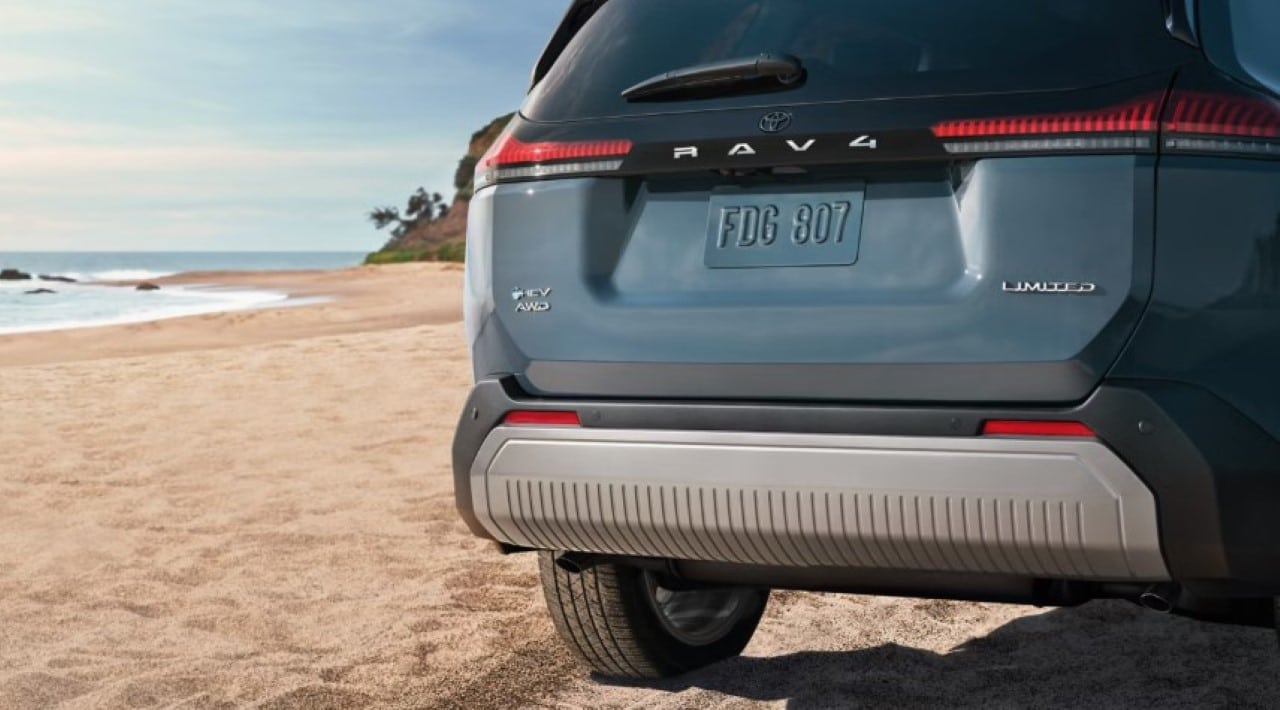
The transition movement occurs precisely in a period where the search for energy efficiency dominates drivers’ preference. The model, which has historically led global sales in its segment, now faces the challenge of maintaining its market position with limited stocks during this crucial launch phase.
Adaptations in manufacturing reduce initial pace
The technical complexity involved in manufacturing electrified vehicles is one of the main factors for the current slowness. The assembly lines had to undergo extensive redesigns to accommodate the standard installation of the new hybrid powertrain in all units, a process that requires more time and precision than the production of the old gasoline versions.
In addition to technical issues, the automaker’s resource allocation strategy also influences availability. Atualmente, part of the manufacturing capacity is directed to other segments, such as pickup trucks, which restricts the total volume dedicated to the compact SUV at this first moment. The company works to adjust this balance and accelerate the pace as industrial processes become more fluid.
Specifications and efficiency of the new model
The vehicle hits the market with a proposal focused on fuel economy, combining a 2.5-liter engine with two electric propellants. The mechanical package delivers a total power of 169 horsepower, a number that reflects the prioritization of efficiency over raw performance in this new configuration.
In terms of consumption, the data is attractive for daily use, with averages of around 18 kilometers per liter in combined conditions. Autonomy is guaranteed by a 14.5-gallon tank, allowing it to travel more than 1,000 kilometers without the need for refueling, a feature valued by those who use the car both in the city and on trips.
The design has also been updated, featuring more modern lines that break with the aesthetics of the previous generation. Mesmo with technological and visual innovations, the initial price was maintained at a competitive level, close to 31,900 dollars in the North American market, positioning it well below the average value of new vehicles.
Strategies to overcome stock shortages
Faced with the impossibility of immediate delivery of the main launch, dealerships adopted tactics to avoid losing sales. The official guidance is to direct customers’ attention to other brand products that have immediate availability and similar technologies.
Sellers have highlighted alternative options within the manufacturer’s own portfolio. The aim is to show that the reliability and economy sought in the missing SUV can be found in other hybrid models that do not currently suffer from the same production restrictions.
- Corolla Cross Hybrid as a direct option for those looking for a compact SUV.
- Camry Hybrid for customers who prioritize comfort and interior space in a sedan.
- Prius for those who want the ultimate reference in hybrid technology.
- Highlight for maintaining the sales flow through diversification of the offer.
Outlook for the market in 2026
Despite the initial obstacles, the projection is that the situation will normalize over the next few months. The automaker closely monitors orders and gradually adjusts its production capacity to meet the pent-up volume, betting that the brand’s reputation for durability will maintain consumer interest even with the wait.
Automotive industry analysts note that while the stock shortage is a temporary setback, the decision to make the model 100% hybrid strengthens the company’s long-term position. The competition is also advancing in electrification, but the combination of affordable price and low consumption keeps the vehicle as a benchmark that is difficult to beat in the sports utility vehicle segment.



