High demand and lack of chips lead Toyota to interrupt SUV orders with gradual return expected
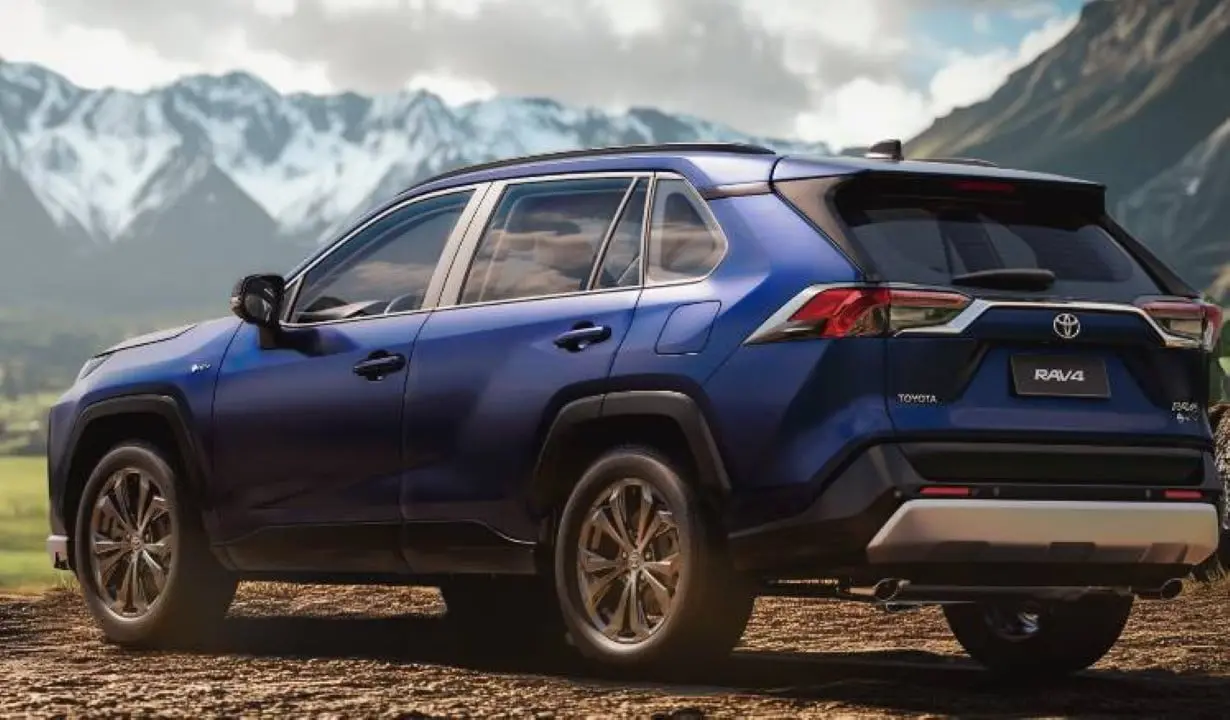
The Japanese automaker has officially suspended new orders for one of its most sought-after sports utility vehicles on the global market. The drastic measure was taken in response to persistent supply chain instability, specifically the shortage of critical electronic components that continues to challenge the automotive industry and limit the manufacturing capacity of major brands.
Priority for pending deliveries and schedule
The central focus of this strategic disruption is to ensure that customers who have already placed their orders receive their vehicles within an acceptable timeframe. The company identified that backlog of orders, combined with parts shortages, was extending delivery dates into unsustainable periods. The most affected versions are the top-of-the-line configurations, known as “Z” and “Leather Package”, which require a greater quantity of semiconductors for their advanced systems.
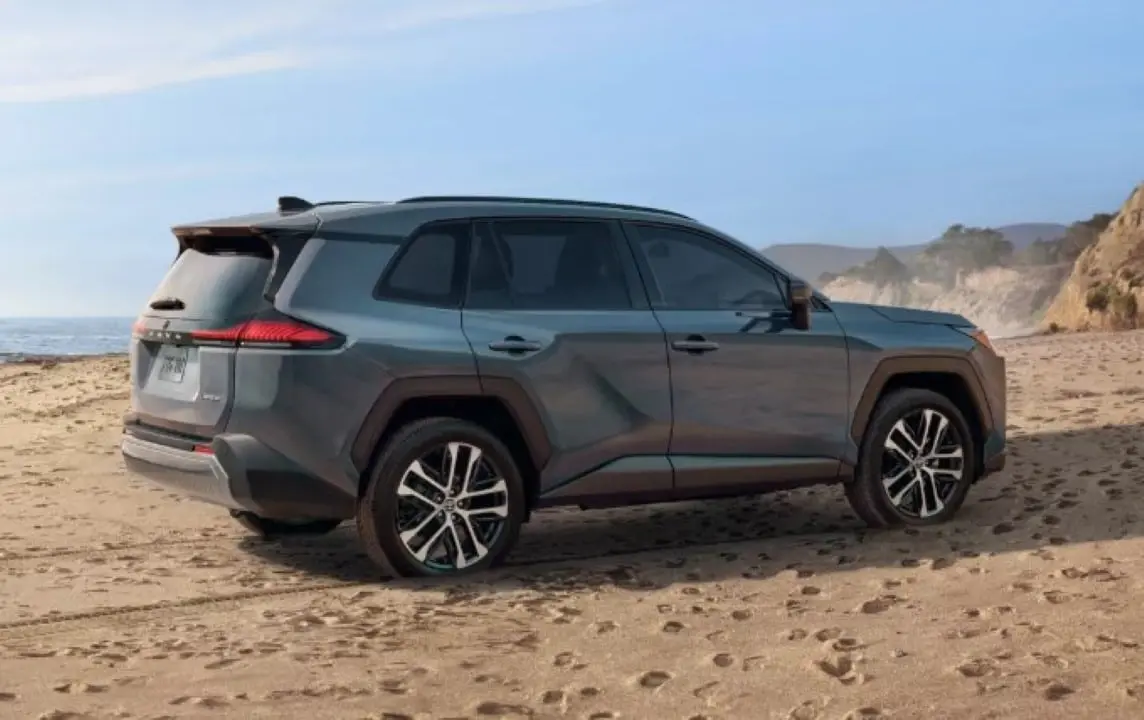
The company’s expectation is to normalize the production flow and reopen the order book only in the second half of this year. Até there, the strategy involves rigorous management of the stock of components available to complete the units that are already in the assembly queue, thus avoiding delivery promises that could not be fulfilled in the short term.
Ripple effect on the used car market
The unavailability of brand new models generated an immediate reaction in the used vehicle market. With the interruption of sales at dealerships, consumers eager to purchase the model turned their attention to pre-owned units, causing an atypical appreciation. In many cases, low-mileage models are being traded at prices higher than the list prices for new models, driven by the law of supply and demand and the advantage of immediate delivery.
Industry analysts point out that this phenomenon reflects the high attractiveness of the vehicle, which combines energy efficiency and modern design. The scarcity of new stock ends up transforming the car into a highly liquid asset, keeping the market heated even in the face of the factory’s production restrictions.
Leia Também



Technological challenges of the TNGA platform
The model in question is built on the acclaimed TNGA (Toyota New Global Architecture) platform, specifically the GA-K variant, designed to offer a low center of gravity and high torsional rigidity. However, the technological sophistication of this architecture requires a complex ecosystem of sensors and chips to manage everything from driving dynamics to active safety systems.
The “Toyota Safety Sense” safety package, which integrates radar and cameras for functions such as automatic emergency braking and adaptive cruise control, is one of the items that most depends on missing components. Além In addition, the hybrid system, which combines a 2.5-liter engine with electric propellants, requires precise electronic management to switch between energy sources and guarantee the promised fuel efficiency, making production hostage to the regularization of the supply of semiconductors.