


Tata Motors maintains its aggressive strategy in the Asian market with the positioning of the Tata Punch, a vehicle that attracts global attention due to its reduced cost. The model, classified as a compact crossover, is sold at Índia with a starting price equivalent to 5,300 euros, a value significantly lower than the global average for the sports utility vehicle segment. Essa pricing reflects an adaptation to local standards and an optimization of production costs aimed at serving the region’s emerging middle class.
With contained dimensions, the car measures 3.82 meters in length, which facilitates maneuverability in large congested urban centers. Apesar Due to its reduced size, the vehicle’s engineering prioritized the ability to tackle uneven terrain, a common need on Indian roads, giving the car a ground clearance of 19 centimeters.
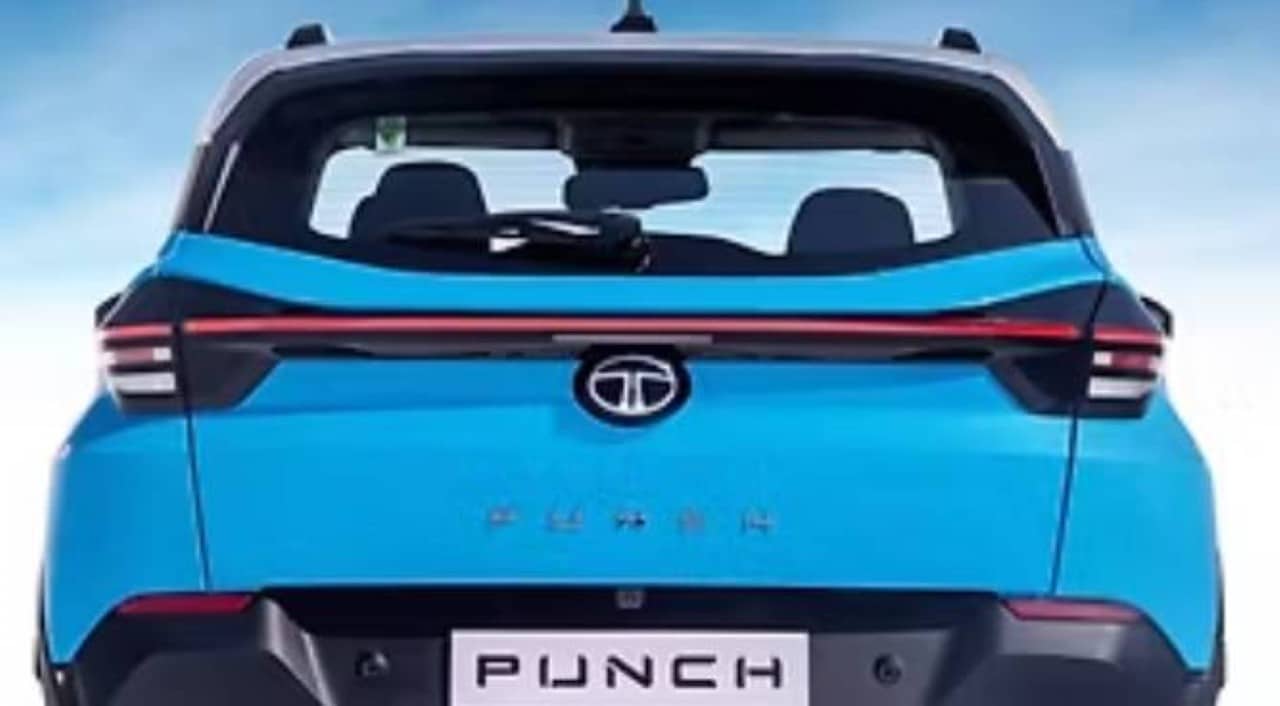
The technical specifications of the entry-level version focus on efficiency and low maintenance costs, presenting essential features for daily use:
- 1.2 liter petrol engine with natural aspiration.
- Power of 87 horsepower in the basic configuration.
- Manual or automated transmission (AMT) options.
- Robust design with raised front grille.
The commercial success of the project is evident in the sales figures, consolidating the manufacturer as one of the leaders in the compact sector. The combination of adventurous aesthetics with urban practicality transformed the model into a benchmark for accessibility, attracting consumers looking for the robustness of an SUV without the high costs traditionally associated with the category.
Design and use of internal space
The look of the Tata Punch was developed to convey a feeling of robustness that is superior to its actual size. Linhas muscular and marked wheel arches make up the vehicle’s aesthetics, while the headlights divided into two levels follow a contemporary design trend. The wide front grille visually connects to the LED daytime running lights, creating a distinctive light signature that broadens the car’s perceived width.
Internally, the focus is on functionality and intelligent use of available space. The cabin accommodates up to five passengers, with a layout that favors ergonomics and driver visibility. The trunk offers enough volume for everyday demands, and the finish, although simple, uses textures that seek to increase the perception of quality, including colored details on the dashboard that vary depending on the version chosen.
Engine options and performance
The compact utility’s powertrain line was designed to offer a balance between fuel economy and urban performance. The standard engine is the three-cylinder 1.2 Revotron, which delivers 87 horsepower and 115 Nm of torque. Este conjunto mecânico pode ser acoplado a uma caixa manual de cinco velocidades ou a uma transmissão automatizada, sendo capaz de atingir médias de consumo entre 18 e 20 km/l em condições ideais de rodagem, conforme os ciclos de teste locais.
To satisfy consumers who demand greater agility, the manufacturer introduced a turbocharged variant of the same block. Esta configuration increases power to 118 horsepower, providing more vigorous restarts and greater safety when overtaking on the highway. The turbo version is offered exclusively with manual transmission, reinforcing the appeal for drivers who prefer a sportier feel within the limitations of the segment.
Electrification and technological advances
The expansion of the line includes the Punch.ev, an all-electric version built on a dedicated architecture that allows for greater energy efficiency and optimized weight distribution. The electric model stands out for offering a range that can reach 421 kilometers in the Indian test cycle, depending on the battery chosen, which makes it viable not only for urban travel, but also for short intercity trips. The electric propulsion system delivers instant torque, surpassing combustion versions in acceleration, and has support for fast charging, minimizing downtime at charging stations. With a starting price close to 12 thousand euros, the electric variant maintains the brand’s philosophy of accessibility, positioning itself as one of the cheapest options in the world for those who want to migrate to sustainable mobility without giving up the SUV body.
Safety and standard equipment
Vehicle safety has been a central pillar in Tata Motors’s marketing strategy for this model. The vehicle achieved a maximum score of five stars in the Bharat NCAP crash tests, Índia’s new car assessment program. The reinforced structure demonstrated high impact absorption capacity, effectively protecting both adult and child occupants.
The standard and optional equipment package includes items that are rarely found in vehicles in this price range. The most complete versions have six airbags, electronic stability control (ESC), ABS brakes with electronic brake distribution (EBD) and a tire pressure monitoring system. Driver assistance technology is also present with parking sensors and a reversing camera.
In terms of connectivity, the model is not behind more expensive competitors. The center stack can house touchscreens up to 10.25 inches, with wireless integration for Android Auto and Apple CarPlay. The configurable digital instrument cluster and premium sound system with multiple speakers complete the list of technological conveniences.
Market positioning and competition
The Indian market received the Tata Punch with enthusiasm, resulting in more than 600,000 units sold in less than four years of production. Esse expressive volume validates the brand’s bet on a micro-SUV that fills the gap between entry-level hatchbacks and traditional compact utility vehicles.
Direct competition includes models such as the Hyundai Exter and the Maruti Suzuki Ignis, which compete for the same consumer profile. However, the Tata model has an advantage by offering a greater perception of robustness and a higher ground clearance, characteristics valued in regions with developing road infrastructure.
The electric version puts the vehicle in direct competition with the Citroën eC3, offering superior autonomy and a more modern platform as a differentiator. The diversification of the line, which also includes options powered by compressed natural gas (CNG), expands the range of potential buyers.
The global impact of the model lies in demonstrating that it is possible to produce safe and well-equipped vehicles at extremely competitive costs. Embora focused primarily on Índia, the success of the project sparks interest in other emerging markets that share similar socioeconomic characteristics.



