

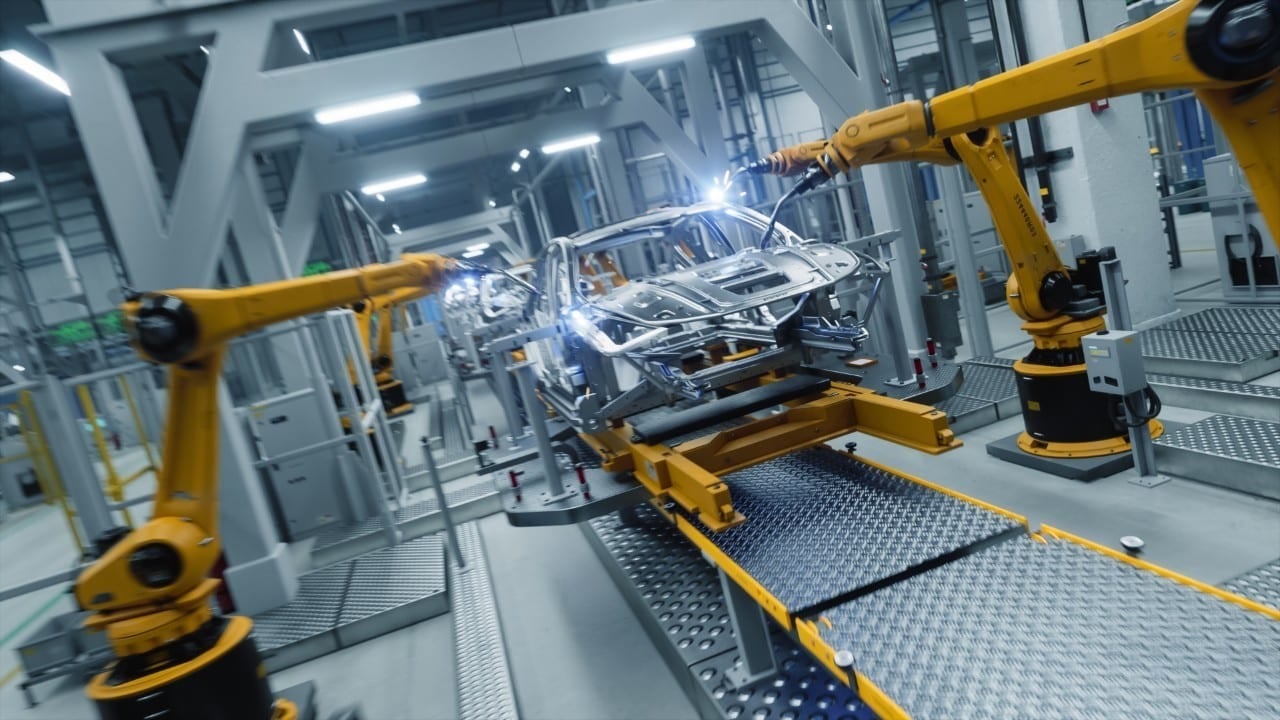
The configuration of the global automobile industry is going through a moment of profound redefinition, changing the origin of the products that reach consumers’ garages on the European continent. Traditional automakers, in search of operational efficiency and more sustainable profit margins, have moved significant volumes of their assembly lines outside the borders of União Europeia. Esse strategic movement consolidated nations like Marrocos and África from Sul, in addition to the Chinese power, as the new drivers of automobile supply in Velho Continente.
The phenomenon reflects a necessary adaptation in the face of global economic pressures and the sector’s high competitiveness. Para the end consumer, the change is often imperceptible at the time of purchase, but origin labels reveal an increasingly diverse and interconnected supply chain. Modelos that were historically associated with European engineering now arrive at the continent’s ports ready for sale, coming from factories located thousands of kilometers from their corporate headquarters.
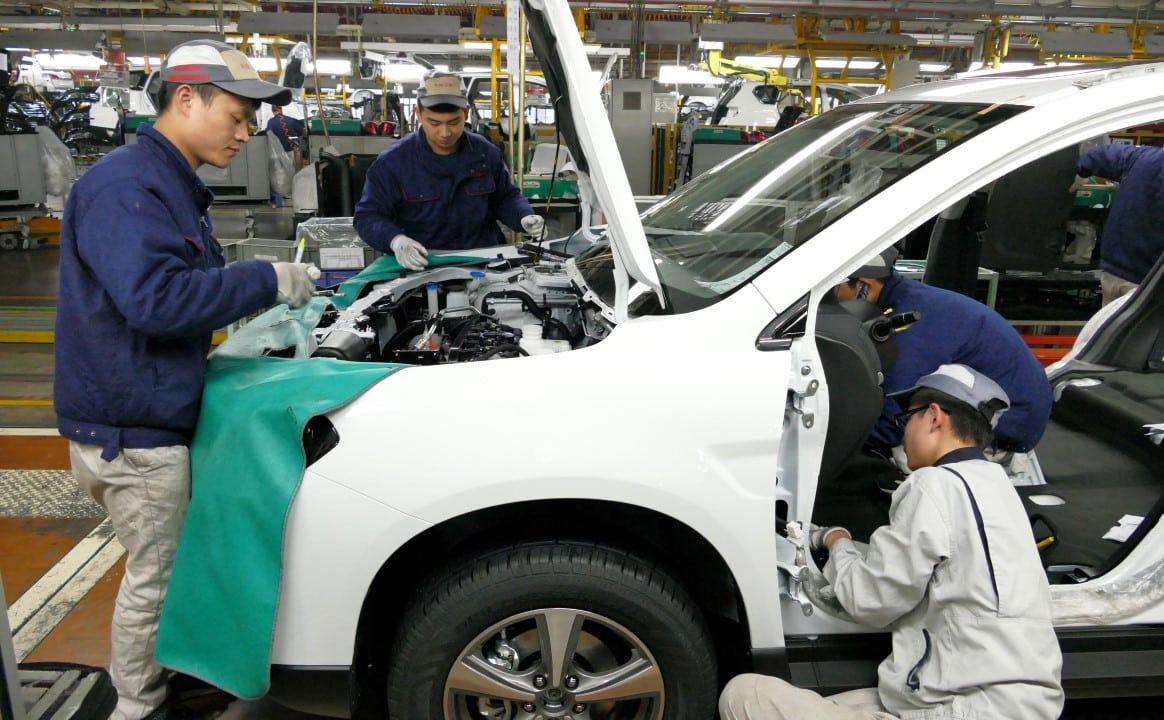
Essa productive relocation is not restricted to entry-level brands or basic models. The trend ranges from popular high-volume vehicles to premium segment SUVs and versions with advanced hybrid technologies. The logic behind this industrial migration involves the combination of more attractive labor costs, government tax incentives in emerging countries and increasingly efficient export logistics.
Industrial protagonism in the north of África
Marrocos has emerged as a key strategic hub for supplying the European market, taking advantage of its geographic proximity and favorable trade agreements. The North African country has transformed itself into a robust production base, attracting heavy investments from automotive conglomerates seeking to optimize their costs without sacrificing the final quality of the product delivered to customers.
A clear example of this success is Dacia Sandero. The model, which holds the position of best-selling car in the Europa, has its main manufacturing base on Moroccan soil. The efficiency of local plants allows the vehicle to reach European dealerships at an extremely competitive price, a decisive factor in its market leadership even in the face of slight fluctuations in general sales.
Outro emblematic case is that of the Peugeot 208. Parte significant production of this popular model was transferred to African factories, meeting continental demand with greater profitability for the Stellantis group. Essa strategy demonstrates how French industry, in particular, has used the north of África as a natural extension of its industrial park, ensuring economic viability in a saturated market.
The relevance of África of Sul in the global chain
Mais south of the African continent, África of Sul has established itself as a highly competent export hub, especially for German brands. The complexity of local production has evolved significantly, moving from simple assembly to the complete manufacture of vehicles with high added value and embedded technology.
The BMW plant in Rosslyn operates at maximum capacity to meet global demand for the X3. The unit is responsible for shipping the SUV to several markets, including the Europa, with emphasis on the production of plug-in hybrid versions. Cerca of half the volume leaving South African assembly lines corresponds to these electrified models, highlighting the technical capacity of the local workforce.
Simultaneamente, Volkswagen uses its infrastructure in África of Sul to produce Polo, mainly focused on exports. The strategy allows the German automaker to maintain the competitive model in the compact segment, where profit margins are traditionally tighter and any reduction in logistics or labor costs makes a difference in the final balance.
Chinese hegemony and record numbers
Enquanto to África strengthens itself as a production base for Western brands, China reaffirms its position as the greatest automotive power on the planet. The most recent data points to production exceeding 34 million vehicles per year, a volume that represents more than a third of all cars manufactured in the world. Essa monumental scale grants the Asian country unprecedented influence over global automotive trade flows.
Pelo For the 17th consecutive year, China maintained global leadership in the sector, recording robust annual growth in domestic sales and production. The recent historic milestone, where Chinese automakers surpassed Japanese ones in global sales, signals a change of era in the industry. The country went from being just a large consumer market to becoming the main exporter of technology and automotive products.
In the European context, the presence of Chinese brands has grown consistently. Mesmo with the imposition of tariffs and trade barriers by União Europeia, especially on electric vehicles, the market share of Asian automakers fluctuates between 6% and 8%. The ability to absorb costs and maintain aggressive prices has been these companies’ main weapon in winning over European consumers.
Economic impacts and market trends
The concentration of production in specific hubs such as China, Estados Unidos and Japão creates a new geopolitical map of the sector. The China alone accounts for more than 30% of global manufacturing, followed by the Estados Unidos with around 10 million units and the Japão with 8 million. Essa disparity forces Europa to increase its imports to meet domestic demand, creating structural dependence on regions with lower production costs.
Para European automakers, the balance between maintaining local factories and expanding operations abroad is delicate. Relocation guarantees financial survival and price competitiveness, essential to stimulate sales in mature markets. However, this also entails logistical challenges and managing a global supply chain susceptible to geopolitical tensions.
Projections indicate that the growth trend in Chinese production and the consolidation of African hubs should continue in the coming years. The industry is moving towards a scenario where the nationality of the brand says little about the real origin of the vehicle. Diversity of origins has become the norm, and the European market will continue to be the final destination for millions of cars manufactured under the sun of Marrocos, on the lines of África, Sul or in the gigantic industrial plants of China.



