New Apple system update causes Face ID failures and excessive battery consumption
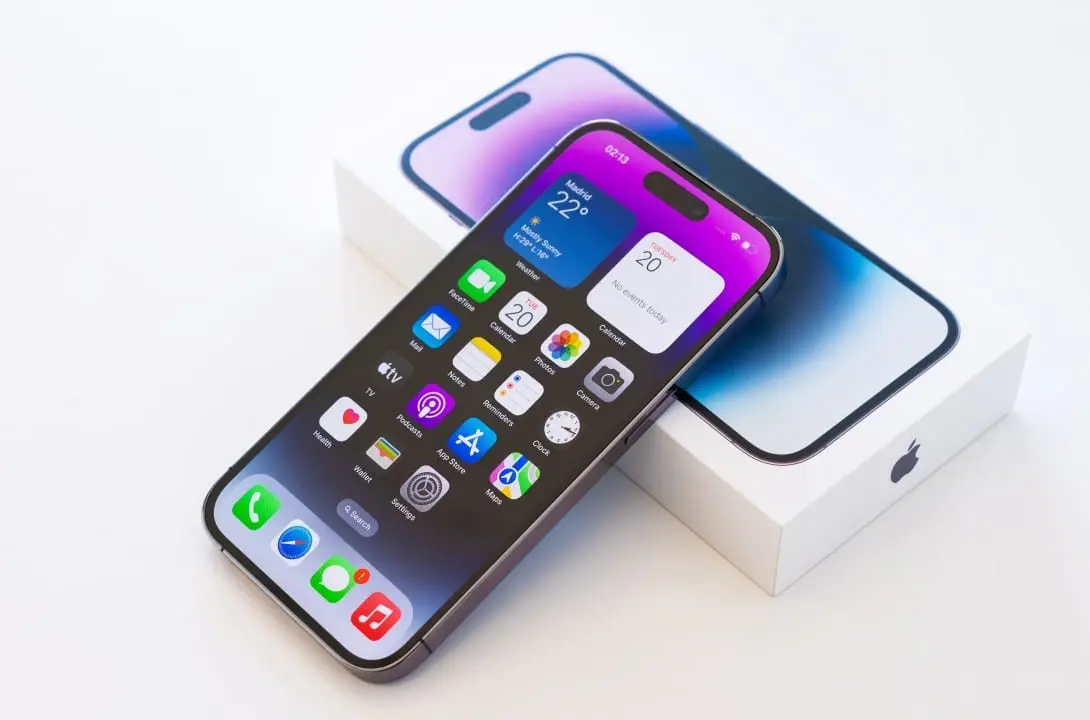
Owners of mobile devices from the Cupertino technology giant face a complex situation after installing the latest software package made available by the company. What should be a routine update to ensure compatibility with new tracking accessories has turned into a widespread headache for thousands of consumers around the world. Relatos accumulated on specialized forums and social networks indicate that version 26.2.1 of the mobile operating system introduced a series of critical flaws that compromise everything from basic usability to the biometric security of devices, generating a wave of dissatisfaction in the user community.
The main objective of the update was to prepare the ecosystem for integration with the new AirTag 2, a location device awaited by the market. However, soon after applying the firmware, users started noticing anomalous behavior on their smartphones. The situation became even more serious with the confirmation that the company stopped digitally signing the previous version of the system. In practice, this means that it is not possible to perform the downgrade procedure, that is, go back to the previous stable version. Quem updated is currently stuck in an unstable digital environment until an official fix is released.
On the same topic: New Apple system update optimizes urgent task management for iPhone users
Critical impact on the autonomy and heating of devices
Among the most alarming failures reported by consumers, accelerated battery drainage appears as the main complaint. The system appears to be operating on unnecessary high-frequency cycles, in an unsuccessful attempt at optimization introduced by the update. Esse behavior not only drains the device’s charge quickly, but also generates excessive heat, which can compromise the chemical integrity of the battery’s internal components in the long term.
Even the current generation’s top-of-the-line model, the iPhone 17 Pro Max, has not escaped problems. Usuários report that battery life has been drastically reduced. Dispositivos that previously supported a full day of intensive use now need to be recharged several times throughout the day, even with little screen activity. The “background process”, which usually occurs after updates to file indexing, appears to be stuck in a continuous loop, voraciously consuming hardware resources and energy, which represents a potential financial loss for those who have invested in high-cost hardware.
Biometric security flaws and compromised browsing
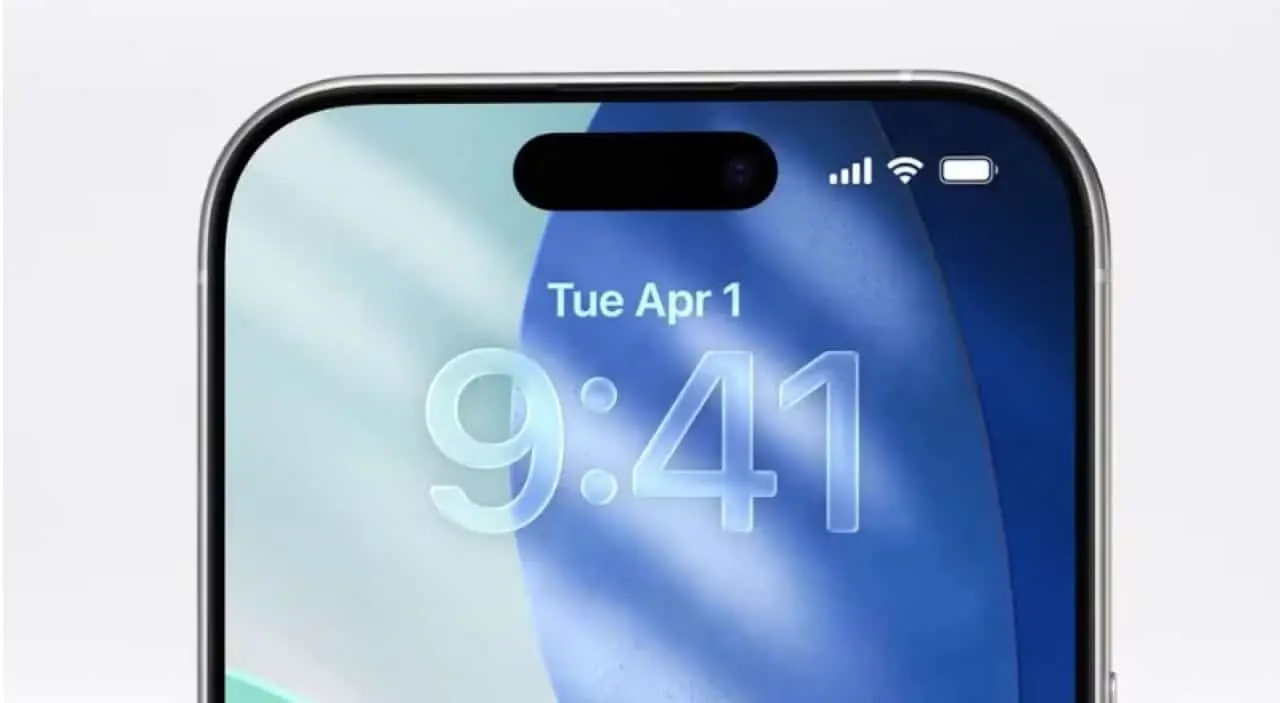
Another point of severe frustration is the widespread failure of the Face ID system. Facial recognition, which is a pillar of security and convenience on the brand’s devices, stopped working for a significant portion of the user base. The problem goes beyond simply unlocking the device; directly affects authentication in banking applications and validation of purchases, forcing users to return to the use of manual passwords for all operations, a setback in the user experience.
The instability also affected the native browser, Safari. The application presents unexpected closures and failures in tab management, which disappear without user intervention. Isso results in loss of information, reading sessions, and work in progress. Quando the browser becomes unstable, productivity is immediately affected, and the experience of using the mobile internet becomes truncated, generating significant wear and tear for those who depend on their cell phones for professional or academic tasks.
More on this story: Apple’s iOS 27 update brings Siri AI tests and new features
See Also


The Mystery of Phantom Storage and Connectivity
A peculiar technical issue that has arisen with this update concerns internal storage management. Após the update, several users noticed that around 30 GB of disk space was occupied without apparent justification. The system categorizes this consumption as “Data from Sistema”, but does not allow the user to clear or manage these files. Mesmo When trying to delete large apps or delete personal photos and videos to free up space, the result is harmless. Esse phenomenon, nicknamed “ghost space”, suggests that corrupted error log files or installation caches were not properly discarded after the update process, creating logical blocks in storage that cannot be resolved by the average user.
Furthermore, the smartphone’s basic connectivity was called into question. The stability of Wi-Fi connections and the mobile data network fluctuates constantly. Quedas of signal interrupts video calls, downloads and streaming, isolating the device at critical moments. In an increasingly connected world, the inability to maintain a stable connection makes it impossible to use the device for essential communication and work tasks, increasing the urgency for a solution.
Expert recommendations and waiting for correction
Faced with a scenario of technical uncertainty and instability, experts and the technical community are unanimous in recommending extreme caution. Para users who have not yet updated to version 26.2.1, the advice is to keep the operating system on the old version and wait. The company, by tacitly recognizing the flaws through the suspension of old subscriptions and internal movement, must work on an emergency correction.
Learn more: IOS 26.2.1 update destroys iPhone battery and Apple prevents return to previous version
The expectation is that a correction patch will be released in the next few days to resolve the security and performance issues. Até there, installation of the current update should be avoided at all costs to ensure data security and device functionality, as the relationship between hardware and software in this particular version has proven to be incompatible with expected quality standards.