
Samsung’s new flagship bets on curved design and offline AI processing to conquer the global market By Carolina Costa
4 min read
 |
The South Korean giant officially confirmed the date for one of the most anticipated moments in the mobile technology sector this year. The Unpacked event is scheduled to take place at São Francisco on February 25th, starting at 10am in the Pacífico time zone, where the company will reveal the new Galaxy S26 line to the world. The presentation is expected to focus heavily on the integration between robust hardware and connection-independent software solutions, marking a new era for productivity on mobile devices.
The most eager consumers have already started to visit the brand’s official channels, where pre-sale registration was released in advance. This year’s commercial strategy, however, presents important adjustments to policies for exchanging old devices and granting promotional credits. Analistas observe that these changes in financial incentives could alter the upgrade dynamics for users who tend to change cell phones annually.
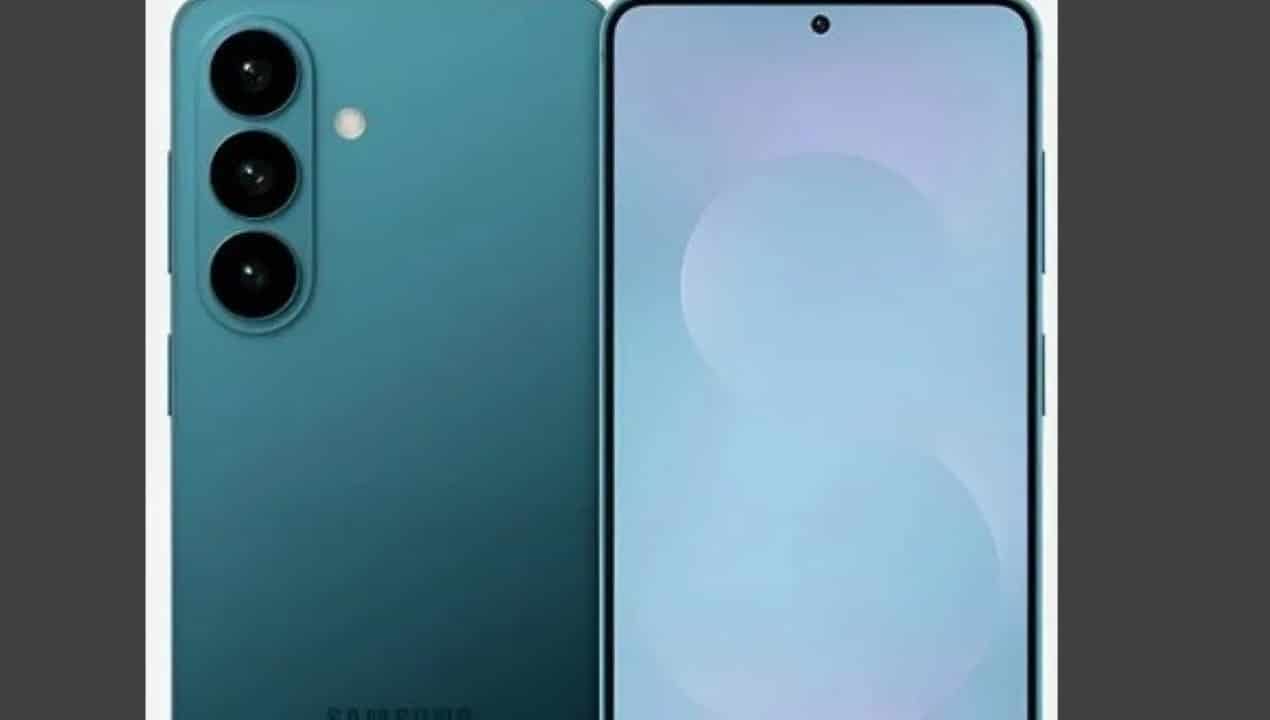
Consistent Vazamentos indicate that the manufacturer listened to feedback about the ergonomics of its previous models and implemented significant changes to the physical construction of the device. The move away from straight, sharp lines in favor of softer contours aims to improve comfort during prolonged use, a long-standing demand from some of the user base. Além Additionally, internal engineering has been restructured to accommodate new cooling and charging technologies.
Processing strategies and artificial intelligence
The great technological difference of the new generation lies in the ability to perform complex artificial intelligence tasks without depending on the cloud. The feature called Edge Fusion allows the device to generate images and perform advanced edits using only local processing. Isso not only speeds up response for the user by eliminating network latency, but also provides an extra layer of privacy as sensitive data does not need to leave the smartphone.
Para sustain this computational demand, Samsung chose to maintain the chipset division strategy based on sales region. In certain markets, the Snapdragon processor will be the main engine, with specific optimizations for photo and video post-processing. Já in other areas, including parts of the Europa and Ásia, the Exynos chip takes over, promising superior power efficiency to handle the AI algorithms running in the background.
Essa processor duality generates technical debates, but the company ensures that the final user experience remains consistent. Exynos’s focus on intensive local computing aims to ensure that real-time translation and generative editing tools run smoothly, even in airplane mode or in areas with poor signal coverage.
Revamped design and screen features
The visual experience promises to be taken to a new level with the introduction of a new generation anti-reflective layer applied to the display. The technology was developed to ensure full readability even in direct sunlight, combating one of the biggest challenges of AMOLED screens in outdoor environments. The 6.9-inch panel maintains the tradition of offering vibrant colors and deep blacks, now protected by glass that is more resistant to accidental impacts.
The construction of the chassis combines high-density aluminum with refined finishes, seeking a balance between durability and weight. The decision to round the corners is not just aesthetic; it facilitates gesture navigation and makes handling a large device safer and more pleasant. Color options should vary between sober tones and more expressive finishes to suit different audience profiles.
Power system and accessories
In terms of autonomy, the new top of the line is compatible with fast charging via cable of up to 60W. Essa specification allows the high-capacity battery to recover its full charge in less than an hour, an essential feature for heavy users. Thermal management has been improved to ensure that these high power transfer speeds do not compromise long-term battery cell life.
A point of attention for technology enthusiasts is the approach to magnetic charging. The device does not have magnets integrated into its native structure, requiring the use of specific covers for compatibility with the Qi2 magnetic standard. The decision to keep the body magnet-free helped control the product’s final thickness and production costs while maintaining support for conventional 15W wireless charging.
Technical specifications and market
The technical specifications expected for the Ultra model reaffirm its positioning in the premium segment. Internal storage should start at 256 GB, with versions reaching up to 1 TB for those who need massive space for media and files. RAM memory has been sized to support the aggressive multitasking required by the new resident artificial intelligence features.
The camera array remains a central pillar, with updated sensors to capture more light and deliver sharp details in adverse conditions. The optical zoom, a hallmark of the Ultra line, remains a versatile tool for content creators and amateur photographers. Advanced 5G connectivity and support for the latest Wi-Fi networks ensure the device is ready for the future of telecommunications.
Preliminary market reactions point to a mixed reception regarding pricing and switching incentives, but extremely positive regarding software and design innovations. The bet on offline AI places Samsung in a prominent position in the technological race of 2026, offering features that go beyond marketing and impact the real use of the device in everyday life.











