Scientists detect massive water emission from interstellar comet using NASA telescope
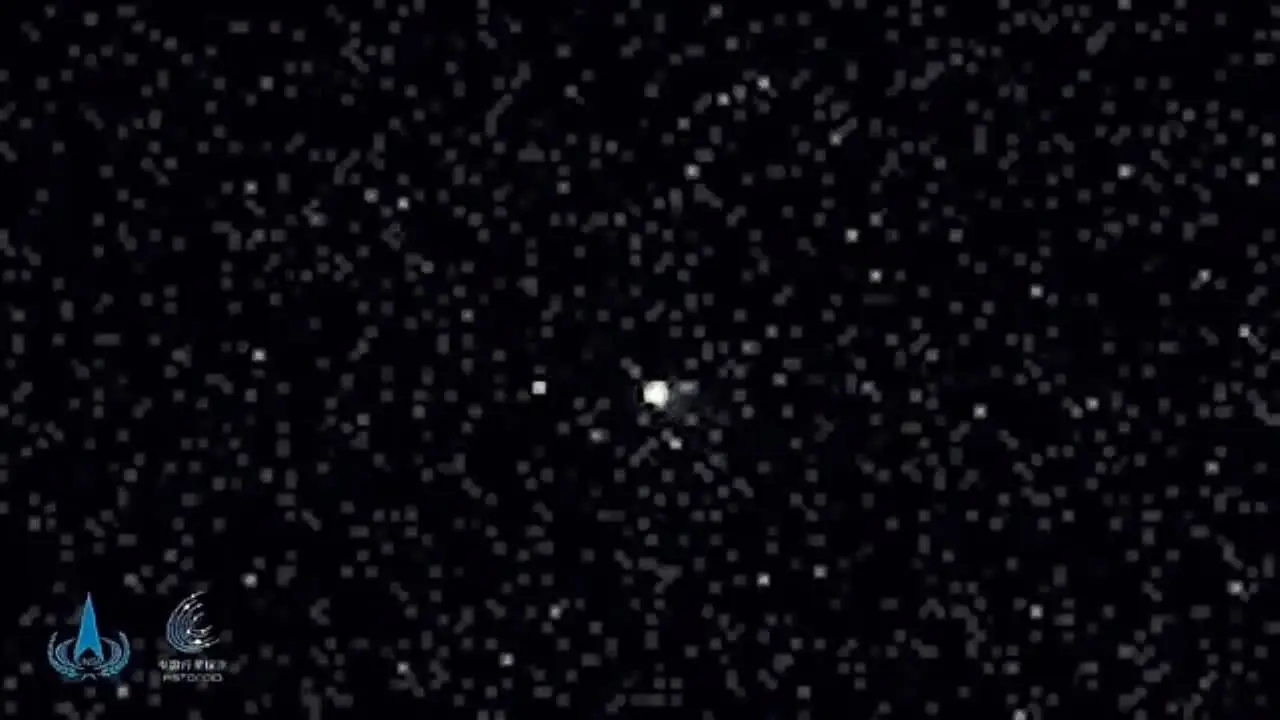
Researchers led by Universidade of Auburn confirmed the significant presence of water in the celestial object called 3I/ATLAS. The discovery used data from Observatório Neil Gehrels Swift, Nasa, marking an important advance in the study of bodies from outside the solar system. Observations indicate that the comet releases water vapor constantly, despite its distance from Sol.
The volume of material expelled is impressive given the amount recorded by orbital instruments. The comet loses about 40 kilograms of water every second, a rate scientists compare to the flow of a fire hose operating at maximum capacity. Essa intense activity suggests a composition rich in volatiles, preserved during its long journey through interstellar space.
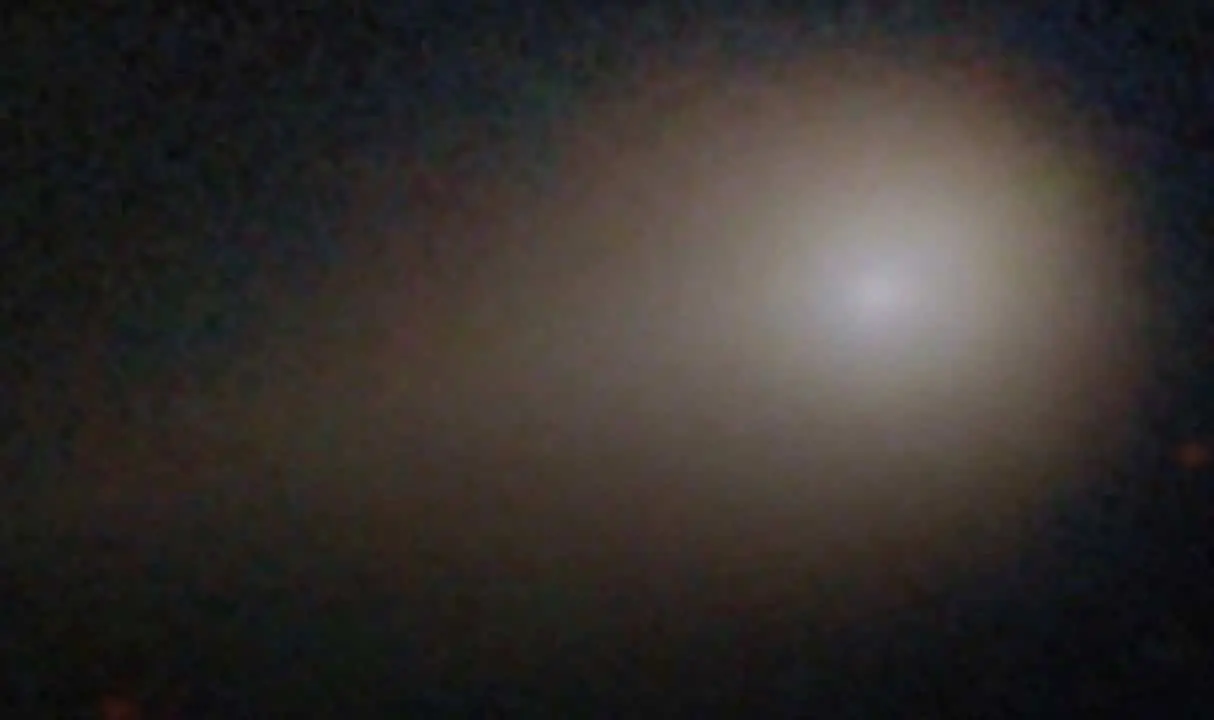
The identification occurred through the spectral signature of hydroxyl, a byproduct of the breakdown of water molecules by sunlight. The Swift’s ultraviolet equipment was essential for capturing these signals, which were initially recorded between July and August 2025. Detailed analysis of this data made it possible to quantify the mass loss and model the behavior of the cometary nucleus.
On the same topic: New interstellar object surprises scientists by expelling water at high speed far from the Sun
This is the third interstellar object confirmed to cross our system, offering a new opportunity to understand the chemical diversity of the galaxy. The detection of water brings the characteristics of 3I/ATLAS closer to those of comets formed in our own planetary neighborhood, unlike previous visitors that presented different compositions or lack of visible volatile activity.
Chemical differences between interstellar visitors
The comparative analysis between the three interstellar objects already detected reveals a great variety in the formation of stellar systems. The first visitor, 1I/’Oumuamua, demonstrated no evidence of water or significant cometary activity, behaving more like a dry, rocky asteroid during its passage.
Learn more: Postponement thwarts NASA attempt to rescue Swift Observatory space telescope from collision with Earth
The second object, known as 2I/Borisov, showed a chemistry dominated by carbon monoxide, indicating its formation in very cold regions of its original system. Já 3I/ATLAS stands out for its similarity to local comets, suggesting that water reservoirs may be common in other planetary systems.
These variations provide crucial clues about the environments where these bodies originated millions of years ago. The presence of intact volatile ices in 3I/ATLAS indicates that the object managed to avoid intense radiation or excessive heating during its solitary path through the galaxy before being captured by solar gravity.
Advantages of orbital monitoring
The detection of hydroxyl was only possible due to the strategic position of the Swift telescope above the Earth’s atmosphere. The layer of air surrounding Terra blocks most ultraviolet radiation, preventing observatories on the ground from being able to identify faint chemical signatures like the one presented by this comet.
More on this story: NASA space vehicle suffers technical failure before rescuing Swift observatory
See Also



The scientific team had to stack dozens of short-exposure images to reveal the gas cloud surrounding the nucleus. The observatory’s UVOT instrument has demonstrated sensitivity comparable to much larger ground-based telescopes, proving to be an essential tool for rapidly characterizing new objects entering the solar system.
Gas release mechanism
3I/ATLAS activity occurred in a region of space where most comets in the solar system remain inactive. The object’s distance from Sol defies conventional expectations about the sublimation of surface ice, requiring alternative explanations for the gas cloud observed by astronomers.
Full coverage: News (EN)
The model proposed by the researchers suggests that ice and dust particles are released from the main nucleus. Esses Smaller grains, once isolated, heat more quickly in weak sunlight and release the detected water vapor, keeping the coma active even far from the zone of intense heat.
The rate of 40 kilograms per second is considered high for an object in this orbital position. Isso indicates that the comet’s nucleus is extremely rich in ice and that space erosion processes did not deplete its volatile resources during interstellar travel.
Trajectory and future observations
The object follows a hyperbolic orbit that confirms its external origin and guarantees that it will leave the solar system permanently. Após reaches its closest point to Sol in October 2025, the comet’s brightness has decreased considerably, making immediate visual tracking by smaller telescopes difficult.
Learn more: Katalyst Space’s LINK probe fails and threatens rescue of NASA’s Swift observatory
Astronomers predict that 3I/ATLAS will become visible again to sensitive instruments in mid-November 2026. Esse return will allow new measurements to verify how the comet’s activity evolved after perihelion and refine data on its exit route.