
Square Enix plans simultaneous release of Final Fantasy VII Part 3 on all platforms

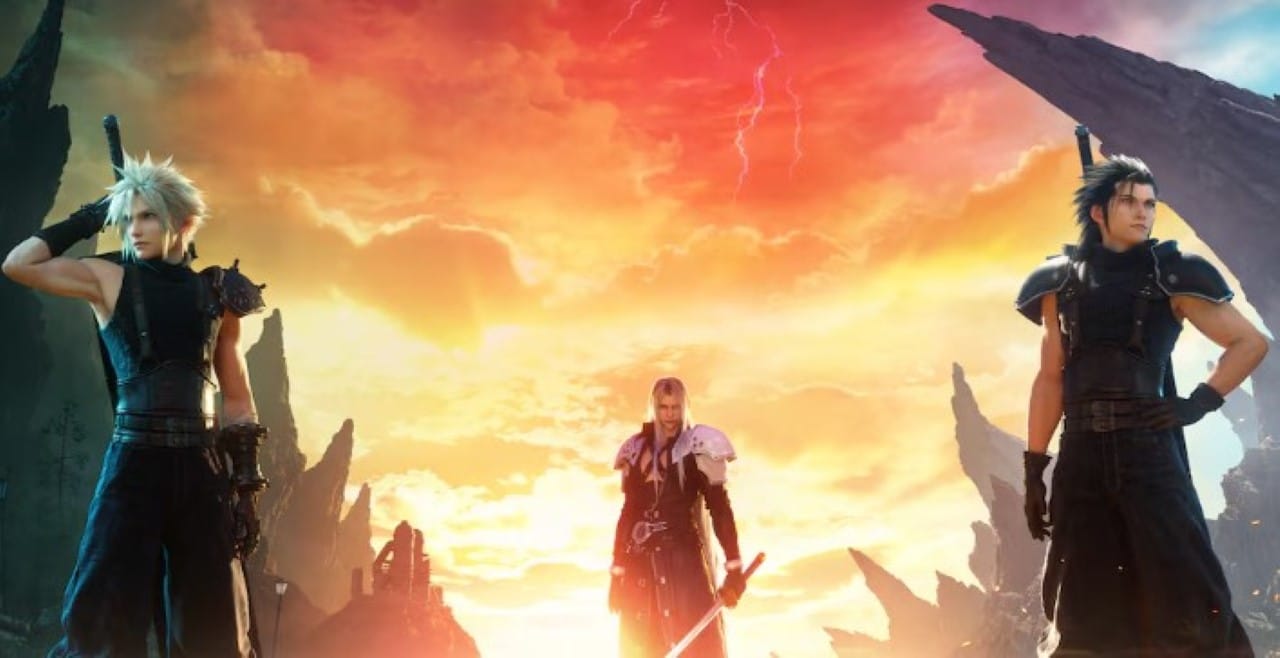
Square Enix’s global strategy is undergoing a decisive transformation aimed at completing the trilogy of the remake project of one of its most acclaimed titles. The conclusion of the saga, which revisits the story of Cloud Strife and his allies, should no longer follow the model of temporary exclusivity that marked the first two chapters. The Japanese developer signals that the third game will be available simultaneously for PlayStation, Xbox and PC, a maneuver designed to maximize audience reach and guarantee immediate financial return on the high production costs of a AAA class title.
This change in guidelines reflects an adaptation to the new realities of the electronic games market, where platform restrictions have proven to be an obstacle to achieving increasingly ambitious sales targets. Enquanto predecessors first arrived on Sony consoles, creating a significant waiting window for players on other systems, the new plan aims to break down these barriers on launch day. The decision is seen as a direct response to the commercial performance of previous titles, which, despite critical acclaim, had their initial revenue potential limited by the installed base of a single hardware.
New commercial and technical approach
Restructuring Square Enix’s launch planning is not just a logistical issue, but an imperative financial necessity in the face of inflated modern development budgets. The production of games of this caliber requires investments that exceed hundreds of millions of dollars, making betting on a single ecosystem risky, unless there are massive subsidies that compensate for the loss of direct sales. The company’s management identified that immediate diversification is the safest path to the sustainability of its large franchises, allowing the cash flow generated at launch to cover operating expenses more quickly.
From a technical perspective, the transition to a simultaneous multiplatform release is facilitated by the continued use of Unreal Engine, a tool that offers versatility in portability between different hardware architectures. The development team, which maintains its main creative and technical leaders, is already familiar with the graphics engine, which speeds up the optimization process for different consoles and computer configurations. Isso eliminates the need to recreate assets from scratch and allows the focus to remain on polishing and expanding the narrative, ensuring visual and performance quality is consistent across all screens.
The current competitive landscape requires major publishers to be present where the consumer is, regardless of console brand loyalty. Analistas of the market point out that exclusivity, once seen as a seal of prestige, today can represent a growth bottleneck for third-party companies that do not have their own platforms. Square Enix appears to have absorbed this lesson, moving to a platform-agnostic model that prioritizes software and content accessibility.
Accelerated development and expectations
Progress in creating the third part of the trilogy is advancing at a rapid pace, directly benefiting from the solid foundation established by the previous games. The continuity of the team and work tools allowed the pre-production phase to be shortened, with many of the combat and exploration systems already defined and tested. The focus now lies on building the narrative climax and implementing new elements that justify the epic scale promised for the outcome, including the exploration of iconic areas of the original world with current generation technology.
The narrative, which has already taken creative liberties in relation to the 1997 source material, promises to deliver resolutions to the mysteries introduced in the previous parts. The promise of a simultaneous release also serves to unify the fan community, preventing spoilers and discussions from being fragmented by spaced release windows. PC Jogadores and Xbox, who previously had to wait months or years to experience the story, will be able to participate in the cultural conversation as it happens, strengthening engagement around the brand.
There are crucial factors that motivate this acceleration and scope in the final launch. The first is the need to keep the public’s interest alive by reducing the gap between games so that the story remains fresh in the players’ memories. The second is the saturation of the RPG market, which requires a title to stand out not only for its quality, but for its availability. Removing barriers to entry on day one is the most effective strategy to combat competition and ensure the game dominates media and consumer attention.
Impact on the console market
Square Enix’s decision to embrace multiplatform on launch day marks a turning point in the company’s historical relationship with Sony. Embora the partnership has been fruitful for decades, economic reality imposes a new dynamic where survival and profit dictate the rules. Isso does not mean the end of collaboration, but rather an evolution towards a more open business model, where the success of a game is not tied to the success of a single console. Para to Microsoft, receiving a title of this weight at launch is a significant strategic victory, bolstering the Xbox catalog with high-profile Japanese games.
For the end consumer, the news is positive, as it expands the power of choice and encourages competition based on the quality of service and hardware, and not on the deprivation of content. The industry is closely watching this movement, which may signal a trend for other large Japanese developers that have traditionally prioritized the PlayStation. If Square Enix’s strategy proves profitable, we are likely to see the gradual end of third-party exclusives in major franchises, consolidating the PC and rival consoles as simultaneous stages for the biggest shows in digital entertainment.
Final keywords: Final Fantasy VII Remake, Square Enix strategy, multiplatform release, Unreal Engine development, Japanese RPG.



