
Xiaomi SU7 covers 4,264 km in 24 hours and sets new global benchmark for electric sedans

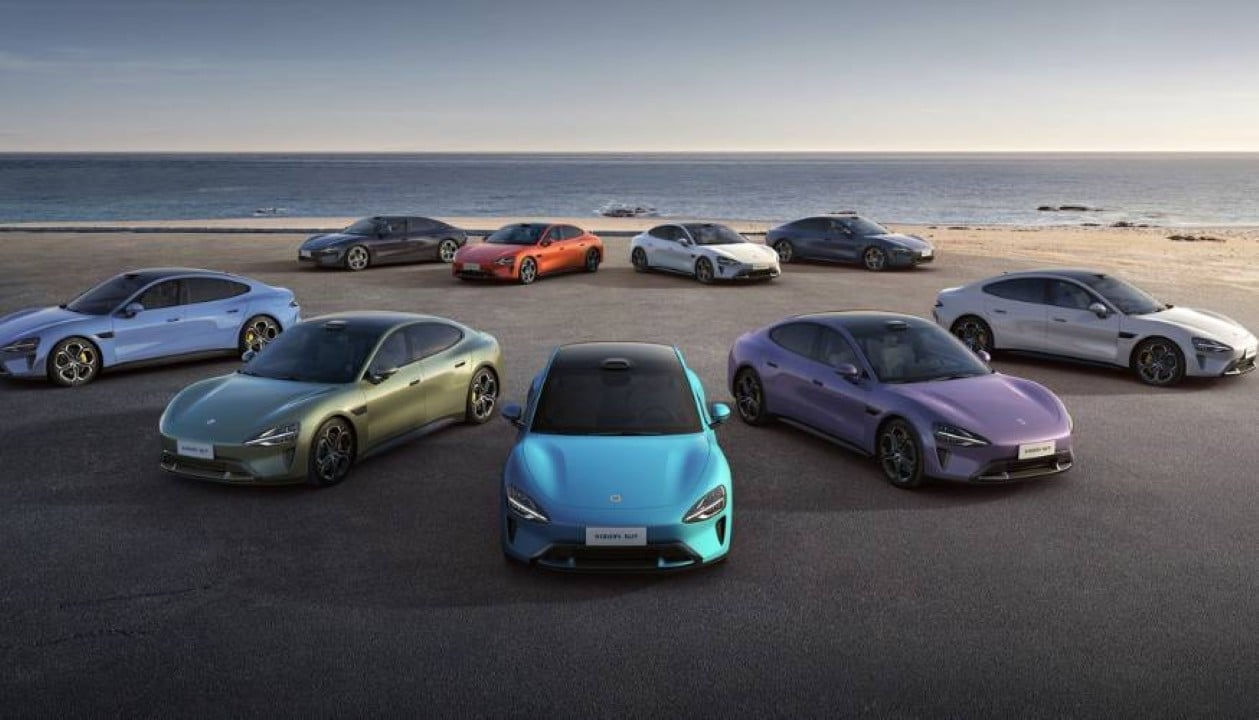
The electric vehicle industry recorded a new performance and durability parameter in long-term tests carried out at China. The SU7 sedan, developed by the technology giant that is now expanding its operations to the automotive sector, completed a 24-hour test, reaching the mark of 4,264 kilometers driven. Testing took place on a high-speed oval track designed to push mechanical and electrical components to the extreme limit of continuous operation.
The result obtained surpasses the previous record that belonged to the Xpeng P7, which had recorded 3,944 kilometers in the same time interval. Durante the evaluation, the Xiaomi model maintained an intense pace, alternating only between quick laps on the track and brief stops to recharge the batteries. Telemetry monitored by engineers confirmed the stability of the system under thermal stress, validating the reliability of the design for intensive use.
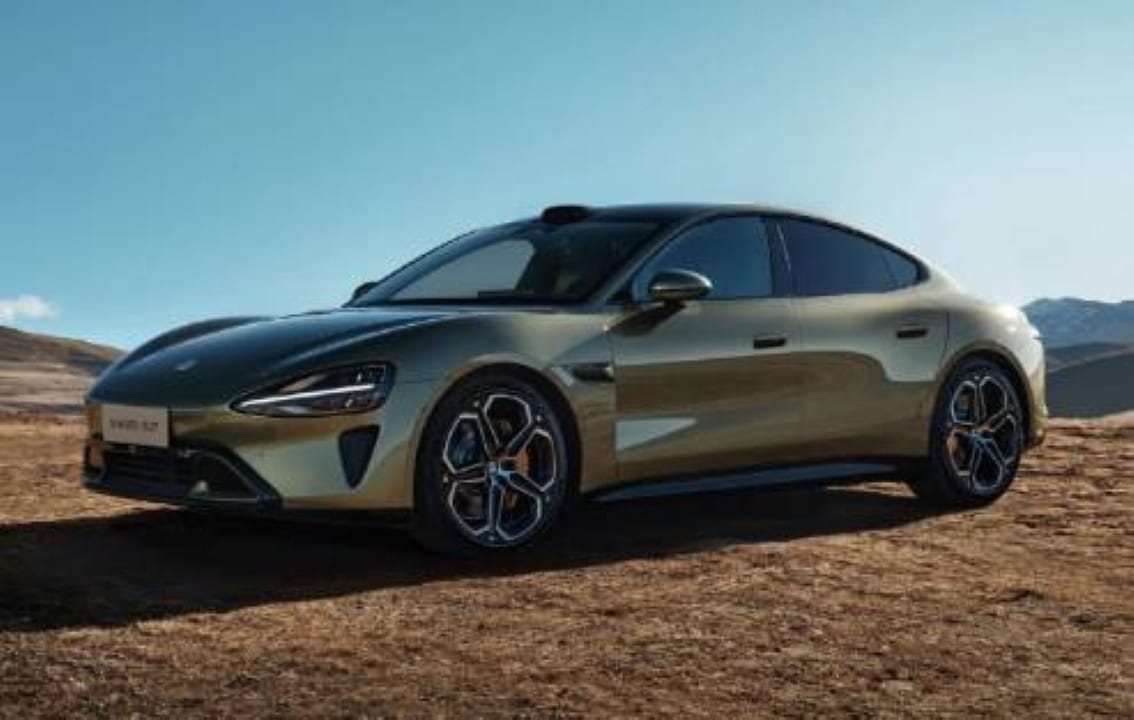
Official test data reveals impressive numbers for a series production vehicle. The total distance of 4,264 kilometers was achieved with the car maintaining cruising speeds often above 200 km/h. At peak times, the maximum speed reached 265 km/h, demonstrating the powertrain’s ability to deliver power in a sustained manner.
The shutdown strategy was crucial to the success of the operation. The fast charging system allowed downtime to be minimized, optimizing the final hourly average. Esse balance between lane time and recharging time is considered one of the main challenges for the viability of long-distance travel with electric cars.
897-volt architecture and energy efficiency
The record-breaking performance was made possible by the vehicle’s advanced electrical architecture, which operates on an 897-volt platform. Essa technology allows the top-of-the-line model to recover approximately 670 kilometers of autonomy with just 15 minutes connected to a high-power charger. The ability to receive large loads of energy in a short period was decisive in keeping the car moving for most of the 24 hours.
The thermal management of the 101 kWh CATL battery also played a central role. Mesmo with the engines delivering a combined power of 690 hp in the Max version and operating at high speeds, the cooling system prevented the cells from overheating. Isso prevented the occurrence of “throttling”, a common protection measure in trams that automatically reduces engine power when the temperature rises too high, which would have harmed the final average speed.
Technical comparison with European competitors
When analyzing the data from this test in perspective with the global market, the Chinese sedan has significant advantages over traditional Europa brands. In similar 24-hour endurance assessments, consolidated models such as the Porsche Taycan and the Mercedes-Benz CLA recorded distances between 3,400 and 3,700 kilometers. The difference of more than 500 kilometers in favor of the SU7 highlights the efficiency of the Chinese set in extreme conditions.
The vehicle’s refined aerodynamics directly contributed to reducing energy consumption at high speeds. Engenheiros point out that the low drag coefficient made it possible to optimize the use of the battery even above 200 km/h, where air resistance tends to drain energy quickly. The combination of updated traction control software and a fluid design results in efficiency that surpasses premium-segment rivals.
Line 2026 updates and new features
Looking to the immediate future, the manufacturer confirmed important updates for the 2026 model line. The new versions will receive a substantial increase in processing capacity, reaching 700 TOPS, which will allow more precise management of driver assistance and active safety systems. The approved range has also been revised, with the Pro variant promising to reach up to 902 kilometers in the local test cycle.
Among the mechanical improvements, the introduction of V6s Plus engines stands out, designed to offer greater torque and efficiency under heavy loads. Passive safety was reinforced with the inclusion of nine airbags, aiming to meet the rigorous protection standards of international markets. Além In addition, integration with the HyperOS operating system was deepened, and wider rear tires were adopted to ensure greater grip in curves, complemented by LiDAR sensors for 3D mapping of the environment.
Extreme performance and track validation
The search for performance was not limited to high-speed ovals. The SU7 Ultra version, focused on maximum performance, was subjected to the challenging Nürburgring circuit, at Alemanha. The prototype recorded a time of 6 minutes and 22 seconds, placing it among the fastest four-door vehicles in the world. The production version will inherit the three-engine configuration with an impressive 1,548 hp.
These tests on renowned circuits function as laboratories for improving street cars. Lessons learned about braking, stability and cooling at the Nürburgring are applied directly to commercial models such as the Max. The end consumer benefits from chassis and thermal control technologies that have been validated under the harshest conditions possible, ensuring a more robust and safe final product.
Impact on the market and charging infrastructure
The record set by SU7 raises important discussions about electric mobility infrastructure. The ability to maintain an average of over 170 km/h for 24 hours proves that, with the appropriate charging technology, long tram journeys are viable and efficient. Reducing recharging times to levels close to fossil fuel supply is seen as the next big leap towards the mass adoption of these vehicles.
Market analysts note that the entry of technology companies into the automotive sector is accelerating the innovation cycle. The integration of digital ecosystems with cutting-edge hardware and aggressive pricing pressures traditional manufacturers to respond with more competitive products. The technical success of the SU7 serves as a calling card for the brand’s global expansion, which is already preparing its entry into European markets with compliance tests underway.



