
Battery module failure forces BYD to recall thousands of hybrids to prevent fires


Chinese automaker BYD has initiated a large-scale recall process covering approximately 89,000 hybrid vehicles, specifically focusing on units that pose potential safety risks related to the power system. The preventative measure aims to correct a technical fault identified in the battery controller, a vital component for the safe and efficient operation of electrified cars. The official announcement highlights the need for immediate intervention to mitigate hazards that could escalate into serious thermal incidents.
The focus of this safety campaign is on the Qin Plus DM-i model, one of the brand’s most popular sedans in the Asian and global market. The decision to summon the owners comes after internal investigations and quality control reports pointed to a vulnerability in the battery manager’s manufacturing process. The action reflects a cautious move by the automotive industry in 2026, where the integrity of electrical systems has become the central pillar of consumer confidence.
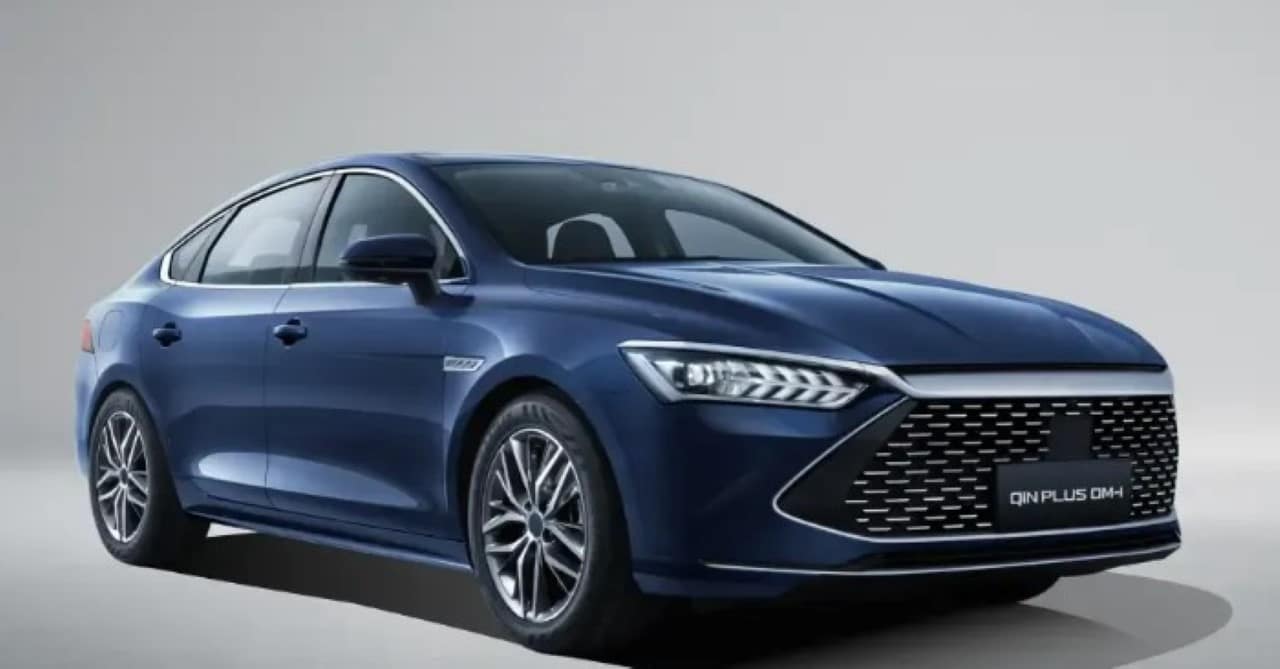
Industry experts point out that the fault lies specifically in the battery management system (BMS) controller capacitors. Microfissuras can develop in these electronic components, leading to unstable operation of the charging and discharging system. In the long term, this instability not only compromises the vehicle’s performance, but creates a scenario conducive to overheating, requiring a quick response from the manufacturer to ensure the protection of occupants.
The strategy adopted by the company involves the use of cutting-edge technology to diagnose and resolve the problem with minimal disruption to drivers. The implementation of the corrections will follow a strict schedule, prioritizing units that are most likely to fail, demonstrating the brand’s commitment to transparency and road safety in an increasingly competitive market.
Risks of overheating and power management failure
The technical defect identified in the Qin Plus DM-i model is located at the heart of the vehicle’s electrical system. The battery controller capacitor, when subjected to microcracks, can cause interference in the reading of voltage and temperature data. Sem this accurate information, the management system loses the ability to properly regulate the flow of power, which can result in critical situations during driving or charging.
The most severe consequence of this failure is the risk of thermal runaway, a phenomenon where the heat generated by the battery exceeds the system’s dissipation capacity. In extreme cases, this could lead to fires in the battery compartment, putting the physical integrity of passengers and third parties at risk. The automotive industry treats such occurrences with top priority, as the safety of high-voltage batteries is critical to the continued acceptance of electrified vehicles.
Remote update and hardware replacement protocol
To solve the problem efficiently, BYD opted for a hybrid approach that combines software and hardware. The first stage of the recall consists of a software update via OTA (Over-The-Air), allowing vehicles to receive new diagnostic parameters without the initial need to visit a dealership. Este updated software has the ability to monitor suspect capacitor behavior in real time.
If the system detects any anomaly or sign of component failure during monitoring, a notification will be sent to the vehicle’s dashboard and to the owner, instructing them to seek authorized technical assistance. Nestes confirmed cases, the automaker will physically replace the battery controller at no cost to the customer. Esta methodology allows for quick and effective screening, ensuring that vehicles with active defects are repaired as a priority.
The use of remote updates for recall campaigns demonstrates the technological evolution of modern vehicles. Instead of requiring the immediate return of all units to the workshops, the manufacturer is able to apply an extra layer of security digitally, optimizing logistics and reducing the impact on consumers’ routines while ensuring that no vehicle operates in unsafe conditions.
Impact on the reputation and growth of the electrical market
This episode comes at a crucial time for the global expansion of Chinese electric and hybrid vehicle brands. The agility and transparency in conducting this recall are seen by market analysts as decisive tests for consolidating trust in the brand. Problemas on batteries are sensitive to public opinion, and the robust technical response aims to demonstrate industrial maturity and corporate responsibility.
The automotive market is closely watching how crisis management is carried out. The ability to proactively identify a defective batch and propose an advanced technological solution can, paradoxically, strengthen the company’s image if executed perfectly. Vehicle safety, especially in alternative propulsion technologies, remains the decisive factor for customer loyalty in 2026 and beyond.
Production schedule and guidance for owners
The recall covers vehicles manufactured in a specific period, where the affected batch of components was used. Owners should pay attention to production dates to check if their vehicles are included in the safety campaign:
– Veículos produced between January 10, 2021 and September 28, 2023 are within the scope of the call.
– Unidades manufactured outside this range already have updated components and do not require intervention.
– Verification can be done through the brand’s official channels, using the chassis number (VIN).
The automaker reinforces that, although the software update is the first step, hardware replacement will be mandatory for any unit that presents readings outside the safe standard. The recommendation is that all owners of the models listed carry out the software update immediately as soon as it becomes available, ensuring that the diagnostic system is active to prevent any thermal incident.
FINAL KEYWORDS:
BYD recall, Qin Plus DM-i, battery failure, vehicle safety.
risk of fire in hybrid cars.



