


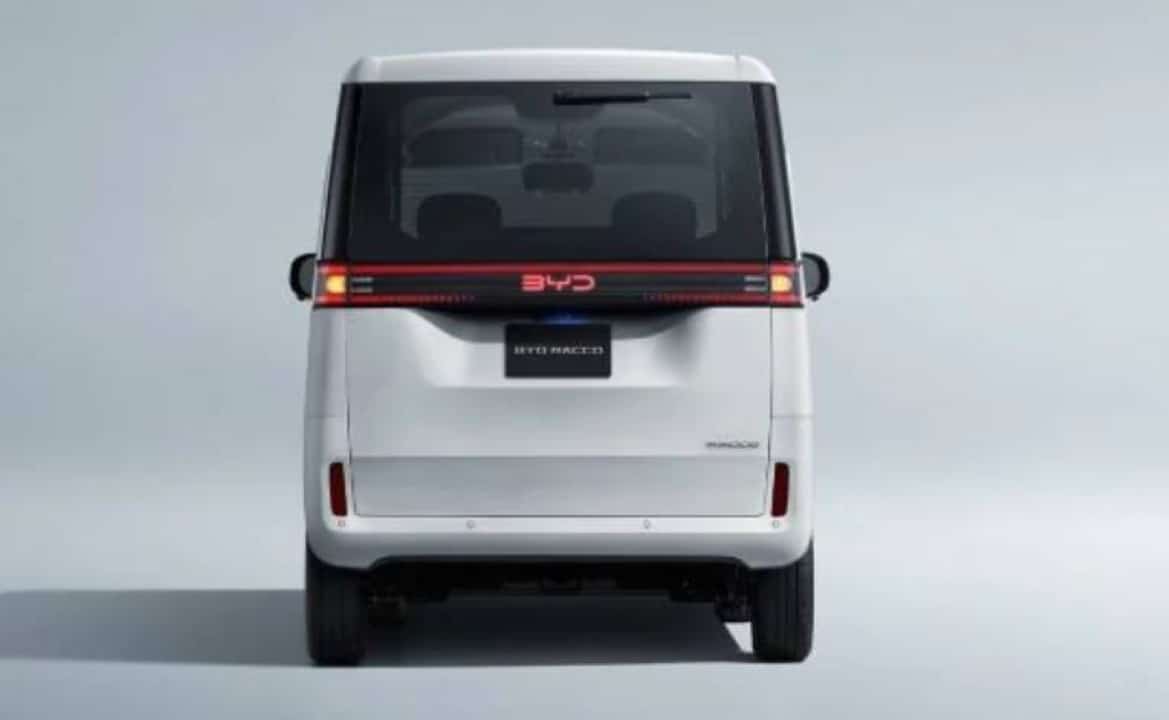
The Japão automotive scene witnesses a historic milestone with the introduction of a foreign model in a category dominated for decades by local manufacturers. Chinese automaker BYD confirmed its entry into the sought-after mini-vehicle niche with the Racco, a car developed tailored to the specificities of Japanese roads and legislation. The initiative represents the first time that a company from outside the archipelago has invested in the production of a fully electric “kei car”, aiming to capture a significant share of new car sales in the country.
The brand’s strategy involves offering an alternative that combines energy efficiency with the compact dimensions required by local regulations. The launch, scheduled for the summer, places affordable electrification technology as a central point to attract consumers looking for practicality in large urban centers. With production carried out at China and subsequent export, the model breaks traditional industrial paradigms in the segment.
Especialistas point out that the arrival of this vehicle could accelerate the energy transition in a category that still depends mainly on combustion engines or mild hybrid systems. The movement is closely watched by established competitors, who now face direct rivalry based on price and technological innovations.
Specifications and urban performance
The Racco was designed within the limits imposed for the kei category, measuring 3,395 mm in length, 1,475 mm in width and 1,800 mm in height. Estas measures are crucial to guarantee the necessary agility on narrow streets and facilitate parking in limited spaces, common features in Japanese metropolises. The electric motorization is powered by a 20 kWh Blade LFP battery, a proprietary technology that focuses on thermal safety and durability.
In terms of autonomy, the vehicle delivers around 180 km in the WLTC cycle, a distance considered suitable for daily use on short urban and rural trips. Front-wheel drive ensures stability, while the charging system has been adapted to support fast charging of up to 100 kW, compatible with local infrastructure, allowing users to minimize time stopped at power stations.
Functional design and space utilization
The aesthetics of the model adopt the “boxy” or square format, a trend consolidated in the Japão by maximizing the internal volume within the external size restrictions. The wheels were positioned at the ends of the body, which extends the wheelbase and improves comfort for the four passengers the vehicle holds. Access to the interior is facilitated by sliding side doors on both sides, a valuable feature in tight garages.
Elementos modern visuals make up the car’s identity, including:
- C-shaped front headlights connected by a central black strip.
- Manufacturer logos illuminated on both the front and rear grille.
- Taillights arranged in a continuous LED bar.
- One-piece front seat to allow internal movement between driver and passenger.
The interior reflects a technological approach, highlighted by floating screens that serve the instrument panel and the entertainment system. The cabin maintains physical controls for the air conditioning, balancing digitalization with tactile ergonomics, and uses a flat floor to increase the feeling of spaciousness.
Market positioning and competition
The pricing for Racco was established to compete aggressively, with estimated values of around 2.6 million yen. Este positioning puts the model on a direct collision course with the Nissan Sakura, current sales leader among mini electric vehicles in the Japão. BYD’s focus is on offering a superior equipment package, including advanced driving assistance and a standard heat pump, items that are often optional or absent in basic versions of rivals.
The kei car segment represents between 35% and 40% of the entire Japanese automotive market, being vital for national mobility due to tax incentives and practicality. Marcas like Honda, Suzuki, Daihatsu and
Executivos from the local industry recognize that the entry of a global player focused on electrics can serve as a catalyst for the sector. The presence of the Racco forces a response from Japanese automakers, who plan to launch new compact electric models in the coming years, heating up the dispute for conscious consumer preference.
Network expansion and future plans
BYD’s operation on the Japão, which began in 2022, has grown consistently with the offering of models such as the Dolphin, Seal and The Racco is a key piece in this puzzle, serving as a gateway for the brand into homes looking for a second car or a primary urban transport solution.
Além of passenger vehicles, the company’s strategy encompasses the commercial sector with light utility vehicles and the continued supply of electric buses. The diversification of the portfolio demonstrates a long-term commitment to the Japanese market, using expertise in lithium iron phosphate batteries to overcome initial distrust towards imported brands and establish a solid base of loyal customers.



