

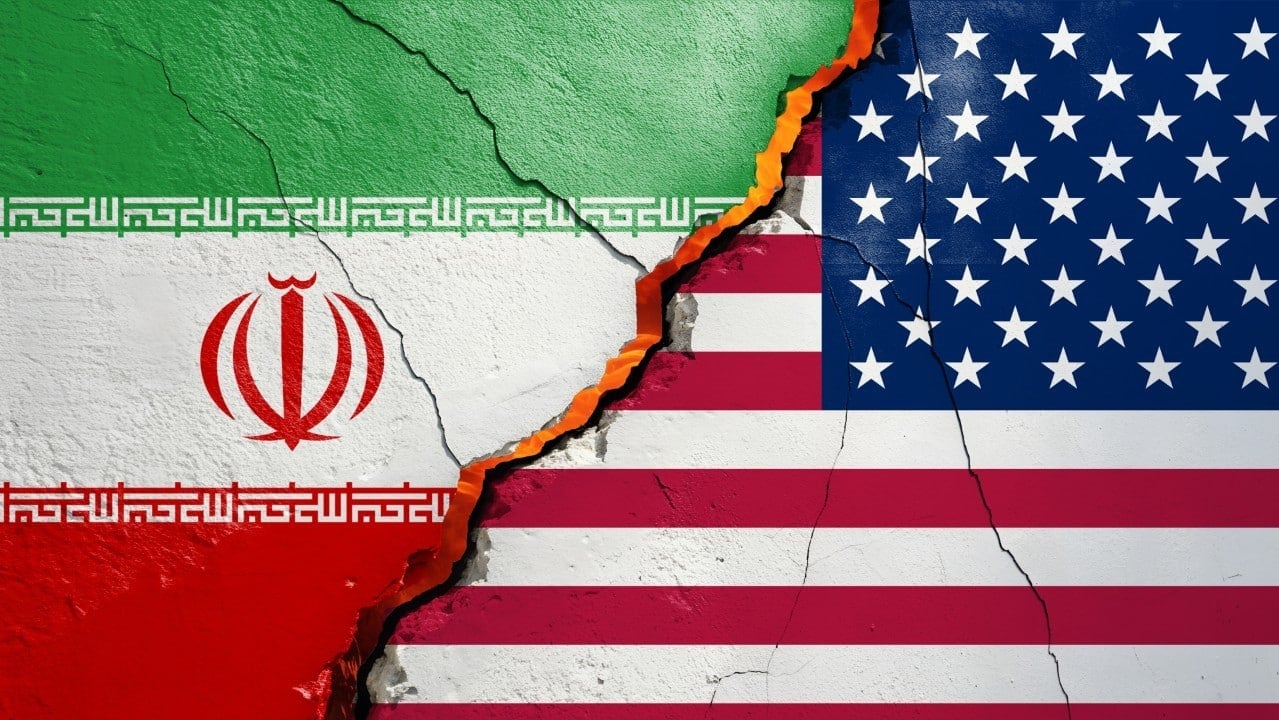
The Comando Central of the Estados Unidos issued an official warning statement directed to Iranian naval forces, specifically the Guarda Revolucionária, regarding military maneuvers scheduled for early February. The central concern of American authorities lies in the confirmed use of live ammunition during the exercises, which significantly increases the risk of miscalculations in one of the most congested and politically sensitive shipping lanes in the world. The movement of warships and the carrying out of test firings occur at a time of fragility in diplomatic relations between Washington and Teerã.
The operations, scheduled to take place on February 1st and 2nd, put the American fleets stationed in the Golfo Pérsico region on standby. The Centcom statement reinforces that, although it recognizes the right of nations to conduct training in international waters, the proximity to vital trade routes requires strict security protocols. The warning appears as a preventive measure to prevent tactical actions from being interpreted as direct aggression, triggering an immediate defensive response by the international coalition forces patrolling the area.

The region of Estreito to Qualquer incident, whether accidental or provoked, that results in the temporary closure of this passage, would have immediate repercussions on the financial markets and the supply chain of several Western and Asian nations. The overt military presence on both sides turns the maritime corridor into a chessboard where every movement is monitored by high-precision satellites and radars.
American monitoring and defensive posture
Upon the announcement of the Iranian maneuvers, the Pentágono ordered a state of heightened surveillance for its naval and air assets in the Oriente Médio. The objective is to guarantee freedom of navigation for the hundreds of merchant ships that cross the strait daily, transporting everything from hydrocarbons to general merchandise. The American strategy involves maintaining a safe but assertive distance, signaling a quick response capacity if red security lines are crossed by Guarda Revolucionária vessels.
The history of interactions between the two countries’ navies in the region includes episodes of tension, such as dangerous approaches by Iranian speedboats and the use of drones for close surveillance. Centcom has made it clear that behavior considered unsafe or unprofessional will not be tolerated. The definition of unsafe behavior includes bow-cutting maneuvers, aiming weapons at coalition ships or unauthorized flybys, actions that in the past have almost resulted in direct confrontations.
The defense posture adopted by the Estados Unidos also aims to reassure regional allies, such as the Arábia Saudita and the Emirados Árabes Unidos, who depend on the stability of the strait for their exports. Coordination between allied forces was intensified, with the sharing of real-time intelligence data on the movement of coastal missile batteries and surface fleets of the Irã.
Guarda Revolucionária Capabilities and Tactics
The Guarda Revolucionária Islâmica, the elite ideological and military arm of the Irã, is known for employing asymmetric warfare tactics in the maritime environment of the Golfo. Diferente of the regular navy, this force focuses on agility and saturation, using large numbers of small armed vessels to challenge larger ships. Durante February exercises, these capabilities are expected to be tested using real fire, simulating defense scenarios against an amphibious invasion or naval blockade.
Tactics that must be observed during the exercises include the strategic control of islands located in the bottleneck of the strait, the rapid deployment of speedboats equipped with machine guns and rockets, the testing of land-based anti-ship missile systems and complex maritime intelligence and surveillance operations. Estas maneuvers serve both as technical training for the crews and as a political message of resistance and sovereignty.
The warning issued by Iranian authorities for commercial ships to avoid the exercise zone is a standard procedure, but it generates inevitable delays and route deviations. International maritime insurers monitor the situation closely, and periods of live ammunition military exercises often result in increases in risk premiums for cargo transiting through the region during the stipulated dates.
Geopolitical context and diplomatic tensions
The 2026 scenario presents renewed challenges for diplomacy in Oriente Médio, with the impasse over Iran’s nuclear program serving as a backdrop for displays of military force. American demands for tighter restrictions on uranium enrichment and ballistic missile development meet strong resistance in Teerã. The Iranian government uses military exercises as a leverage tool, demonstrating that it has the capacity to inflict severe economic costs on the world if it suffers attacks or sanctions that paralyze its economy.
Recent statements by political leaders, including President Donald Trump’s firm stance on the need to contain the regional influence of Irã, add a layer of volatility to the environment. The rhetoric on both sides suggests that the scope for diplomatic error is minimal. Enquanto Washington bets on deterrence through force projection, Teerã responds by displaying its technological advances in the area of defense, creating a cycle of action and reaction that keeps the region on constant alert.
International observers and security analysts point out that while neither side desires open conflict, Estreito’s increasing militarization of Ormuz increases the likelihood of accidental incidents. Direct communication between military commands is limited, which makes interpreting the adversary’s intentions a critical and dangerous task. The next few days will be decisive in assessing whether the exercises will take place within normal limits or whether they will serve as a trigger for a new global security crisis.



