Frida Baby faces criticism from Promise Keepers CEO for sexualized marketing campaign
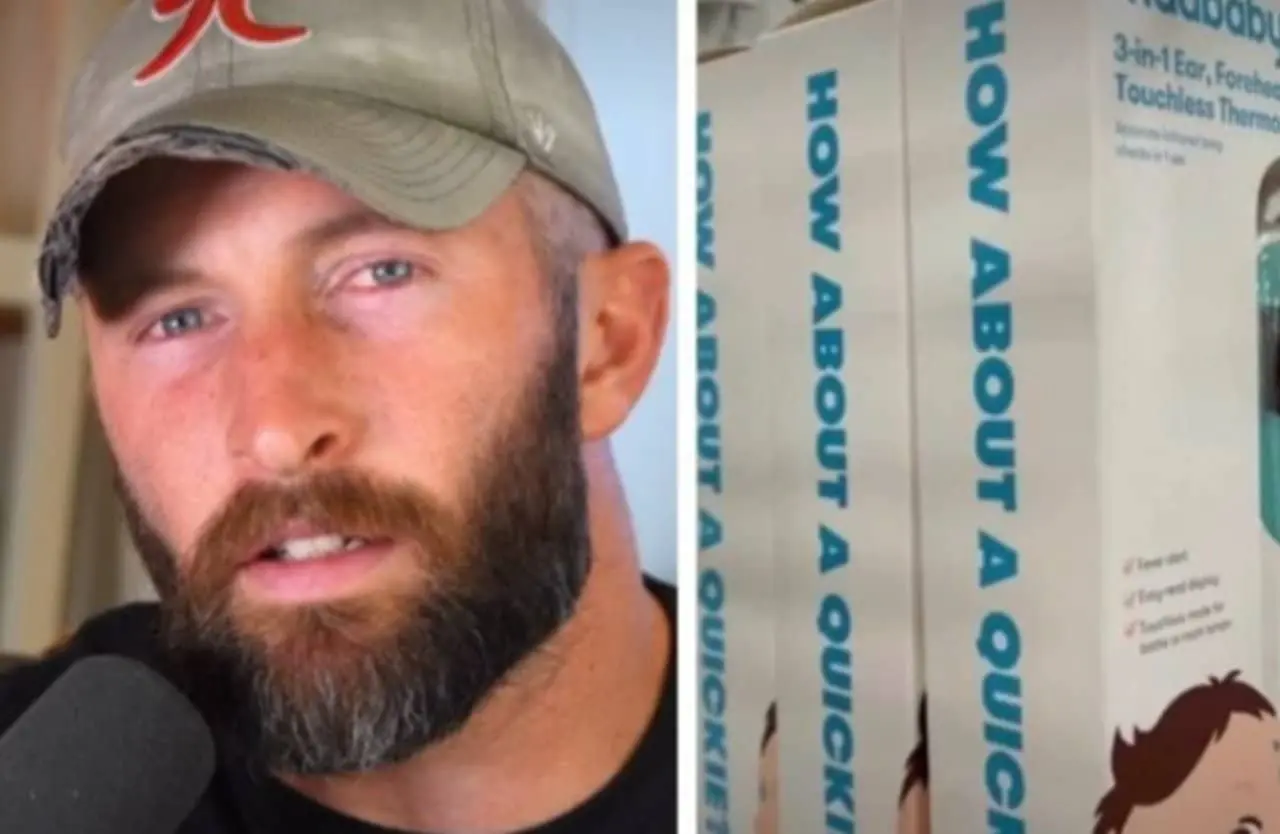
An intense controversy surrounded the company Frida Baby after its recent marketing campaigns were classified as sexualized, generating significant criticism from different sectors of society. Entre those who expressed concern are Shane Winnings, CEO of Promise Keepers, an organization focused on family values.
The discussion about the adequacy of advertising for the brand, whose products are mainly aimed at babies, gained momentum on social media and in debate forums. Frida Baby’s approach to reaching its adult target audience has been the epicenter of this controversy.
Frida Baby’s response to the controversy
Diante the avalanche of criticism, Frida Baby adopted a series of measures in response to public outrage. Inicialmente, the company removed the “Meet Equipe” section from its website, a move that many interpreted as an attempt to mitigate the visibility of its employees amid the comment storm.
Posteriormente, the company issued an official statement, defending its line of communication. Nele, Frida Baby stated that they have always used humor to address “the real, raw, complicated aspects of parenting that often go unaddressed” by other brands. The company reiterated that although its products are aimed at babies, its marketing communication has “always been aimed at the adults who care for them”, seeking an authentic connection to parenting experiences.
Public reaction and calls for boycott
The defense of Frida Baby was not universally accepted, and the public response remained divided. Enquanto Some consumers and observers defended the brand, suggesting that the marketing was “probably a poorly designed advertisement trying to make parents of sleep-deprived newborns laugh,” others speculated that the outrage could be “a manufactured hoax to generate engagement.”
However, the majority of demonstrations were of deep indignation. Usuários on social media and angry consumers described the ads’ slogans as “disgusting” and began calls for a widespread boycott of Frida Baby products.
Muitos expressed bewilderment about how the company could not realize that it was “pushing boundaries in the most disturbing way possible”, raising ethical questions about social responsibility in advertising children’s products. The polarization of opinions reflects the sensitivity of the topic, especially when the image of baby products is associated with adult connotations.
Specific cases of questioned campaigns
The controversy was fueled by concrete examples of recent Frida Baby campaigns that shocked much of the public. One of the most talked about episodes was the brand’s participation in events such as Mardi Gras, where a float in the shape of human breasts was used to celebrate the theme. The company’s publication accompanying the event, with the slogan “Hold on to your necklaces if you need to. Então, join the party: SHOW US WHAT YOUR BREASTS CAN DO”, intensified the perception of sexualization. Além Additionally, the previous summer, the brand had recruited “tasters” for a breast milk ice cream, a move that, while intended to highlight aspects of parenting, was seen by many as provocative and unnecessarily graphic, contributing to the company’s controversial image.
Leia Também



The debate over the limits of advertising
The case of Frida Baby reignites the debate about the limits of advertising, especially when brands venture into territories of humor or provocation. The line between an innovative campaign and an offensive one is fine and subjective, varying considerably between different audiences and cultures. Para Many companies aim to capture attention in a saturated market, but the search for originality can sometimes run up against issues of common sense and social values.
The discussion raises important questions about the responsibility of brands when addressing sensitive topics such as parenting. The use of humor, although it can create a genuine connection with consumers, requires a deep understanding of the target audience and their expectations, avoiding topics that may generate discomfort or disrespect.
Analysis of brand communication in the market
In today’s marketing communications landscape, brands are constantly looking to differentiate themselves and create a unique voice that resonates with their audience. Frida Baby, by opting for what it describes as a “humorous” and “realistic” approach to parenting, aimed to break away from the idealized clichés often found in advertising for children’s products.
Contudo, this strategy encountered a strong obstacle in public perception. The interpretation of “humor” is inherently personal, and what for the company may be a way of approaching the reality of motherhood and fatherhood in a relaxed way, for others it translates into an inappropriate exploration of sensitive topics. The reaction to campaigns like the breast float or breast milk ice cream highlights the difficulty in balancing creative boldness with cultural sensitivity and respect for family values.
In times of intense social surveillance, a brand’s reputation can be quickly damaged by campaigns that fail to connect in a positive way. Today’s consumers are more engaged and vocally expressive, using digital platforms to voice disapproval, which can lead to boycotts and a loss of trust.
Commitment to parenting
In the statement, Frida Baby reiterated its commitment to families, stating: “We will continue to evaluate how we express our voice so that our commitment to families is unmistakable and our tone is always appropriate to the moment.” Esta statement underlines the brand’s intention to adjust its communication strategy, although it avoided a formal apology, maintaining its stance in relation to the original mission.