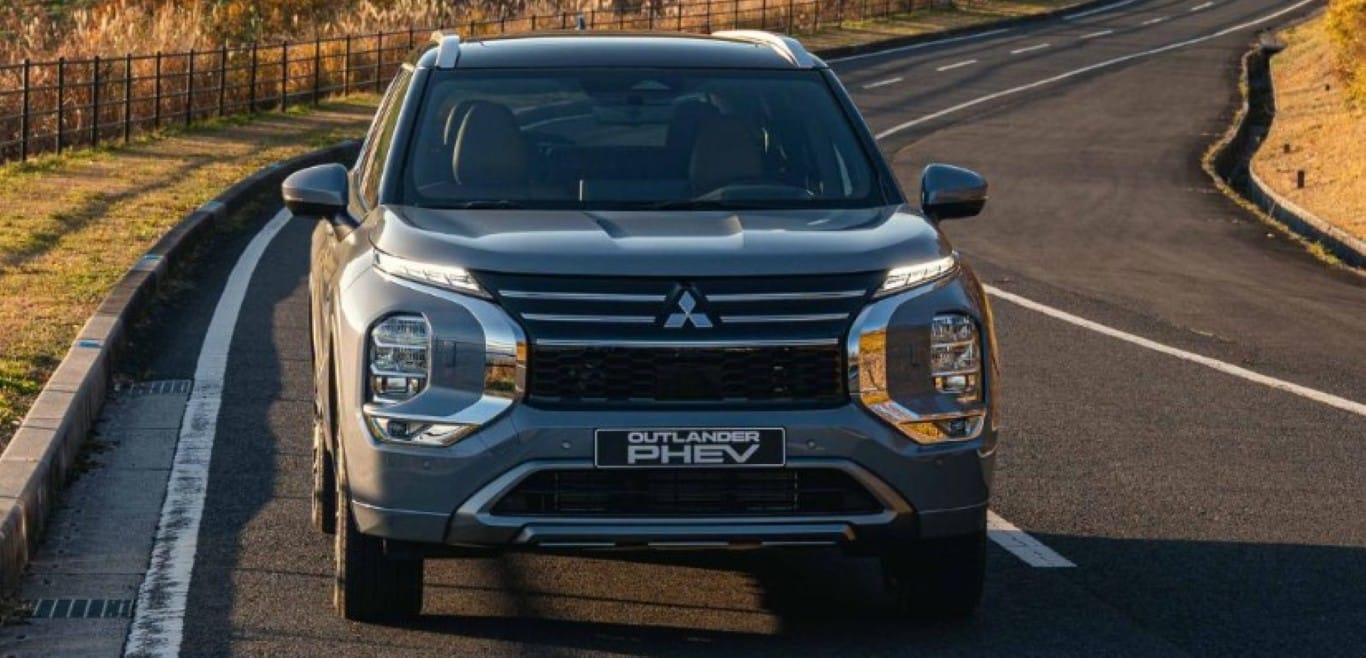
The national automotive industry receives a significant boost in the luxury sports utility vehicle segment with the official arrival of the fourth generation of HPE’s main electrified model Automotores. The vehicle, completely renovated and built on an unprecedented platform developed by the brand’s global alliance, arrives on the Brazilian market with the aim of combining the energy efficiency of electric motors with the versatility of a family car capable of transporting up to seven passengers. The strategy aims to meet the growing demand for vehicles that offer sustainability without compromising autonomy on long journeys, positioning the model as a robust alternative to Asian competitors that dominate recent sales.
This new iteration of the utility represents a considerable technological leap compared to its predecessor, abandoning old architectures in favor of a more rigid and modern base that allows better use of internal space. The exterior design adopts the evolved “Dynamic Shield” visual identity, giving the car a more imposing and aerodynamic presence, while the expanded dimensions ensure greater comfort for all occupants. Engineering focused on solving one of the main dilemmas of hybrid consumers: range anxiety, delivering a mechanical package capable of traveling long distances without the immediate need for recharging or refueling.
The launch occurs at a strategic moment for the sector, where the search for energy efficiency has become a decisive purchasing criterion, driven by fuel costs and environmental awareness. With estimated prices between R$300,000 and R$350,000, the model seeks to capture customers looking for a superior level of finish and technology, competing directly with established rivals such as the Toyota RAV4 and the BYD Song Plus, but offering the differential of a third row of seats and a high-performance mechanical all-wheel drive system.
Evolution of the mechanical set and performance
The heart of this new SUV is a deeply revised plug-in hybrid (PHEV) system, which combines a 2.4-liter Atkinson cycle combustion engine with two independent electric motors, one located on each axle of the vehicle. Esta configuration not only provides four-wheel drive, but also increases combined power to an impressive 302 horsepower, ensuring safe overtaking and agile responses in urban traffic. The front electric motor delivers 114 horsepower, while the rear unit contributes 134 horsepower, creating a driving dynamic that prioritizes the use of electricity most of the time.
The lithium-ion battery has received a substantial increase in capacity, increasing to 20 kWh. Este technical increase results in a range in pure electric mode of up to 86 kilometers in the WLTP cycle, enough distance to cover the daily commute of the vast majority of Brazilian drivers without using a drop of gasoline. Quando combined with the 53-liter fuel tank, the vehicle’s total range can reach 844 kilometers, eliminating the typical concerns of long journeys with electrified cars and offering greater flexibility of use than 100% electric models.
To manage this energy, the model offers different driving modes and versatile recharging options:
– Fast Carregamento in direct current stations (CHAdeMO standard), recovering 80% of the battery in about 38 minutes.
– Carregamento domestic using conventional sockets or wallbox, with a total estimated time of 6 hours for a full charge.
– Sistema adjustable regenerative braking through paddles on the steering wheel, allowing the driver to recover energy when decelerating.
Traction technology and driving dynamics
The brand’s tradition in rally competitions is reflected in the implementation of the new generation S-AWC (Super All-Wheel Control) system. Diferente of passive all-wheel drive systems, this technology actively manages the distribution of torque between the wheels and axles, using electric motors for instantaneous adjustments that guarantee maximum stability. The system integrates stability control, yaw control and selective braking, allowing the car to maintain the desired trajectory even in adverse grip conditions.
The driver has a selector available with seven different terrain modes, each calibrated to optimize throttle response and traction depending on the scenario:
– Normal: Para daily use on dry asphalt.
– Eco: Prioriza energy efficiency and use of electric mode.
– Power: Entrega maximum acceleration for force-demanding situations.
– Tarmac: Focado on winding, dry roads, increasing agility.
– Gravel: Ideal for dirt or gravel roads.
– Snow: Ajusta traction for slippery and snowy surfaces.
– Mud: Configuração for terrain with deep mud or soft sand.
Interior refinement and connectivity
Upon entering the cabin, one notices a deliberate effort to raise the level of luxury, following the Japanese concept of “Omotenashi”, which values hospitality and attention to detail. Acoustic insulation was reinforced with double glazing and sound-absorbing materials, creating a silent environment that isolates external noise and tire rolling. The finish uses soft-touch materials on the dashboard and doors, with visible seams and textures reminiscent of vehicles from higher segments, seeking to justify the model’s price positioning.
The digitalization of the cockpit is complete, centered on two high-resolution screens that dominate the front panel. The instrument panel is fully digital, measuring 12.3 inches, allowing personalization of driving, navigation and energy flow information. At the center, the 9-inch multimedia center offers wireless connectivity for smartphones, ensuring access to navigation and audio streaming applications without the need for cables. The premium sound system and multi-zone air conditioning complement the comfort package.
The versatility of the seven seats is one of the highlights of the project, with an intuitive and practical seat folding system. The third row, when not used, can be completely hidden in the floor, creating a flat and spacious cargo compartment for bulky luggage. Essa flexibility allows the vehicle to switch between passenger transport and freighter use in a matter of seconds, meeting the dynamic needs of modern families.
Active safety and driving assistants
In terms of occupant protection, the new SUV incorporates the MI-PILOT Assist technology package, which brings together a series of advanced driving assistants (ADAS). The system uses cameras and radars to monitor the vehicle’s surroundings, offering adaptive cruise control (ACC) with an automatic stop and start function in traffic jams, as well as a lane keeping assistant that acts on the steering to keep the car centered on the road. Passive safety is also a highlight, with the inclusion of 11 airbags distributed throughout the cabin, including a central bag between the front seats to prevent collisions between driver and passenger in side collisions.
The introduction of this model on the national market reinforces the manufacturer’s strategy of focusing on high-value-added products and hybrid technology, distancing itself from entry-level models. With the charging infrastructure still expanding in the country, the plug-in hybrid solution presents itself as the safest bridge to electrification, allowing electric use in the city and the freedom of the combustion engine on the roads, without relying exclusively on charging stations. The new utility arrives to compete for the preference of a demanding consumer, who values mechanical robustness combined with technological sophistication.
Palavras SEO Key:
Mitsubishi Outlander PHEV 2026, 7-seater hybrid SUV, electric car range, S-AWC technology, price Outlander Brasil.
Links searched:
https://www.mitsubishimotors.com.br/
https://www.uol.com.br/carros/noticias/
https://g1.globo.com/carros/
