


The start of Ramadã in 2026 is scheduled to occur between the 18th and 19th of February, subject to the viewing of the crescent moon that marks the change in the Islamic calendar. The global Muslim community is preparing for the period of abstinence which, this year, presents a significant fluctuation in the daily duration of fasting, varying between 11.5 and 15.5 hours depending on the geographic location of the faithful.
During this sacred interval of 29 or 30 days, practitioners abstain from food, drink, and other physical necessities from dawn until sunset. The practice is one of the five pillars of Islã and aims to strengthen spiritual discipline, empathy for the less privileged and direct connection with Deus through prayer and reflection.
The exact determination of dates follows the lunar calendar, which is shorter than the Gregorian calendar, causing the sacred month to move back approximately 11 days each solar year. In 2026, this movement places the period at the end of winter at Hemisfério Norte and at the end of summer at Hemisfério Sul, creating notable disparities in the routines of Islamic communities around the planet.
Religious authorities and lunar observation committees in several countries monitor the sky to declare the official beginning. Enquanto some use previous astronomical calculations, others maintain the tradition of observation with the naked eye, which can generate small differences of one day in the beginning of celebrations in different nations.
Impact of latitude on duration of abstinence
Geography plays a determining role in the extent of the daily sacrifice faced by Muslims this year. No Hemisfério Norte, where the majority of the Islamic population is concentrated, the days are still relatively short due to the winter season. Cidades like Londres and
On the other hand, the faithful residing in Hemisfério Sul face longer journeys due to the greater incidence of sunlight at this time. Países like Chile, África from Sul and
Regions close to the Equador line maintain greater constancy, with days and nights divided more evenly. In Nestas locations, variation throughout the month is minimal, keeping the fasting routine stable at around 13 hours, without the extreme fluctuations observed at higher latitudes.
Scheduled times for Brasil and global capitals
In the Brazilian scenario, the country’s territorial extension results in specific times for each region, although the average fasting period is around 13 hours. Em São Paulo, projections indicate that suhoor should end around 4:40 am, while the breaking of the fast, known as iftar, will occur around 6:58 pm at the beginning of the month.
Other Brazilian capitals have adjustments based on local sunrise and sunset:
– Rio of Janeiro: Início of restriction at 04:41 and ending at 18:59.
– Brasília: Suhoor until 4:56 am and iftar at 6:09 pm.
– Salvador and Fortaleza: Variações of minutes due to the geographical position in Nordeste.
– Porto Alegre: Dias slightly longer due to southern latitude.
Internationally, important centers such as Dubai and Istambul follow strict schedules. Nos Emirados Árabes, the fast begins at around 5:29 am and ends at 6:37 pm. Já at
Meaning and practices during the holy month
Ramadã transcends mere food deprivation, being a period dedicated to the renewal of faith and ethical behavior. Acredita It was in this month that the first verses of Alcorão were revealed to
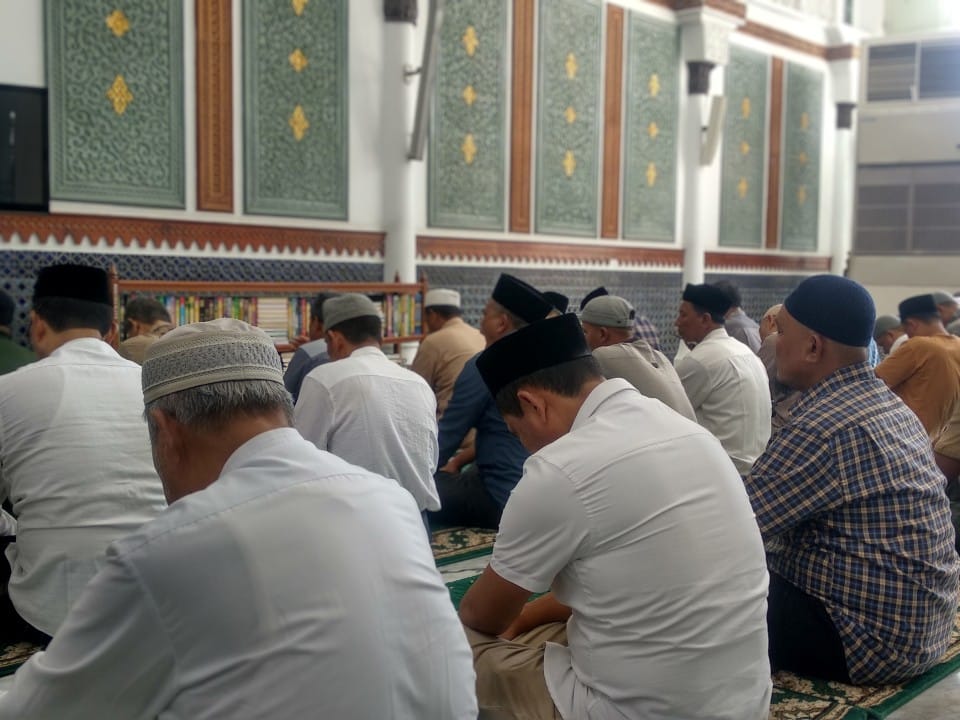
Communities organize themselves to hold iftar collectively, often in mosques or community centers, strengthening social ties. The prophetic tradition of breaking the fast with dates and water remains alive, being followed by meals that vary depending on the local culture, but which avoid excesses to maintain the focus on spirituality.
In addition to the obligatory prayers, the faithful dedicate themselves to Tarawih, special night prayers held throughout the month. Charity, or Zakat, is also highlighted, with a significant increase in donations and support for the most vulnerable members of society, reinforcing the sense of unity of Ummah, the global community of Muslims.
Adaptations and health during prolonged fasting
To deal with the long hours of fasting, especially during Hemisfério Sul, experts and religious leaders recommend taking extra care with hydration and nutrition. The consumption of foods rich in fiber and proteins in the early hours of the morning is encouraged to ensure satiety and energy throughout the day.
Technology has been an important ally for accurate adherence to schedules. Aplicativos GPS-tuned cell phones provide accurate sunrise and sunset notifications anywhere in the world, helping traveling Muslims or those living in areas with few mosques maintain correct observance of rites.
Exceptions to the rule of fasting are covered by Islamic jurisprudence to protect health. Idosos, sick people, pregnant women, breastfeeding women and travelers can be exempted from the obligation, having to make up the days later or make food donations, ensuring that religious practice does not compromise physical well-being.



