
Power bank and battery on the plane: what can you take and what is prohibited on board?
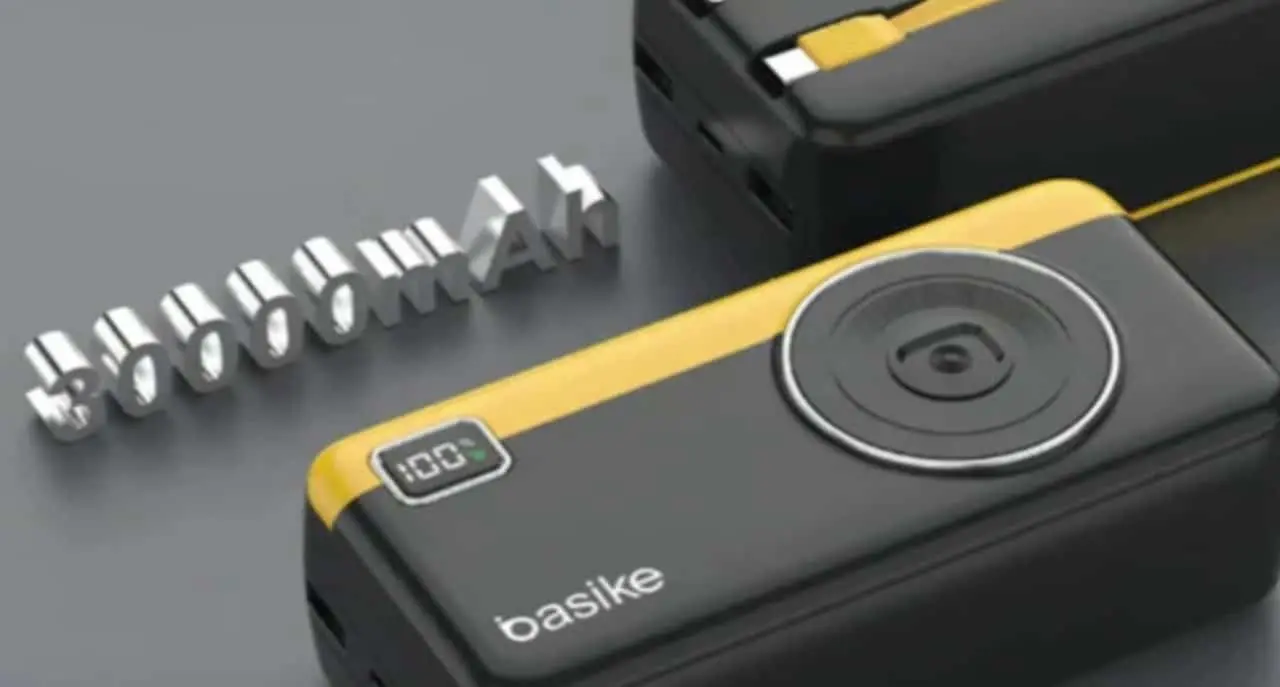
The transportation of electronic devices and their batteries aboard commercial aircraft has been a topic of increasing concern for aviation authorities around the world. Incidentes recent events, such as the release of smoke from a portable charger in mid-flight, have raised awareness about the risks inherent to these items if they are not handled in accordance with established standards. Agência Nacional of Aviação Civil (Anac) and other regulatory entities maintain clear guidelines to minimize potential hazards, especially those associated with lithium batteries.
The main concern lies in the potential for overheating and fire that lithium batteries can present. If these events occur in the passenger cabin, the crew can intervene quickly to control the situation. However, if a battery has problems in the cargo compartment, the response is limited, increasing the risk of a catastrophe. The importance of following the rules is essential to ensure the safety of everyone on board.
Various situations, some widely publicized, reinforce passengers’ need for attention. A notable case from previous years involved a public figure who had to disembark to remove a cell phone battery packed in his suitcase, highlighting that even common items need care when traveling by plane. Compreender the specificities of each type of battery and electronic device are crucial to avoid inconvenience and, most importantly, guarantee a safe flight.
Watt-hour capacity: the fundamental criteria for shipment
Anac establishes capacity in watt-hours (Wh) as the main indicator for determining whether a battery can be transported on commercial flights. Este number, usually printed on the device itself, defines the permissions or restrictions imposed on the passenger. It is vital to check this specification before packing your luggage.
Batteries with a capacity of up to 100 Wh are permitted on board without requiring any prior authorization from the airline. Esta category covers the vast majority of electronic devices for personal and daily use, making transportation quite hassle-free for most travelers.
For batteries with a capacity between 100 Wh and 160 Wh, transportation already depends on express approval from the airline chosen for the flight. In Nessas situations, it is recommended that you contact the company in advance to obtain the necessary permissions and understand any additional limitations, such as the number of units allowed per passenger.
Above 160 Wh, batteries are categorically prohibited on commercial flights at Brasil. Esta restriction aims to mitigate high risks associated with high-power devices, which present a greater danger in the event of failure. Everyone’s safety is the main motivation behind this guideline.
Learn more: PlayStation 5 Pro price drop accelerates digital retail sales and eliminates global stocks
Personal electronic devices and the location of transportation
Cell phones, notebooks and tablets, the inseparable companions of many travelers, generally have batteries that fall in the range of up to 100 Wh. Essa feature allows them to be transported in both hand luggage and checked baggage, offering flexibility to passengers. Contudo, there are important recommendations to follow for each transport option.
Although these items are permitted to be checked in, Anac and the airlines strongly recommend that they be taken in the cabin as part of hand luggage. The presence of these devices inside the aircraft facilitates the rapid identification and containment of any battery-related problems, increasing flight safety.
If the passenger chooses to check in cell phones, notebooks or tablets, some precautions are essential. The equipment must be completely turned off before being placed in luggage, not just in sleep mode. Além Furthermore, it is crucial to protect it against any accidental activation during transport, as well as to package it safely to avoid physical damage that could compromise the integrity of the battery.
Power banks: specific restrictions for your security
Popular power banks, also known as portable chargers or external batteries, follow the same capacity ranges in Wh applied to other batteries. Contudo, present a crucial distinction in their transport rules that requires extra attention from passengers.
Unlike other electronics, power banks cannot be shipped under any circumstances. Esta rule is non-negotiable and aims to ensure that, in the event of failure or overheating, the crew has immediate access to the device to take the necessary safety measures, minimizing the risk on board.
Therefore, these devices must be transported exclusively in hand luggage. It is essential that they are protected against short circuits, which can be done by keeping them in their original packaging, using protective bags or isolating exposed terminals with adhesive tape.
Read also: Anac rules define limits for transporting power banks and batteries on commercial flights
Like other batteries, power banks with up to 100 Wh can be taken into the cabin without authorization. Aqueles that are between 100 Wh and 160 Wh require prior approval from the airline, and are generally limited to two units per passenger. Dispositivos over 160 Wh remain prohibited on commercial flights, without exception.
Drones and larger equipment in air travel
More robust equipment, such as drones and professional camcorders, which often use larger capacity batteries, also fall under watt-hour-based Anac regulations. Compliance with these rules is essential to avoid impediments to boarding.
When the battery of this equipment has a capacity of up to 100 Wh, transportation is permitted, following the same guidelines as for smaller electronics. Essa flexibility allows enthusiasts and professionals to take their devices to different destinations without major complications, as long as they respect the limits.
However, if the battery capacity is between 100 Wh and 160 Wh, the passenger will need to obtain authorization from the airline before boarding. It is common for companies to limit the number of spare batteries in this range, so prior communication is essential to ensure problem-free transport.
In cases where the battery is removable, it must be transported separately in hand luggage, applying the specific rules for single batteries. Garanta that it is protected against short circuits, which can be done by insulating the terminals to avoid accidental contact with other metallic materials. Baterias with more than 160 Wh are prohibited, even for drones and professional equipment.
Lithium metal batteries and common batteries
The classification of batteries for air transport is not always based solely on watt-hour capacity. In the case of lithium metal batteries, which are of the non-rechargeable type, the main criterion is the amount of lithium present, measured in grams. Este detail is crucial for some specific device types.
On the same topic: New Apple system update optimizes urgent task management for iPhone users
The limit established for lithium metal batteries is up to 2 grams of lithium per unit. Dentro of this limit, transportation is permitted, whether in equipment or as spare parts, as long as they are properly protected against short circuits. Acima of 2 grams, but not exceeding 8 grams, shipping is prohibited, although, in some circumstances, they can be transported in the passenger cabin, integrated with electronic devices. Essas batteries are often found in certain batteries, as well as in equipment such as motorized suitcases or communication devices, requiring specific attention. Traditional alkaline batteries, such as AA and AAA models, are more flexible and can be transported in both hand and checked luggage, without major restrictions. Para lithium metal batteries, the rule of 2 grams per unit must be strictly observed, and when transported loose, they must be protected against short circuits and preferably carried in hand luggage.
Vapes, e-cigarettes and scooters: clear bans
Devices such as electronic cigarettes, vapes and similar devices have very specific and strict rules for air transport. It is essential that passengers are aware of these regulations to avoid disruptions at the airport.
This equipment can only be taken in hand luggage, without exception. It is strictly prohibited to ship them in the aircraft hold due to the risk of fire and the impossibility of monitoring by the crew in case of failure. The ban also extends to use and recharging during the flight, measures aimed at the safety and comfort of all passengers.
Electric scooters, recreational scooters, and other personal mobility devices with electric motors generally contain batteries with a capacity greater than 160 Wh. For this reason, as a rule, these items cannot be transported on commercial flights, even if they are dismantled. The high capacity of the batteries in these equipment poses a significant risk to aircraft safety, and airlines strictly enforce this prohibition.
Aids to mobility and individualized attention
Electric wheelchairs and other essential mobility devices for passengers with special needs follow a different set of rules, which balances accessibility with operational safety. Essas situations often require prior communication and coordination with the airline.
Full coverage: News (EN)
When these aids use removable lithium ion batteries, they must comply with the capacity limits established for single batteries, generally requiring them to be transported in hand luggage. Além In addition, communication with the airline is a mandatory step, allowing the company to prepare appropriate procedures for the safe boarding of the passenger and their equipment.
If the battery in your wheelchair or other mobility device is not removable, the airline may require additional safety procedures prior to boarding. In Nestes cases, the assessment is carried out individually, considering the specificities of the equipment and the applicable safety standards to ensure that transport is carried out without risk. Passenger cooperation and advance communication are essential for a smooth boarding.
More news in News (EN)
See more → Samsung releases new system update with new features for Galaxy Watch 4 users
 Digital retail reduces the value of the Galaxy S25 5G smartphone with bank bonuses and device exchange
 Amazon’s wireless CarPlay adapter has a 50% discount and high approval ratings from drivers
 Zach Cregger’s new Resident Evil ignores games and focuses on an unprecedented story with new characters
 Rumor suggests that Nintendo is preparing a special edition of the Switch 2 with a remake of Ocarina of Time
 Apple accelerates production of the iPhone 17e and develops new Air model with dual camera system
 Epic Games platform releases twelve high-budget games at no permanent cost for PC users
 PlayStation 5 Pro price drop accelerates digital retail sales and eliminates global stocks
 New Galaxy Watch 9 firmware appears on server and confirms progress in software development
 Apple’s commemorative project tests cell phone with 1.1 millimeter edge and curved screen for 2027
 New Apple system update optimizes urgent task management for iPhone users
 Leak details hardware of the new portable PlayStation with superior graphics to the Xbox Series S
More news on Mix Vale
- 1Colby Minifie confirms Ashley Barrett’s powers in The Boys season five
- 2Napoli x Milan in Serie A with confirmed lineups and where to watch live
- 3New battery test puts Galaxy S26 Ultra ahead of iPhone 17 Pro Max in global ranking
- 4Research reveals that parents are unaware of how their children use artificial intelligence
- 5Oppo officially launches the Find X9 Ultra worldwide with Hasselblad lenses and robust battery
- 6Tim Cook reveals new iPhone and iPod prototypes in celebration of Apple’s fiftieth anniversary
- 7New edition of foldable smartphone brings gold finish to Winter Games competitors
- 8Android system receives native Gemini Nano 4 integration for offline processing on smartphones
- 9Samsung updates QuickStar module and expands visual control of the panel in the One UI 8.5 interface
- 10Leak reveals Lords of the Fallen and Sword Art Online in April’s PS Plus Essential catalog