
Renewed Japanese hybrid surprises with high energy efficiency and new technological safety package


The global reference in automotive electrification reaffirms its position in the market with the arrival of the updated Prius line. The model, which consolidated the fifth generation in its history, features technical refinements that increase the combined power to up to 223 hp in the plug-in configuration, transforming the perception of performance associated with vehicles focused on fuel economy. Acceleration from 0 to 100 km/h, now achieved in around 7 seconds in specific versions, demonstrates the brand’s commitment to combining agility with sustainability.
The sedan maintains its architecture based on the second generation TNGA platform, which provides a lower center of gravity and greater torsional rigidity. Essa structure is fundamental not only for passive safety, but also for driving dynamics, allowing the vehicle to negotiate curves with more stability and precision, characteristics that distance the current model from its more conservative predecessors.
In terms of efficiency, the numbers continue to impress experts and consumers. Under ideal driving conditions, the conventional hybrid version exceeds the 27 km/l mark, consolidating itself as one of the most economical gasoline-powered options available globally. Já the plug-in variant offers a range in pure electric mode that can reach 70 km, covering most daily urban journeys without the need to activate the combustion engine.
Evolution of the mechanical set and performance
The heart of the new Prius lies in its fifth-generation hybrid system, which integrates a 2.0 gasoline engine with high-efficiency electric drives. In the standard configuration with front-wheel drive, the package delivers 196 hp, ensuring quick responses to the accelerator, essential for overtaking and restarting on highways. Electronic energy management was recalibrated to prioritize the use of electricity at low speeds, optimizing urban consumption.
Para For drivers looking for greater versatility, the PHEV version (Plug-in Hybrid Electric Vehicle) stands out for its balance between power and autonomy. The 152 hp combustion engine works in harmony with electrical units that, together, deliver 163 hp, resulting in a combined power of 223 hp. The 13.6 kWh lithium-ion battery, positioned under the rear seat, allows full recharges in approximately four hours using standard household sockets.
- Acceleration from 0 to 100 km/h in approximately 6.7 seconds in the PHEV version.
- Electronic all-wheel drive system available in select markets.
- e-CVT transmission optimized to reduce noise and vibrations.
- Selectable driving modes that alter throttle and steering response.
Aerodynamic design and visual identity
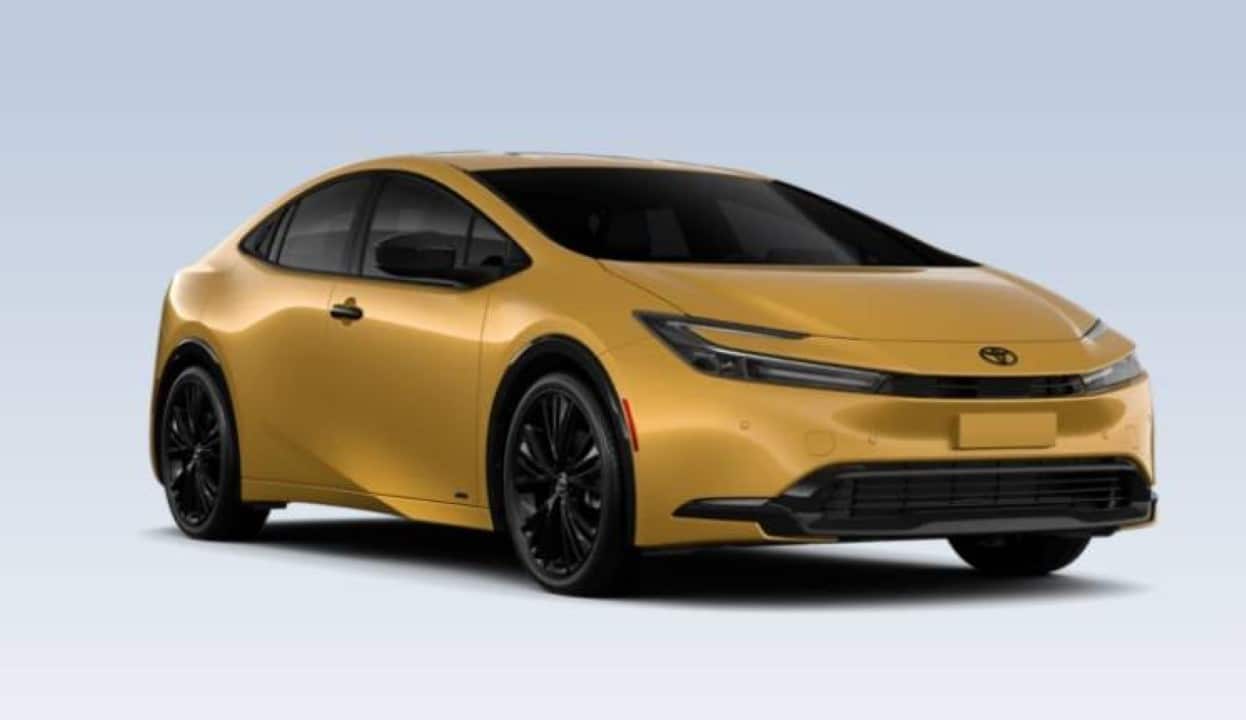
The vehicle’s aesthetics break with conservatism, adopting a silhouette inspired by sports coupes. The curved roof, whose highest point has been moved to the rear, contributes significantly to reducing the drag coefficient, allowing the car to cut through the air with less resistance. Essa physical characteristic directly impacts fuel economy at high speeds, where air resistance is the biggest enemy of efficiency.
At the front, the hammer-shaped headlights, with LED technology, create a distinct and aggressive light signature. The front grille has been redesigned to improve airflow for the cooling system, while the light alloy wheels, which can reach 19 inches in the top versions, fill the wheel arches giving a robust and planted look to the ground. The rear features a continuous light bar that connects the lights, emphasizing the width of the vehicle.
Embedded technology and connectivity
The interior of the cabin was designed following the concept of “island architecture”, where controls are grouped logically to facilitate driver access. The highlight is the central infotainment screen, which can reach 12.3 inches, offering high resolution and an intuitive interface. Smartphone integration is complete, supporting Apple CarPlay and Android Auto without the need for cables, keeping the center console clutter-free.
The 7-inch digital instrument cluster, positioned in a high line of sight, provides crucial driving data such as power flow, speed and safety alerts. The premium sound system, available in higher configurations, was specifically tuned to the cabin’s acoustics, which received reinforced acoustic insulation to minimize rolling and wind noise.
Além of entertainment, convenience is reinforced by items such as induction charging for cell phones, multiple USB-C ports distributed throughout the cabin and dual-zone digital air conditioning with pollen filter. The fixed panoramic sunroof, optional on some versions, increases the feeling of interior spaciousness, compensating for the lower roofline.
Assistance and active safety systems
Safety remains a central pillar in the development of the model, which leaves the factory equipped with the updated Toyota Safety Sense package. The pre-collision system now has greater sensitivity to detect pedestrians and cyclists, even in low light conditions, and can automatically apply the brakes if the driver does not react in time. Adaptive cruise control operates in all speed ranges, making long journeys and heavy traffic easier.
- Lane change alert with active steering assistance.
- Blind-spot monitoring with rear cross-traffic alert.
- Traffic sign recognition displayed on the digital panel.
- Automatic high beam assist to avoid dazzling other drivers.
Semi-autonomous driving in traffic jams is another feature that reduces driver stress. Sensores and cameras constantly monitor the vehicle’s surroundings, allowing the system to take control of acceleration, braking and steering in slow traffic situations, as long as the driver keeps his attention on the road. The automatic parking system has also been improved, making it possible to maneuver the vehicle in parallel and perpendicular spaces with greater precision.
Global Market and Outlook
The launch covers the world’s main automotive markets, including América from Norte, Europa and Ásia, with prices varying according to the tax burden and equipment packages in each region. Nos Estados Unidos, the entry model positions itself competitively, seeking to attract not only brand enthusiasts, but also new customers interested in the energy transition.
The Japanese manufacturer’s strategy involves the possibility of expanding into emerging markets, where demand for electrified vehicles has been growing consistently. The import of the Brasil, although subject to strategic and exchange rate assessments, remains on the radar, considering the model’s acceptance history in the country and the need for automakers to meet the new emissions and energy efficiency targets stipulated by local regulatory bodies.




