

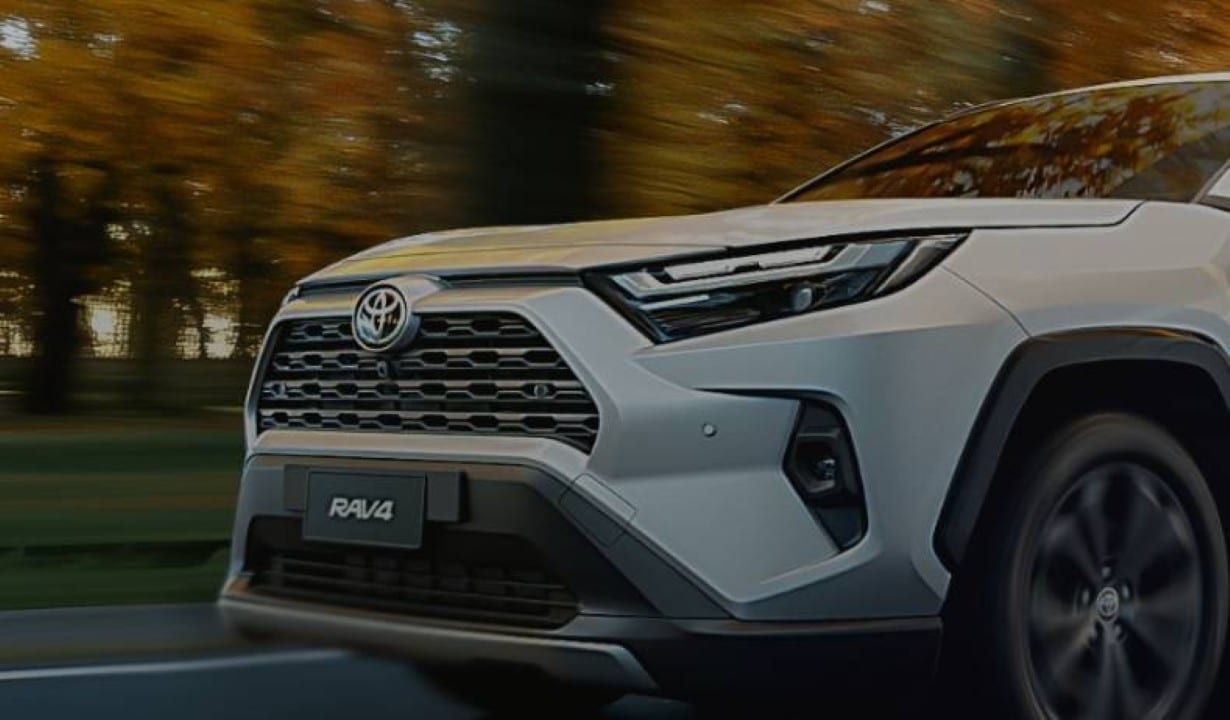
The strategic decision to completely convert the production line to hybrid vehicles generated an immediate mismatch between supply and demand at the brand’s dealerships. The move, focused on meeting new environmental and consumer demands, resulted in logistical bottlenecks that left the automaker’s most popular SUV in short supply, frustrating buyers seeking the latest technology.
Consumers who visit stores in search of the new model face extended delivery times and practically zero stocks. The complexity in manufacturing batteries and the high global demand for electrical components created a scenario where production capacity cannot keep up with the pace of sales, forcing the company to review distribution schedules to try to normalize the flow in the coming weeks.
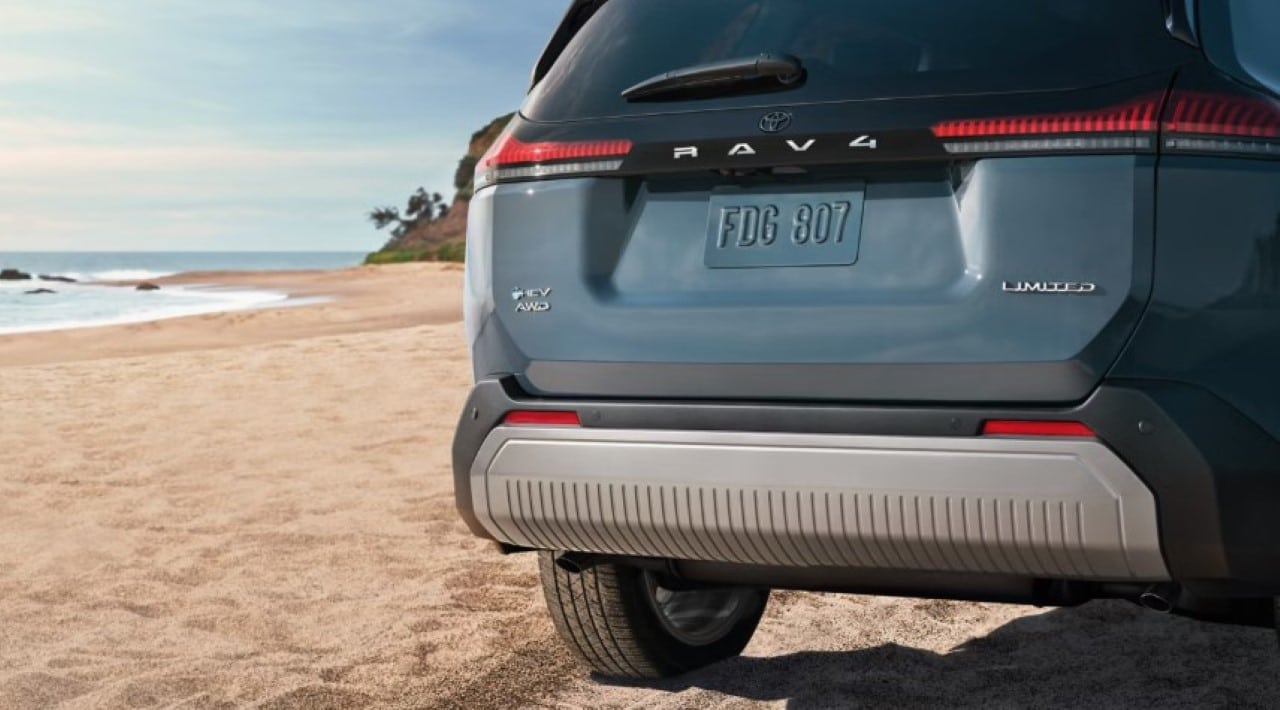
Challenges in the production chain
The shortage of essential components for hybrid systems has become the main obstacle to regularizing stocks. Diferente than traditional combustion models, the new architecture requires a greater quantity of semiconductors and battery cells, items that still suffer from fluctuations in the global supply chain.
Executives at the automaker recognize that the transition to a 100% electrified fleet has brought operational challenges not anticipated on the current scale. The original planning included faster stabilization of partner suppliers, which did not materialize at the speed necessary to supply large markets.
To mitigate the impacts, delivery logistics were changed, prioritizing regions with a higher volume of open orders. However, the measure is palliative and the expectation is that the balance between production and sales will only be fully restored after the expansion of battery assembly lines.
Viable alternatives for the consumer
Given the unavailability of the SUV, dealers have directed customers to other options within the portfolio that share the same technology and reliability. The Camry sedan appears as the main alternative, offering the same refined mechanical package and immediate availability, serving as a rational option for those who cannot wait months for the vehicle.
The sedan model features robust technical specifications that directly rival the missing utility vehicle. Equipado with a 2.5-liter engine and electric assistance, the vehicle delivers remarkable energy efficiency, making it a logical choice for urban and highway use. Key features that attract buyers include:
- 2.5-liter hybrid engine with high thermal efficiency.
- Combined autonomy that can surpass the 1,000 kilometer mark on a tank.
- Competitive starting price in the range of $31,900.
- Immediate availability in different finishing configurations.
Price and market dynamics
The lack of products on the shelves led to an increase in the value of available models and kept prices at high levels. The average transaction value in the segment rose considerably, reflecting the law of supply and demand, where ready-to-deliver units have become valuable assets.
With a competitive suggested starting price, the alternative sedan is strategically positioned below the $50,000 barrier, a figure often surpassed by more equipped SUVs. Essa financial difference has been decisive in converting sales that would otherwise be lost to competitors.
Market analysts point out that brand loyalty has kept many customers safe, even in the face of waiting. The durability history and resale value of the Japanese manufacturer’s hybrids weigh favorably, causing many to choose to wait or migrate between categories within the brand itself.
The tendency is for normalization to occur gradually, as new lithium and chip supply contracts are signed. Até there, managing customer expectations and offering substitute products with equivalent technology will continue to be the main retail tactic for maintaining sales volume.



