

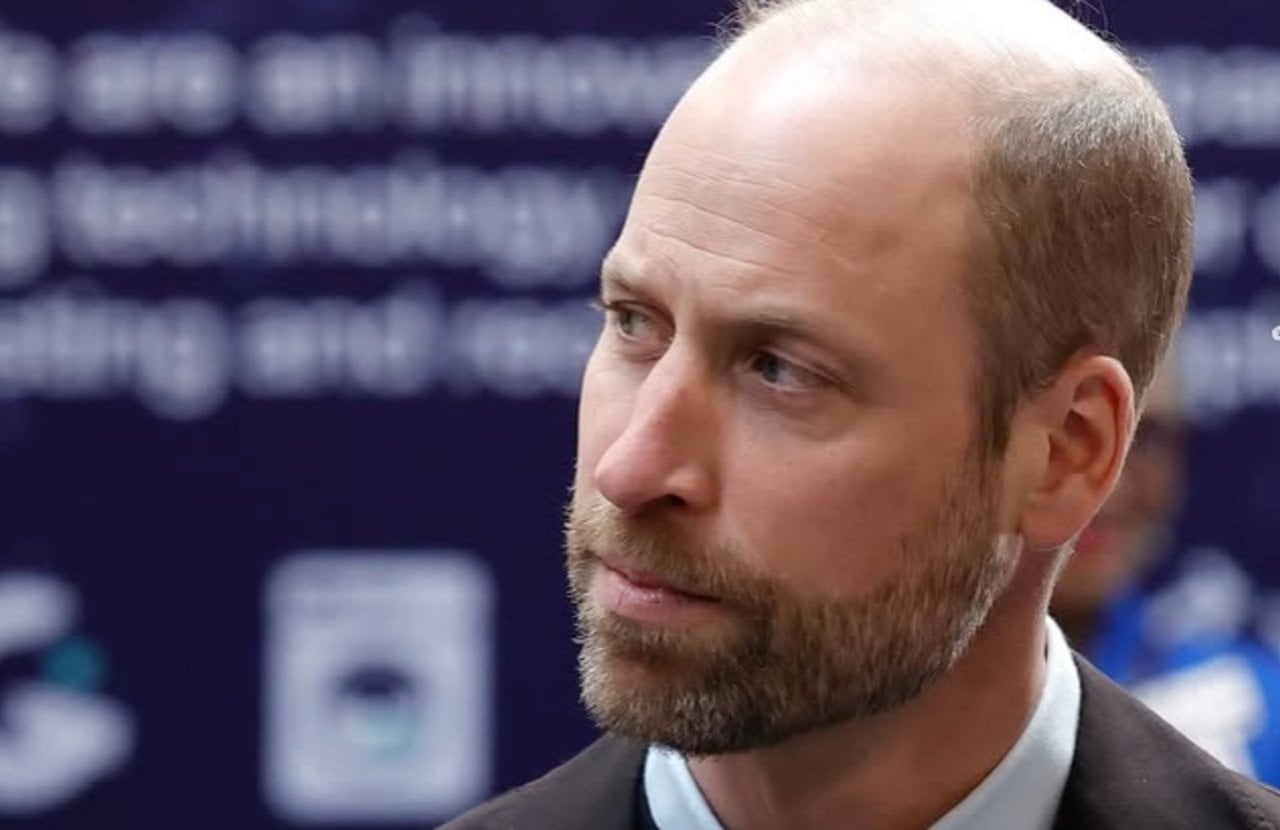
The dynamics of power and preservation of institutional image within Casa of Windsor reveal that the current heir to the British throne adopted a rigid stance long before his uncle’s public collapse. Informações detailed in a new biographical work indicates that Príncipe of Gales was already putting pressure on his father and the late Rainha Elizabeth II so that Duque of
Journalist Russell Myers, author of the publication that explores the behind-the-scenes of royalty, describes a scenario where distrust about the conduct and usefulness of Andrew Mountbatten-Windsor was already a recurring topic in William’s private conversations. The heir’s perception was that his uncle not only failed to contribute to the monarchical agenda, but also constituted a latent threat to the stability of the institution, long before the disastrous interview given to the BBC in 2019.

Sources linked to Palácio indicate that this critical vision was consolidated as a defense strategy for the future reign. William’s insistence on isolating his uncle from public activities was not just a reaction to fait accompli, but an attempt at preventative shielding. Time eventually validated the prince’s concerns, culminating in drastic changes to the royal hierarchy and privileges in early 2026.
The development of recent events, driven by the release of new court documents relating to the Jeffrey Epstein case, forced a definitive restructuring. Andrew, who had already lost his military honors, faced the loss of his princely title at the beginning of this year and the obligation to leave his historic residence, confirming the hard line defended by his nephew for years.
Strategic vision and legacy protection
William’s stance reflects a generational change in the way royal crises are managed. Enquanto previous generations could have opted for a more lenient or discreet approach, Príncipe of Gales demonstrated pragmatism in identifying vulnerabilities. Ele argued that Andrew’s continued association with controversial figures and his lack of discernment were incompatible with a modern monarchy that seeks relevance and public respect.
The book highlights that the conversations between William and Rei Charles III were decisive for the current outcome. The heir made it clear that the institution’s survival depended on cutting ties with elements that generated discredit. Essa proactive attitude contrasts with the image of a passive royal family, showing a central nucleus willing to make difficult decisions to guarantee the continuity of the crown.
Practical consequences in 2026
The year 2026 marked the final point in the public trajectory of the king’s brother. Após the release of new files by the North American courts, internal and external pressure became unsustainable. The most symbolic and practical change occurred in February, when Andrew was instructed to vacate Royal Lodge, a 30-room mansion in Windsor where he had resided since 2003.
The move to a smaller, more isolated property at Sandringham, Norfolk, signals the end of any hope of a return to public life. Além of the physical change, the formal removal of the “prince” treatment, leaving him only as Andrew Mountbatten-Windsor, directly responds to what William defended: a clear separation between the institution and the individual.
The following points summarize Duque’s recent decline from York:
– Perda definitive use of the title of Sua Alteza Real and the designation of prince in official documents.
– Desocupação forced from the luxury residence in Windsor to a modest country house.
– Investigação continued by the Metropolitan Police regarding the sharing of confidential information.
– Isolamento total of official ceremonies and family events, except on a strictly private basis.
Impact on princesses Beatrice and Eugenie
Andrew’s daughters find themselves in a delicate position given the sanctions imposed on their father. Beatrice and Eugenie maintain their princess titles, but their participation in the official agenda remains restricted. The strategy led by William and Charles seeks to protect the nieces from direct scrutiny, allowing them to live their private lives, but without integrating them into the working core of the monarchy, known as “The Firm”.
Although there is no evidence that they will lose their status, the institutional “diet” imposed on the York family is evident. Their presence at events is carefully calculated so as not to generate media noise that could be associated with their father’s scandals. The balance between family affection and institutional duty continues to be a challenge managed with caution by Palácio of Buckingham.
The future of Royal Lodge and the monarchy
With ownership of Windsor now vacant, there is speculation about the future use of Royal Lodge. The crown administration assesses maintenance costs and the possibility of renovations to adapt the site to new occupants or institutional purposes. The departure of Andrew represents not only a personal punishment, but a measure to save and rationalize real assets, in line with the vision of a leaner monarchy.
William’s firmness in this episode reinforces his image of leadership. By prioritizing the crown’s reputation over family ties, he signals to the British public and the international community that ethics and responsibility are non-negotiable pillars of his future reign. The management of the “Andrew problem” therefore serves as a case study on how Príncipe of Gales intends to lead the institution in the coming decades.



