
Battery module failure leads BYD to recall 96,000 Qin Plus hybrid vehicles


Chinese automaker BYD has initiated a comprehensive recall process involving almost 97,000 units of its plug-in hybrid model, in response to a manufacturing flaw identified in the energy management system. The safety measure aims to correct a defect in the battery controller which, under specific conditions, can present inaccurate voltage readings and compromise the vehicle’s thermal stability, increasing the risk of serious incidents such as fires. The preventive action reflects regulatory authorities’ vigilance over the safety of electrified vehicles, requiring immediate repairs to protect occupants.
Technical details and defect identification
The safety recall specifically affects the Qin Plus DM-i model, with units manufactured between January 2021 and September 2023.
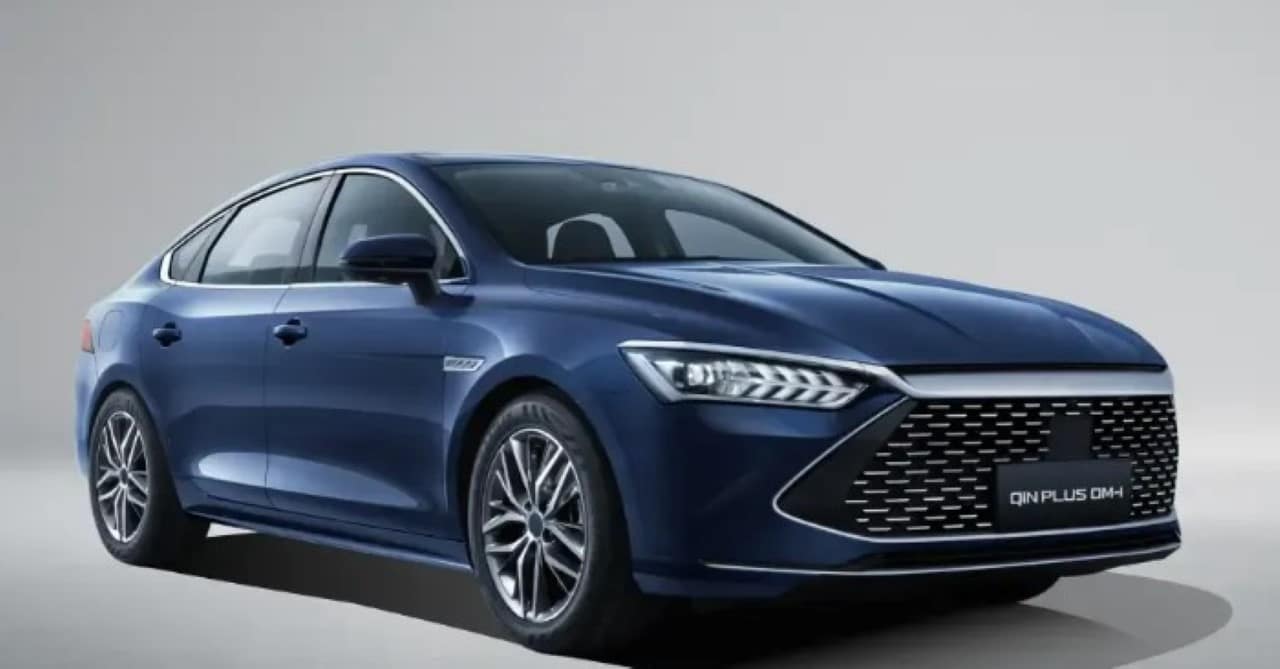
Instability in the management module can trigger a series of anomalous behaviors in the hybrid system, including:
- Incorrect battery cell voltage readings.
- Inability of the system to interrupt operation in error situations.
- Overheating of the controller module due to overload.
- Potential risk of combustion if thermal control fails.
Remote patch and update procedures
To resolve the problem efficiently, the manufacturer will implement a software update via OTA (Over-the-Air) technology, eliminating the need for physical visits to dealerships in most cases. The new firmware will improve the system’s diagnostic algorithms, allowing more accurate detection of variations in voltage and ensuring that the vehicle automatically adopts protective measures when identifying any anomaly in the functioning of the batteries.
In cases where the digital diagnosis identifies physical damage or irreversible wear to the controller hardware, the company has committed to carrying out a complete replacement of the component at no cost to the owners. Esta hybrid repair approach seeks to minimize inconvenience to drivers while maintaining focus on the structural integrity of the electrical system.
Impact on safety and guidance for owners
The initiative comes at a time when the automotive industry is stepping up safety protocols for new energy vehicles. Market authorities oversee the process to ensure that all affected units receive the necessary correction, mitigating risks associated with high voltage and energy storage in lithium-ion batteries.
Owners of vehicles included in the production batch must monitor official notifications sent through the car’s multimedia system or through the brand’s communication channels. Carrying out the repair is mandatory to ensure the safe operation of the vehicle and avoid critical failures during driving or charging.



