

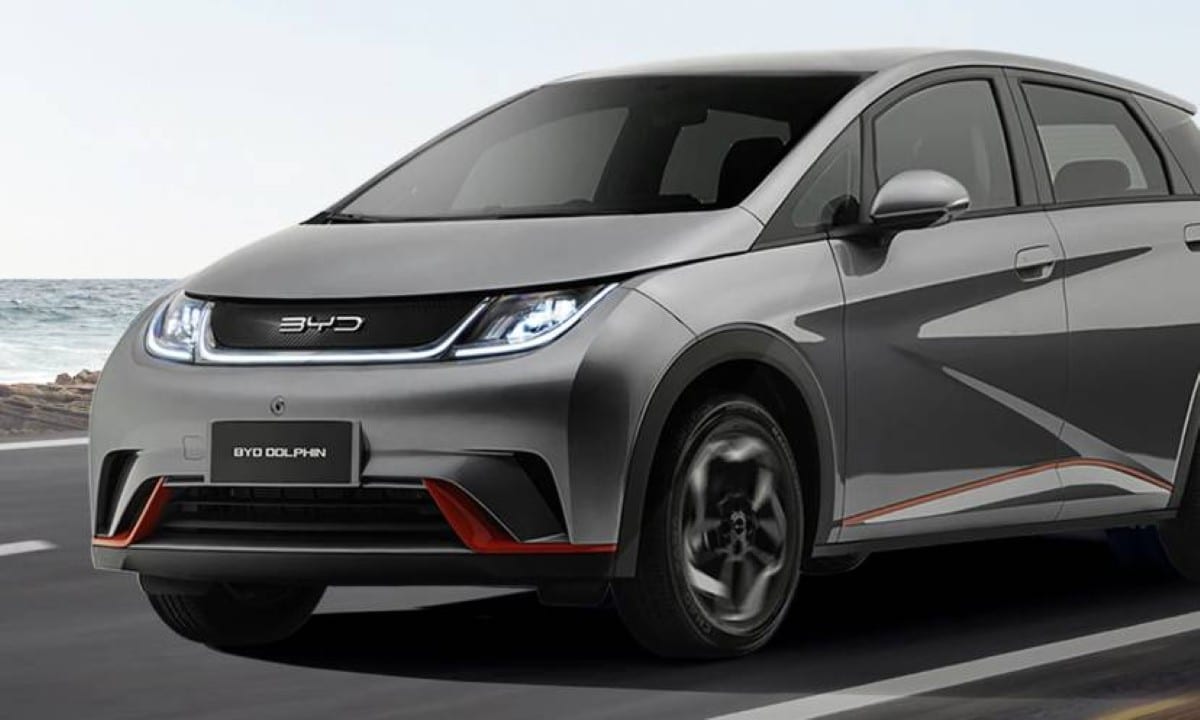
The fight for the entry segment of electrified vehicles in the Brasil takes on a new chapter with the strategic movement of the Asian automaker that leads sales in the sector. Para maintain commercial attractiveness in a scenario increasingly populated by options from rival brands, the manufacturer chose to freeze the suggested price of R$ 149,990 on its compact model, simultaneously enriching the package of standard items.
This decision reflects an aggressive positioning aimed at gaining loyalty from consumers looking for their first battery-powered car. The strategy focuses on offering more technology and convenience without passing on additional costs to the final value of the label, an essential tactic to maintain leadership in the registration ranking.
The focus of the updates is on the daily use experience and comfort on board, meeting long-standing demands from owners and specialized critics. The main new feature in the cabin is the introduction of electrical adjustment for the driver’s seat, a convenience feature that raises the vehicle’s standard compared to direct competitors that still use manual adjustments.
In addition to the ergonomic improvement, the functionality of the center console has been improved with the installation of an induction smartphone charger. The equipment allows you to recharge compatible mobile devices without the need for exposed cables, contributing to a cleaner, more organized and technological internal environment, in line with the expectations of modern consumers.
Details about the engine and performance
Despite the new improvements in the finish and equipment list, the mechanical set preserves the characteristics that consolidated the model on Brazilian streets. The electric motor delivers 95 horsepower and an immediate torque of 18.4 kgfm, numbers that guarantee sufficient agility for urban traffic and safe recovery on expressways.
Acceleration from 0 to 100 km/h takes approximately 12 seconds, demonstrating that the vehicle’s calibration favors energy efficiency and driving comfort over aggressive sporting performance. The suspension setup remains focused on absorbing irregularities, adapting to the proposal of a family car for intense daily use.
The energy source remains the 44.9 kWh Blade battery, which uses lithium-iron-phosphate (LFP) chemistry. Essa technology is widely recognized in the global automotive industry for its thermal stability and high safety, having surpassed rigorous drilling tests without presenting any risk of fire or explosion, which reinforces the product’s reliability among the Brazilian public.
Operational advantages and maintenance costs
One of the model’s greatest attractions lies in its low operating cost, which becomes an important economic differentiator in the long term for those migrating from combustion vehicles. The savings generated on a daily basis, added to the predictability of expenses, make up a rational selling argument for the consumer:
- The estimated cost per kilometer driven is just R$0.15, considering the average residential energy tariffs in force in the country.
- The ability to quickly recharge using direct current (DC) allows you to recover 30% to 80% of the battery’s energy in around 30 minutes.
- The scheduled revision plan up to 100 thousand kilometers has a total cost set at approximately R$3,980.
- The factory warranty for the battery is eight years, offering security for investment and increased value on resale.
Functional design and use of space
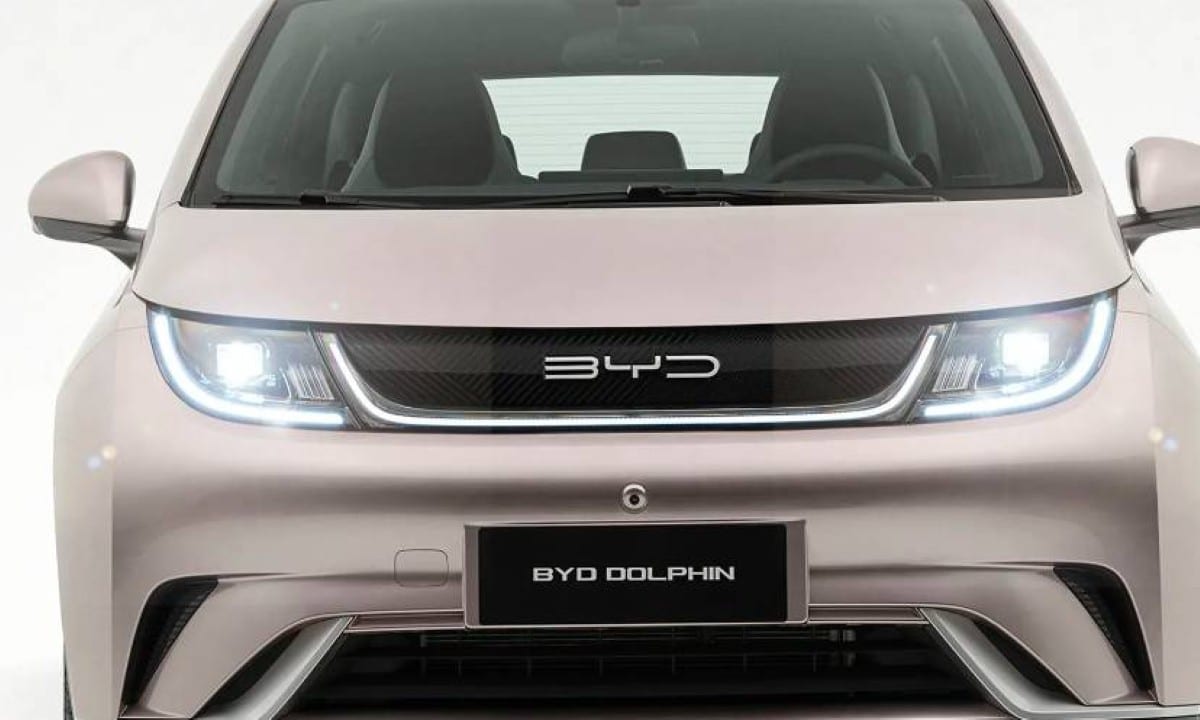
The hatch’s aesthetic follows the visual identity inspired by the oceans, with fluid lines that seek to optimize aerodynamics and maximize internal space. The external design maintains the personality that made it easily recognizable on urban roads, combining modernity with friendly features.
The use of a platform dedicated exclusively to electric vehicles (e-Platform 3.0) allows for a completely flat floor. Essa structural feature frees up legroom for the rear occupants, eliminating the central tunnel that tends to bother the middle passenger in adapted cars.
The generous wheelbase makes it possible to accommodate four adults with greater comfort than that found in combustion models with similar external dimensions. The intelligent distribution of mechanical components favors habitability, creating a feeling of spaciousness in the cabin.
The 345-liter trunk, although compact, meets the needs of weekly shopping and light luggage for short trips. The versatility of the cargo compartment is suitable for the vehicle’s urban purpose, balancing transport capacity with contained external dimensions.
Connectivity and advanced multimedia
From a technological point of view, the multimedia center with a 12.8-inch rotating screen continues to be the center of attention on the dashboard. The system allows you to switch between horizontal and vertical views, facilitating the use of navigation applications such as Waze and Google Maps, which benefit from the portrait mode layout to show more of the route ahead.
Integration with smartphones via Android Auto and Apple CarPlay occurs wirelessly, reinforcing the proposal for total connectivity and reducing visual pollution from cables on the dashboard. The finish uses soft-touch materials in contact areas, creating a perception of quality that surpasses the entry-level segment average.
Expansion of infrastructure and support network
The price maintenance and equipment additions come at a crucial time, when the country’s charging infrastructure begins to expand beyond large urban centers. The brand’s dealership network already exceeds 200 service points, with concrete plans to reach 300 units soon, guaranteeing after-sales support in different regions of the country.
This capillarity is essential to combat consumers’ initial distrust of new brands and ensure the availability of parts and services. With the total or partial exemption from IPVA in several states, the total cost of owning the vehicle becomes even more competitive compared to traditional hatchbacks, accelerating the energy transition of the Brazilian fleet.



