

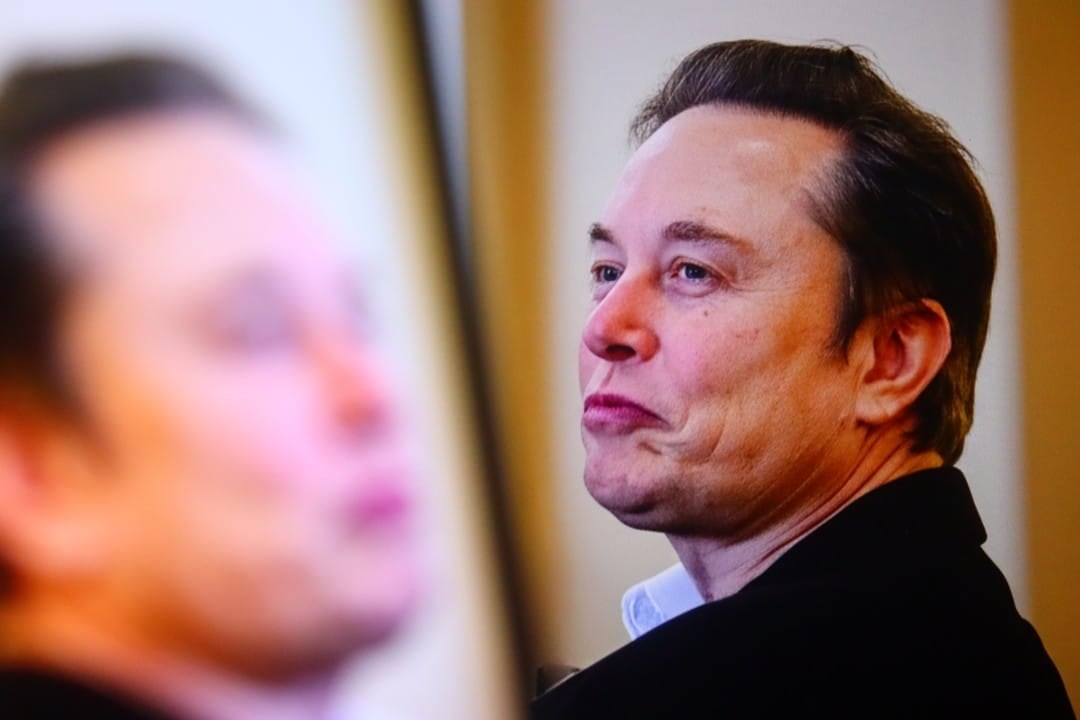
Businessman Elon Musk, founder of SpaceX, announced a significant strategic change in his space exploration plans by prioritizing the construction of urban infrastructure in Lua. The central objective of this new initiative is to establish a satellite management and launch center directly from the lunar soil, taking advantage of lower gravity to optimize the Starlink network. Esta decision comes after the temporary postponement of Marte’s colonization goals, allowing the company to focus on more immediate logistical results on the Terra natural satellite. Especialistas from the aerospace sector indicate that the technical feasibility of this project depends on the continued success of the Starship spacecraft, which are being prepared for heavy-lift missions.
The Musk proposal aims to transform Lua into a fundamental logistics hub for SpaceX’s technological sovereignty in global communications. By launching or managing devices from the lunar surface, the company hopes to drastically reduce the fuel costs and material wear that occur in launches carried out from the Earth’s atmosphere. Além Furthermore, the permanent human presence on site would allow complex maintenance on equipment that is currently only operated remotely.
- Development of pressurized housing for engineers and system operators.
- Installation of high-efficiency solar energy capture plants at the lunar south pole.
- Creation of electromagnetic launch platforms for small satellites.
- Implementation of data processing centers to reduce interplanetary signal latency.
SpaceX’s change of priorities between Marte and Lua
The decision to focus on Lua reflects a pragmatic adaptation to the biological and technical challenges posed by a manned journey to Marte. While Embora remains the ultimate long-term goal for the survival of the human species, Lua offers a much more accessible and safer testing ground. Engenheiros from SpaceX argue that learning how to sustain a city in the lunar environment is a mandatory step before any attempt at colonization on Martian soil.
This transition also responds to pressure from investors seeking to strengthen the Starlink ecosystem, which already dominates a large part of the satellite internet market. Building a fixed base at Lua would allow SpaceX to control a much larger and more precise constellation of satellites, covering areas of Terra that still face connection difficulties. The current schedule predicts that the first robotic structures will begin to be assembled on lunar soil before the end of this decade.

Planned infrastructure for communications management
The core of the lunar city will be composed of automated command centers that will use artificial intelligence to monitor the orbit of thousands of satellites simultaneously. Estes systems will be able to adjust trajectories and correct technical failures without exclusive dependence on ground stations, which often suffer from weather interference. The stability of the lunar environment, despite extreme thermal variations, provides a privileged location for the installation of telescopes and long-range radio antennas.
The logistics to transport the materials necessary for such an undertaking require a frequency of flights unprecedented in the history of space exploration. SpaceX intends to use Starship as a recurring “space elevator,” transporting tons of equipment and supplies on monthly missions. The expectation is that, over time, the base will become self-sufficient in producing oxygen and fuel from ice found in deep lunar craters.
Starship technology as a pillar of the new space city
The success of urban construction in Lua is intrinsically linked to the performance of the Starship rocket, which is the only vehicle currently under development with sufficient payload capacity. The project requires the rocket to perform repetitive vertical landings and takeoffs on lunar soil, something that SpaceX has been testing extensively at its facilities at Texas. Sem this mass transportation capacity, the idea of a functional city would remain solely in the field of scientific theory.
In addition to transporting materials, Starship will also serve as temporary housing for the first workers who will arrive at the satellite to begin the foundations of the housing domes. Estes professionals will have the challenge of operating giant 3D printing machines that will use the lunar regolith itself as raw material to build walls and radiation shields. Este in situ construction method is considered the only viable way to build large structures without depending entirely on inputs coming from Terra.
International partnerships and regulation of lunar soil
The Elon Musk initiative raises complex questions about international space law and the sovereignty of private companies on celestial bodies. Atualmente, Tratados and Espaço Exterior prevent nations from claiming lunar territory, but there are significant legal loopholes when it comes to commercial exploration and the installation of fixed bases by corporations. SpaceX seeks to align its plans with government agencies to ensure that the lunar city operates within a legal framework acceptable to the international community.
Another point of attention is cooperation with other technology companies that are interested in using SpaceX’s infrastructure for their own scientific or commercial purposes. Musk’s business model envisages the sale of server hosting and satellite maintenance services to third parties, transforming the lunar city into a hub for diversified space services. Essa Revenue diversification is seen as essential to finance the maintenance of a continued human presence in such a hostile environment.
Sustainability and survival in a reduced gravity environment
Living in Lua requires extreme technological solutions to guarantee the health of future residents, especially with regard to prolonged exposure to low gravity and solar radiation. The city designed by Musk will feature advanced exercise areas and electromagnetic shielding systems to protect inhabitants during solar storms. The workers’ diet will also be based on hydroponics systems and the production of synthetic proteins within protected laboratories.
Resource recycling will be pushed to the absolute limit, with systems that recover almost 100% of the water and air used within facilities. The idea is for the city to function as a closed ecosystem, minimizing dependence on land-based resupply missions that are expensive and risky. Este level of technological efficiency is not only useful for Lua, but provides precious data that can be applied to resolve resource crises in arid or isolated regions of planet Terra.
Long-term vision for solar system exploration
The construction of the lunar city for satellite management is just the initial phase of a much broader vision of human expansion across the solar system. Musk believes that Lua will act as a natural springboard, where ships can be refueled and launched to more distant destinations, such as Marte or the moons of Júpiter. The space economy generated by this first colony could become the financial engine needed for the next stages of deep exploration.
Even with criticism from sectors that defend a focus on terrestrial problems, SpaceX maintains the argument that multiplanetary is the only way to guarantee the preservation of human consciousness in the face of possible global catastrophes. The city at Lua represents the first concrete and economically viable step in this direction, combining immediate profits with the Starlink network and the dream of a civilization beyond Terra. Monitoring the next Starship test missions will define the speed at which this project will go from paper to becoming a reality in 2030.



