

The Circuito Internacional of Após the first assessments carried out the previous week, pilots and engineers now face three fundamental days of track activities, scheduled between February 18th and 20th. Este period is considered critical for refining aerodynamic packages and for testing the resistance of power units under high desert temperatures.
The season marks an important moment for Brazilian viewers, consolidating the return of the category’s broadcasting rights to Grupo Globo. The change promises to expand fans’ access to the sport, using multiple platforms to cover events. Durante the sessions at Oriente Médio, the public will be able to closely follow the technical innovations implemented by the teams after analyzing the initial data collected in the first tests.
For the Brazilian public, follow-up logistics require attention to the time zone, with activities taking place at specific times. The daily schedule was designed to maximize track time, divided into two main shifts of four hours each. The schedule adjusted to the time of Brasília was defined as follows:
– Início of the first session: 04:00 (ends at 08:00).
– Intervalo for lunch and adjustments in the pits.
– Início of the second session: 09:00 (ends at 13:00).
– Cobertura live focused on the Sportv channels and the Globoplay streaming platform.
Technical strategies and asphalt challenges in Sakhir
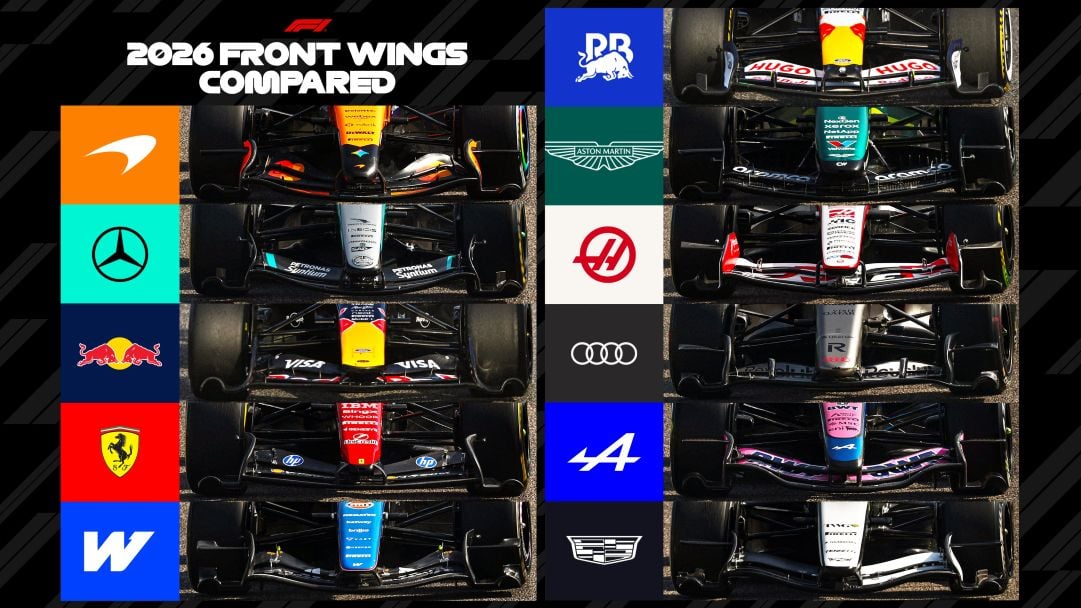
The ten teams on the grid arrive this second week with significant updates to their single-seaters, seeking to change the previously observed performance hierarchy. The Sakhir asphalt, known for its abrasiveness, serves as an ideal laboratory for Pirelli and the teams to understand the behavior of tires in high thermal degradation scenarios. Cada kilometer traveled is vital to prevent mechanical failures that could compromise the first race of the year, which will take place on this same route.
The movement in the pits promises to be intense, with mechanics constantly changing components and adjusting the suspension between the drivers’ exits. Enquanto some teams should focus on qualifying simulations with an empty tank, others will prioritize long sequences of laps to understand the race pace. The balance between pure speed and durability will define who arrives more prepared for the real dispute for points.
Track dynamics and data collection
Morning sessions at With the sun stronger and the track at higher temperatures, the data collected helps to understand the cooling of internal components. This is the time when starting and reserve drivers often alternate control to provide different feedback on drivability.
In the afternoon, the track temperature drops as the sun sets, creating conditions more representative of what will be found in qualifying and the Grande Prêmio race. Muitas teams use the final hours under artificial light to seek fast laps and test the absolute limits of new projects. Clarity in lap times allows analysts and fans to make the first concrete projections about the competitiveness of the grid.
Connection between the track and the factories at Europa
As the cars accelerate on Bahrein, a massive stream of data is transmitted in real time to team headquarters on Europa. Supercomputadores processes this information to verify the correlation between virtual wind tunnel tests and actual performance on asphalt. Caso reality differs from simulations, engineers need to work double shifts to correct design flaws before the official debut.
This technological bridge allows new parts to be manufactured and sent expressly to the circuit in a matter of hours. Fórmula 1’s logistics involve specialized air transport to ensure updates arrive on time. The efficiency of this rapid response process determines which teams will be able to evolve consistently throughout what promises to be an extensive season.
The game of hiding real performance
It is common practice among top teams to hide true potential during testing by using higher fuel loads and conservative engine modes. Esse phenomenon, known in the paddock as “sandbagging”, aims to prevent rivals from copying aerodynamic solutions prematurely. However, GPS data allows competing teams to analyze where each car gains or loses time in corners.
Reliability remains the central pillar of this phase, as any breakdown means losing precious track time that cannot be recovered until official free practice. Diretores Technicians constantly monitor telemetry for anomalies that suggest material fatigue. Success in this preparatory stage directly reflects on the confidence the driver will have when attacking the curbs in search of pole position in the following days.