

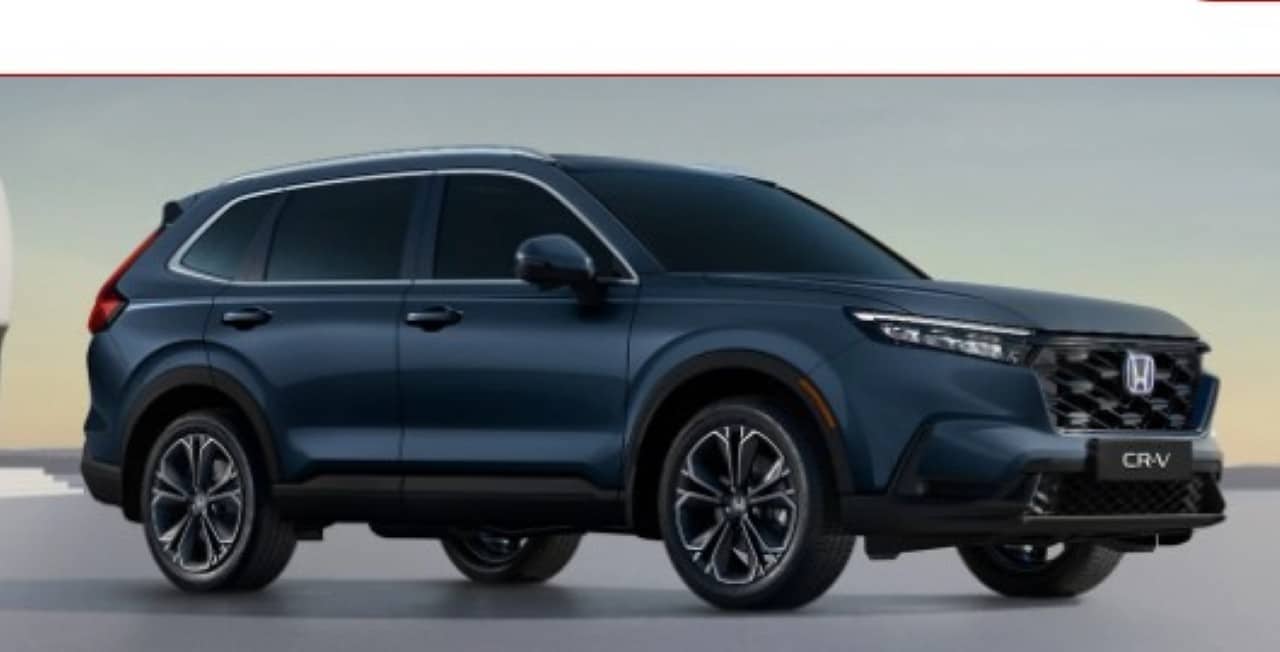
The arrival of the sixth generation of the Japanese sports utility vehicle on the national market reinforces the automaker’s strategy of serving a specific consumer profile, which prioritizes mechanical reliability over aesthetic fads. Posicionado in a price range above R$350,000, the vehicle seeks to consolidate its presence in the premium segment through electrification, maintaining the essence that has built its reputation in recent decades. The bet is on the loyalty of customers who seek to update their previous models with a version that combines visual discretion with significant energy efficiency.
The project moves away from excessively digital or complex interfaces, focusing on functional ergonomics and a refined finish that resembles the handling of medium sedans, despite the high height characteristic of the category. With a low depreciation proposal and proven durability, the model presents itself as a rational choice within a luxury niche, where construction solidity is the main selling point.

Technical specifications and energy efficiency
The heart of this launch lies in its propulsion system, which integrates an Atkinson 2.0 cycle combustion engine with electric units, delivering a combined power of 184 hp. Esta configuration allows acceleration from 0 to 100 km/h in approximately 8.5 seconds, figures that guarantee agility both in urban sprints and on highway restarts. Energy management is done automatically, switching between driving modes to maximize performance.
The consumption and autonomy data are the main technical highlights of the model:
– Consumption in the urban cycle exceeds the 19.0 km/l mark when operated in economical mode.
– Total autonomy is estimated at around 850 kilometers on a single tank of gasoline.
– The immediate torque of the electric motors, around 34 kgfm, facilitates the movement of the vehicle’s more than 1,800 kg.
– The energy regeneration system acts efficiently during deceleration, reducing the need to use conventional braking.
Driving dynamics and sound insulation
The engineering applied to the chassis resulted in a vehicle that minimizes body roll during curves, an atypical behavior for vehicles with high ground clearance. All-wheel drive works on demand, ensuring grip and safety on low-friction or slightly uneven surfaces. The suspension setup has been calibrated to filter out imperfections in the asphalt, providing a silent and stable driving experience.
In road environments, improved acoustic insulation prevents noise from the combustion engine from invading the cabin, even when it acts as a generator of energy for the batteries. Já In urban traffic, the predominance of the use of the electric motor transforms driving into a less stressful activity, with smooth responses and the absence of mechanical vibrations, characteristics valued by the target family audience.
Internal comfort and use of space
The interior was designed to expand the feeling of space, using large glass areas and a panoramic sunroof that promotes natural lighting. The 2.70 meter wheelbase was optimized to offer ample legroom for rear seat occupants, who also have backrest tilt adjustment. The trunk, with a capacity of 580 liters and a flat floor, makes it easy to load bulky luggage.
Convenience details, such as the opening of the trunk lid using a presence sensor and front seats with electrical adjustments and memory, raise the standard of comfort. The finish uses soft-touch materials and light colors, creating a “lounge” atmosphere. Connectivity is ensured by a 10.2-inch screen and smartphone mirroring, although the focus remains on intuitive functionality rather than operational complexity.
Active security and market positioning
The available version has a comprehensive driving assistance package, including adaptive cruise control and lane keeping assistant, which act in a less intrusive way than in direct competitors. Passive safety is reinforced by 10 airbags and a programmed deformation structure that has achieved top marks in international crash tests. Faróis adaptive full LED and head-up display complement the technological resources aimed at protecting occupants.
By opting for a single and complete version, the brand simplifies the purchase and future resale process, a crucial factor in maintaining the car’s residual value. The strategy focuses on consumers who prefer the security of globally tested and approved technology, rather than taking risks on innovations from manufacturers newly arriving on the market. The versatility to face both the chaotic traffic of metropolises and long journeys consolidates the model as a reference of robustness and sober sophistication.



