


Stellantis finalizes preparations for a significant update to its portfolio of national sports utility vehicles, with the debut of the 2027 line scheduled to reach dealerships in April. The central focus of this renewal is the implementation of the 48-volt Bio-Hybrid technology, produced in the Polo Automotivo of
The model will maintain the renowned 1.3 turbo flex engine, capable of generating up to 185 hp (with ethanol) and 176 hp (in the standard measurement mentioned), associated with the six-speed automatic transmission. The big news lies in the integration of an auxiliary electrical system that promises to optimize fuel consumption and the vehicle’s response in urban situations.
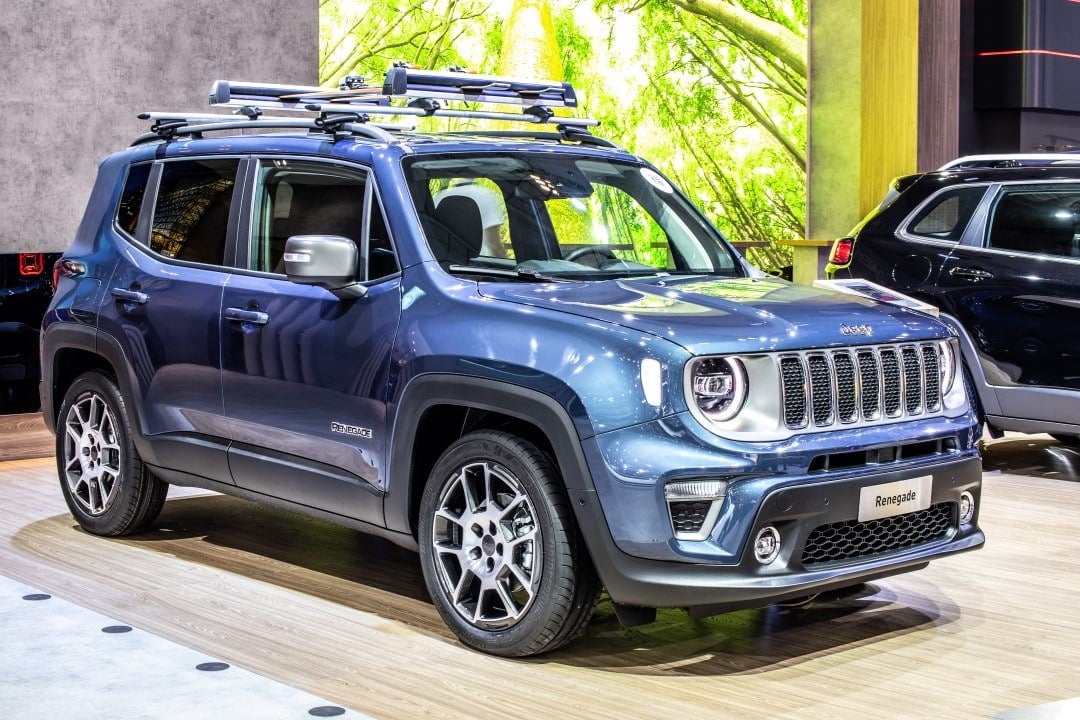
The test units, camouflaged, are already circulating on Brazilian highways, validating the latest calibration parameters before the official launch. The automaker’s strategy reinforces its commitment to the gradual decarbonization of the fleet, using an engineering solution that balances cost and benefit for the South American market.
Operation of the Bio-Hybrid system
The mild hybrid technology (MHEV) adopted by the brand does not require external recharging at sockets, operating autonomously through energy regeneration during braking and deceleration. The system replaces the conventional alternator and starter motor with a belt-driven electric generator connected to a low-voltage auxiliary battery.
This additional electric motor, with an estimated power of around 28 hp, acts to assist the combustion engine in moments of greater torque demand, such as when starting off and regaining speed. Além to alleviate the effort of the thermal engine, the technology allows electronic systems and air conditioning to remain active even when the vehicle enters Start-Stop mode, ensuring comfort and silence during traffic stops.
Aesthetic renovation and internal finishing
To accompany the mechanical evolution, the sports utility vehicle will receive discreet but effective visual updates, designed to maintain the model’s youthful appeal without detracting from its robust identity. The front grille, a trademark of the Jeep, will undergo a redesign, as will the front and rear bumpers, which gain more modern and aerodynamic lines.
The optical assembly will also be revised, with new internal arrangements for the headlights and taillights with updated graphics, providing an unprecedented light signature. The light alloy wheels will receive new designs exclusive to each version, differentiating the hybrid configurations from the purely combustion options.
Inside, the influence of the “big brother”, the Jeep Compass, becomes evident in the choice of materials and the arrangement of controls. The highlight is the new 10.1-inch floating multimedia center, which offers better resolution, faster processing and improved wireless connectivity for smartphones, raising the technological standard of the cabin.
Distribution of versions and equipment
The 2027 range will be restructured to meet different consumer profiles, maintaining five main finishing options in the catalogue. The intermediate and top-of-the-line versions, specifically Altitude, Longitude and Sahara, will benefit from the introduction of the 48V mild hybrid system, focusing on audiences seeking greater energy efficiency.
The entry configuration, called Sport, will remain equipped exclusively with the conventional 1.3 turbo flex engine, without electrification. Esta strategic decision aims to maintain a competitive initial price for fleet owners and consumers who prioritize acquisition cost over long-term fuel savings.
For off-road enthusiasts, the Willys version will maintain its adventurous vocation unchanged. Esta configuration will continue to offer 4×4 traction and a nine-speed automatic transmission, prioritizing the ability to overcome difficult terrain and mechanical robustness, without the assistance of the hybrid system at this time.
The arrival of these new configurations allows the dealership network to reorganize its stocks and prepare sales campaigns focused on technology. The expectation is that the sales mix will gradually migrate towards electrified versions, as the Brazilian consumer adapts to new propulsion technologies.
Strategic positioning in the national market
The launch comes at a crucial time for Stellantis, which seeks to consolidate its leadership in the compact SUV segment in the face of the arrival of new Chinese and European competitors. With a solid monthly average of registrations, the model produced in Goiana is a key piece in maintaining the brand’s market share in Brasil. The update also serves to position the vehicle more clearly in relation to the future Jeep Avenger and the consolidated Compass, creating a well-defined product ladder in terms of price and technological content.



