
New directive from Square Enix points to the end of exclusivity at the end of the Final Fantasy VII trilogy

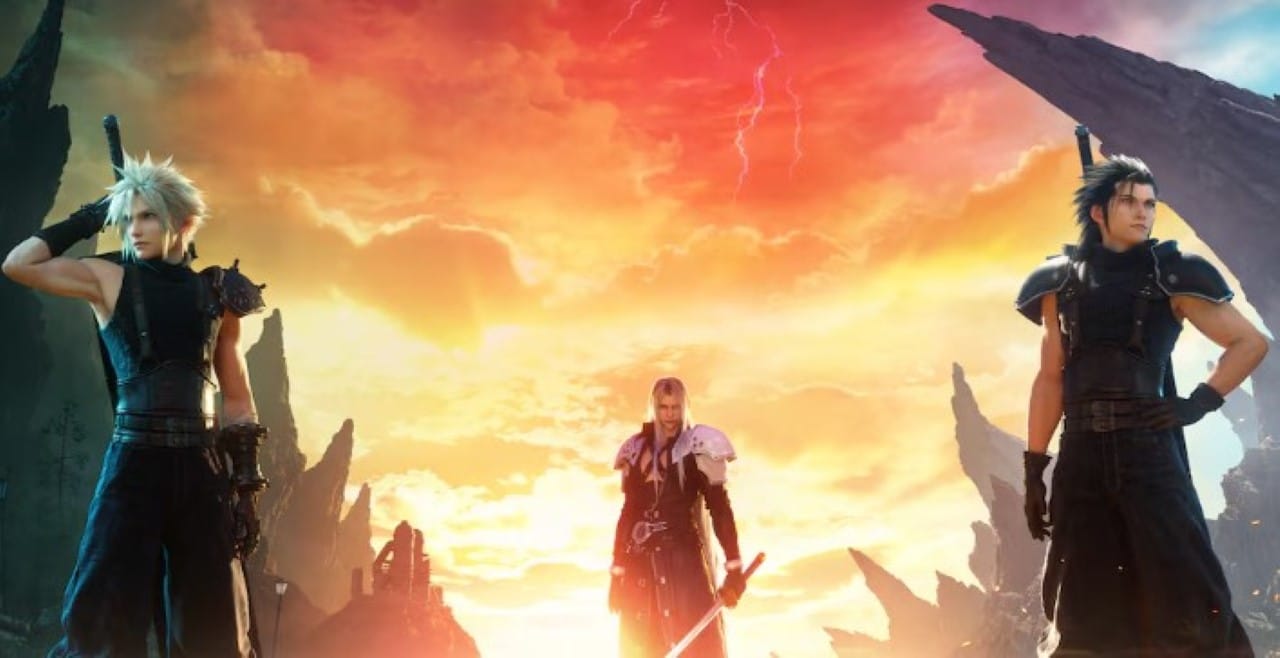
The electronic games industry is observing a significant strategic move on the part of Square Enix, which should redefine the launch of the third and final part of the Final Fantasy VII recreation project. Informações Recent industry reports indicate that the Japanese developer plans to abandon the temporary exclusivity model with Sony, adopted in previous titles. The objective is to make the final chapter of the trilogy available simultaneously for PlayStation, Xbox and PC, breaking with the tradition established in the first two games in the remade series.
This change in planning aims to maximize the financial return of one of the most expensive franchises in video game history. Enquanto predecessors, Remake and Rebirth, were restricted to Sony consoles during their initial launch windows, the new approach seeks to reach the entire consumer public from day one. The decision reflects the need to cover the rising costs of producing AAA titles, ensuring that the product reaches its maximum revenue potential without the barriers imposed by platform exclusivity.
Adaptation to new market demands
The trilogy’s launch history highlights the evolution and erosion of the exclusive partnership model in the face of new economic realities. The first game arrived on PlayStation 4 in 2020, remaining restricted for a long period, while the second chapter, released in February 2024, was exclusive to PlayStation 5. While exclusivity guarantees marketing support and initial financial injection from the console manufacturer, market data suggests that it acts as a long-term sales limiter, especially when the installed hardware base does not grow at the same speed as development costs.
Analysts point out that staggered launches, where other platforms receive the game months or years later, dilute the impact of initial engagement and reduce sales conversion. Para the conclusion of the saga, the intention is to capitalize on the moment of greatest public interest, converting expectations into immediate sales across all ecosystems, including the vast computer market and the Microsoft user base. Fatores how the stagnation in sales of table consoles in certain territories and pressure from investors for robust fiscal results drive this change in guidance.
Technology and team continuity
The production of the third chapter is progressing at an accelerated pace, directly benefiting from the technological base established in Final Fantasy VII Rebirth. The development team, led by veterans like Tetsuya Nomura and Yoshinori Kitase, maintains the fundamental world structure and combat systems, which allows for a complete focus on storytelling and polishing the final experience. The continued use of Unreal Engine facilitates adaptation to multiple hardware, reducing the technical risks associated with a simultaneous release on different architectures.
The end of the saga promises to tie up the loose ends left by previous games and offer definitive answers about the fate of Cloud Strife and his allies. The narrative, which at key moments diverges from the original 1997 game, has created an atmosphere of mystery that attracts both veterans and new players. The possibility of experiencing this conclusion without the obligation to purchase a specific console becomes a powerful attraction, democratizing access to a significant cultural event in digital entertainment.
The community is now awaiting official confirmation, which should occur during major events on the gaming calendar. The absence of exclusive logos in future promotional materials will be the definitive sign of this new era for the franchise. With optimization for PC allowing superior visual settings to consoles, Square Enix seems determined to deliver the final chapter wherever the player is, prioritizing the project’s accessibility and commercial sustainability.



