

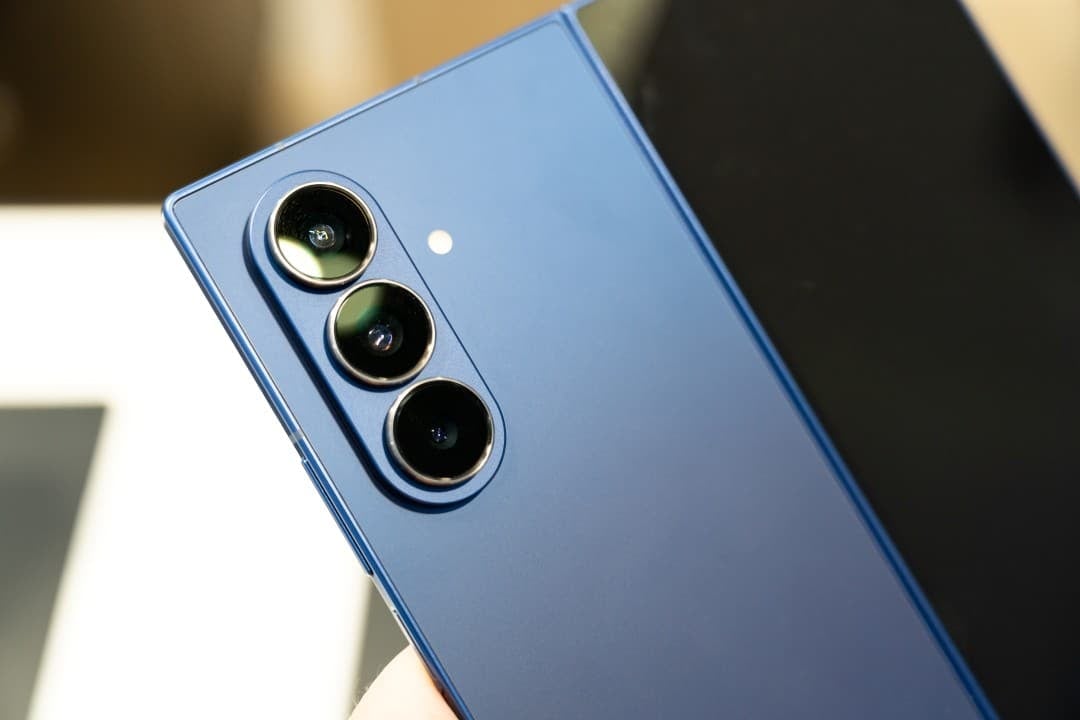
The technological landscape of 2026 consolidates a clear divide in the mobile device market, where photographic capability has established itself as the main game changer between product categories. Embora mid-range devices have achieved satisfactory levels of general performance and battery life, the search for excellence in image capture continues to direct a significant portion of consumers towards top-of-the-line models. Análises market share indicates that users willing to invest in flagships are not just looking for raw processing specifications, but rather the optical versatility that only advanced camera sets can provide.
Industry experts point out that the technical gap between segments has become more evident with the popularization of specialized lenses. Enquanto More affordable devices deliver competent results in ideal lighting situations, premium models go further by offering robust solutions for complex scenarios. The presence of exclusive hardware components in these devices directly influences the purchasing decision of photography enthusiasts and content creators who need reliable tools in their pocket.

Asian and South Korean manufacturers are in a fierce race for leadership in this regard, introducing innovations that try to replicate the physics of professional cameras in compact bodies. The big brands’ strategy focuses on transforming the smartphone into the only camera needed by most users, justifying the high price through convenience and superior image quality.
Technical differences of premium sensors
The internal architecture of the most expensive Android smartphones of 2026 favors the use of image sensors with enlarged physical dimensions. Essa characteristic is fundamental to the final quality of the photograph, as larger sensors are able to capture more light and information, resulting in files with greater dynamic range and a lower incidence of digital noise. Optical physics favors these components, allowing the main lenses to work with apertures that generate a natural background blur, aesthetically superior to the bokeh effect artificially generated by software in simpler models.
In contrast, the intermediate segment still faces physical barriers to implementing these technologies. Space and cost limitations prevent the adoption of more sophisticated camera modules, restricting versatility at varying focal lengths. High-quality optical zoom, for example, remains a scarce feature outside the premium category, where the absence of periscopic lenses forces the user to rely on digital magnifications that degrade the image.
Specific features mark the superiority of current tops of the line:
– 200 MP Sensores equipped with telephoto lenses, seen on devices such as the Xiaomi 15 Ultra and the Vivo X200 Pro, allow aggressive cropping without loss of sharpness.
– The ability to record video in 8K resolution with advanced optical stabilization offers fluidity that smaller sensors cannot match.
– Processadores dedicated image signals utilize artificial intelligence to optimize colors, textures and lighting in real time during capture.
– Modos of real macro focus and personalized color profiles deliver a user experience close to that of dedicated equipment.
The relevance of optical zoom and periscopic lenses
Telephoto lenses have become a major battleground for manufacturers in 2026. The ability to bring distant objects five times or more closer, while maintaining the integrity of details, is often cited as a determining factor for updating devices. Marcas like Vivo and Oppo have invested heavily in periscopic modules that utilize prisms to accommodate long focal lengths within the limited thickness of the phones.
This technology enables sharp captures of architectural elements, sporting events and wildlife, scenes where mid-range digital zoom consistently fails. Mesmo competent models in the mid-range segment, such as the Realme 16 Pro Plus, find it difficult to compete with the optical clarity offered by flagships when the approach exceeds the 3x barrier. The difference in grain and edge definition is noticeable even on mobile device screens.
In addition to getting closer, these lenses are essential for portrait photography. The perspective compression generated by focal lengths equivalent to 75mm or 120mm favors the representation of human faces, avoiding the distortions caused by common wide-angle lenses. The combination of cutting-edge optical hardware and mechanical stabilization ensures that these photos come out sharp even with natural hand shake.
Performance in low light scenarios
Nighttime and indoor photography in mixed lighting remains the biggest challenge for digital sensors, and it’s where premium smartphones shine the most. Refined Algoritmos work together with the large capture area of the sensors to balance lights and shadows. The Samsung Galaxy S25 Ultra, for example, demonstrates the ability to preserve details in dark areas without blowing out the light spots, a complex task that requires high computational power.
While midranges have evolved capable night modes, they often suffer from extreme dynamic range limitations. In urban landscapes at dusk, it is common for cheaper devices to lose information in the sky or present washed textures in an attempt to reduce noise. The fusion of multiple exposures occurs more quickly and efficiently at the top of the line, ensuring consistency in results.
Prominence of market-leading models
The 2026 market features strong competitors that illustrate the state of the art in mobile photography. The Xiaomi 15 Ultra has been praised for its one-inch main sensor, which offers natural depth of field and vibrant colors. Sua high-resolution telephoto lens allows for framing flexibility that few competitors can match, making it a powerful tool for street photographers.
Another highlight is the Vivo X200 Pro, which maintains a partnership with Zeiss to develop lenses that minimize reflections and chromatic aberrations. This device’s automatic focus in low light conditions is considered a reference, as are its portrait modes that simulate classic photography lenses. Já o Oppo Find X9 Pro focuses on video quality, with stabilization systems that rival action cameras.
In the field of computational photography, the Google Pixel 10 Pro follows a distinct philosophy, prioritizing software processing to deliver realistic images. Mesmo Without the most extravagant hardware on the market, its HDR algorithms and skin treatment keep the device among the favorites of purists. The Samsung Galaxy S25 Ultra, in turn, offers the most complete and versatile package, with a set of four cameras that covers practically all the needs of a common or advanced user.
Unique software as a barrier to entry
In addition to hardware, manufacturers use software resources as a way to segregate their product lines. Ferramentas Advanced editing, color profiles signed by legendary brands like the Leica, and cinematic capture modes are often reserved for the most expensive models. The Google, for example, implements cloud-based features, like the Video Boost, which require external processing to improve video quality, something not available for its “a” line models.
Assisted modes like “Action Pan” or real-time compositing trainers help less experienced users achieve professional-looking results. The absence of these functionalities in intermediaries limits creative potential and forces the user to depend more on third-party applications. Guaranteed extended software updates also ensure that flagship cameras receive improvements and new features for years to come, maintaining the long-term value of the investment.



